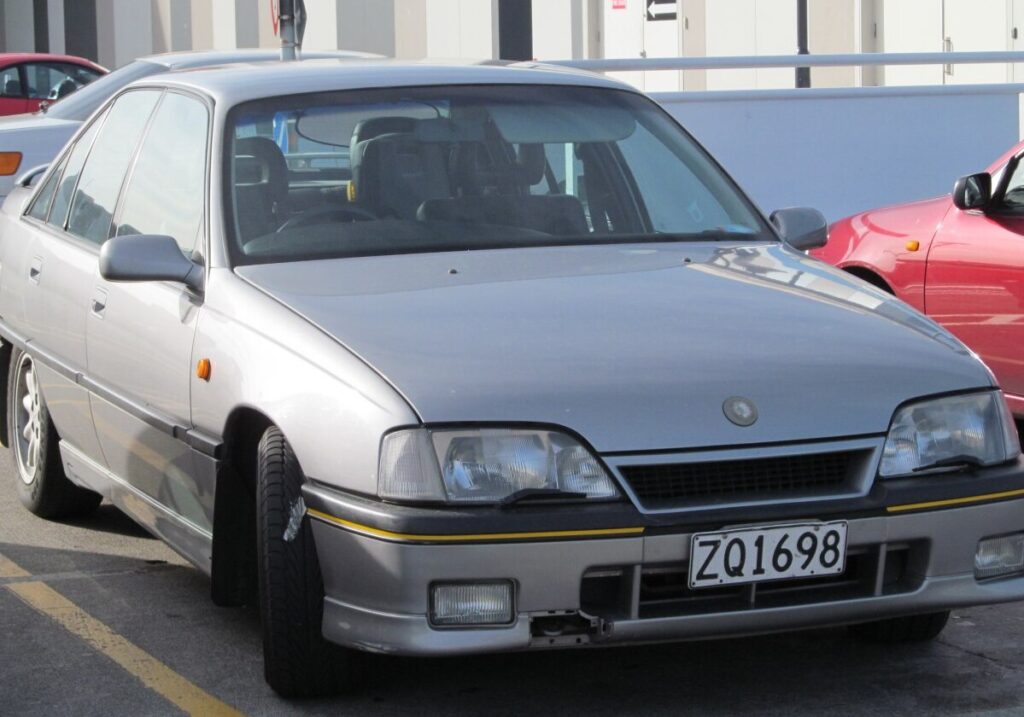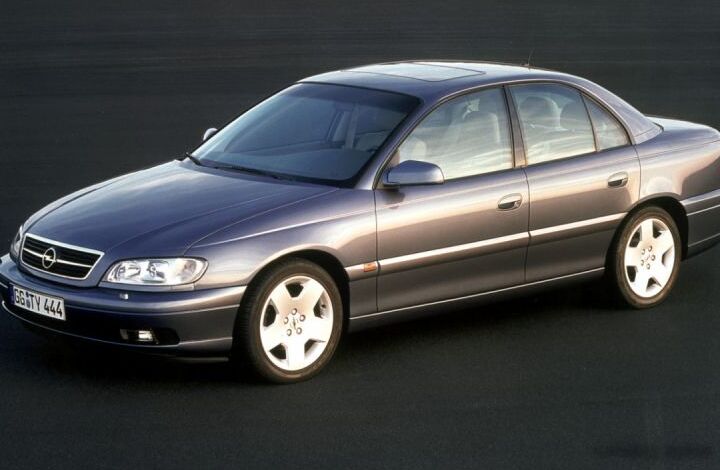
The Opel Omega B (facelift, introduced in 1999) 2.2 DTI, producing 120 horsepower, was a mid-range offering within the Omega B lineup, positioned between the lower-powered gasoline engines and the more potent V6 variants. Production of this specific diesel configuration ran from October 2000 to June 2003. The Omega B, built on the GM Epsilon platform (internally designated as 1HX0/A3), represented Opel’s flagship sedan, aiming to provide a spacious, comfortable, and technologically advanced vehicle for the executive and family car markets. The 2.2 DTI model aimed to balance fuel efficiency with acceptable performance for long-distance cruising and everyday driving.
Opel Omega B 2.2 DTI: Powertrain & Engine Architecture
The heart of the Omega B 2.2 DTI is the Y22DTH engine, a 2.2-liter inline four-cylinder diesel. This engine is a direct injection diesel, utilizing a common rail fuel injection system. This system, a significant advancement over older diesel technologies, allowed for more precise fuel delivery, resulting in improved combustion efficiency, reduced noise, and lower emissions. The engine boasts a displacement of 2171 cm³ (132.48 cubic inches) with a bore of 84 mm (3.31 inches) and a stroke of 98 mm (3.86 inches). It features a compression ratio of 18.5:1 and four valves per cylinder, operated by an overhead camshaft (OHC) valvetrain. A turbocharger is employed to increase power output, delivering 120 hp at 4000 rpm and 280 Nm (206.52 lb-ft) of torque at 1600 rpm.
The Omega B 2.2 DTI was exclusively offered with a five-speed manual transmission. This transmission was chosen to maximize fuel economy and provide a more engaging driving experience compared to an automatic option, which was not available with this engine. The drivetrain is rear-wheel drive, a configuration that contributed to the Omega’s balanced handling characteristics.
Fuel Injection and Turbocharging
The common rail direct injection system used in the Y22DTH engine operates at extremely high pressures, atomizing the fuel into a fine mist for optimal combustion. This system allows for multiple injection events per combustion cycle, further refining the combustion process. The turbocharger, a variable geometry turbocharger (VGT), is crucial for boosting power and torque. The VGT technology allows the turbine vanes to adjust, optimizing airflow to the engine across a wider range of engine speeds, minimizing turbo lag and improving responsiveness.
Driving Characteristics
The Opel Omega B 2.2 DTI offered a comfortable and refined driving experience, prioritizing fuel efficiency and relaxed cruising over outright performance. Acceleration from 0 to 100 km/h (0-62 mph) takes approximately 12.5 seconds, while reaching 0 to 60 mph takes around 11.9 seconds. The maximum speed is rated at 240 km/h (149.13 mph). While not a sports sedan, the 280 Nm of torque available from 1600 rpm provides sufficient power for overtaking maneuvers and maintaining comfortable speeds on the highway. The rear-wheel-drive configuration contributes to balanced handling, although it doesn’t offer the same level of grip as all-wheel-drive systems.
Compared to the higher-output V6 gasoline engines available in the Omega B range, the 2.2 DTI felt noticeably slower in acceleration. However, it offered significantly better fuel economy. Compared to the 2.0-liter gasoline engines, the 2.2 DTI provided more torque, making it more effortless to drive in everyday situations, especially when carrying passengers or cargo. The five-speed manual transmission was well-matched to the engine’s characteristics, providing smooth gear changes and allowing the driver to keep the engine in its optimal power band.
Equipment & Trim Levels
The Omega B 2.2 DTI typically came equipped with a respectable level of standard features, reflecting its position as a mid-range model. Standard equipment generally included power windows, central locking, power steering, ABS (Anti-lock Braking System), and a basic audio system. Interior upholstery was typically cloth, although leather options were available as upgrades. The dashboard layout was functional and straightforward, with clear instrumentation. Optional extras included air conditioning, a sunroof, upgraded audio systems, and alloy wheels. Specific trim levels varied depending on the market, but generally offered progressively more luxurious features and cosmetic enhancements.
Chassis & Braking
The Omega B 2.2 DTI utilized a coil spring suspension system for both the front and rear axles. The front suspension featured independent coil springs, while the rear suspension employed a semi-independent coil spring setup. This suspension configuration provided a comfortable ride quality, absorbing bumps and imperfections in the road surface effectively. The braking system consisted of ventilated discs on the front wheels and solid discs on the rear wheels. The ABS system helped to prevent wheel lockup during hard braking, enhancing safety and control. The steering system was a hydraulic power steering system, providing light and precise steering feel.
Market Reception & Comparison
The Opel Omega B 2.2 DTI was generally well-received by automotive critics as a practical and fuel-efficient option within the Omega B range. It was praised for its comfortable ride, spacious interior, and respectable fuel economy. Fuel consumption figures were approximately 9.6 l/100 km (24.5 US mpg) in urban driving, 5.6 l/100 km (42 US mpg) on the extra-urban cycle, and 7.1 l/100 km (33.1 US mpg) combined. CO2 emissions were rated at 192 g/km. Compared to the gasoline-powered Omega B models, the 2.2 DTI offered significantly better fuel economy, making it a popular choice for drivers who covered long distances. However, it was criticized for its relatively modest performance compared to the V6 variants. Reliability was generally good, although, like all diesel engines, it required regular maintenance to ensure optimal performance and longevity.
Technical Specifications
| Engine Model/Code | Y22DTH |
| Engine Displacement | 2171 cm³ (132.48 cu. in.) |
| Number of Cylinders | 4, Inline |
| Power | 120 Hp @ 4000 rpm |
| Torque | 280 Nm @ 1600 rpm (206.52 lb.-ft. @ 1600 rpm) |
| Fuel Type | Diesel |
| Fuel Injection System | Diesel Commonrail |
| Compression Ratio | 18.5:1 |
| Engine Oil Capacity | 5.5 l (5.81 US qt | 4.84 UK qt) |
| Coolant Capacity | 7.9 l (8.35 US qt | 6.95 UK qt) |
| Kerb Weight | 1670 kg (3681.72 lbs.) |
| Max. Weight | 2145 kg (4728.92 lbs.) |
| Trunk (boot) Space – minimum | 530 l (18.72 cu. ft.) |
| Trunk (boot) Space – maximum | 830 l (29.31 cu. ft.) |
| Fuel Tank Capacity | 75 l (19.81 US gal | 16.5 UK gal) |
| Acceleration 0 – 100 km/h | 12.5 sec |
| Acceleration 0 – 62 mph | 12.5 sec |
| Maximum Speed | 240 km/h (149.13 mph) |
| Transmission | 5-speed manual |
| Drive Wheels | Rear Wheel Drive |
Legacy
The Opel Omega B 2.2 DTI powertrain, while not known for being particularly groundbreaking, proved to be a reliable and durable unit when properly maintained. The Y22DTH engine, in particular, gained a reputation for longevity, with many examples exceeding high mileage. In the used car market today, Omega B 2.2 DTI models are relatively affordable and represent a good value for those seeking a spacious, comfortable, and fuel-efficient sedan. However, potential buyers should be aware of the age of these vehicles and the potential for wear and tear on components such as the turbocharger and fuel injection system. Regular servicing and preventative maintenance are crucial to ensure the continued reliability of these vehicles.