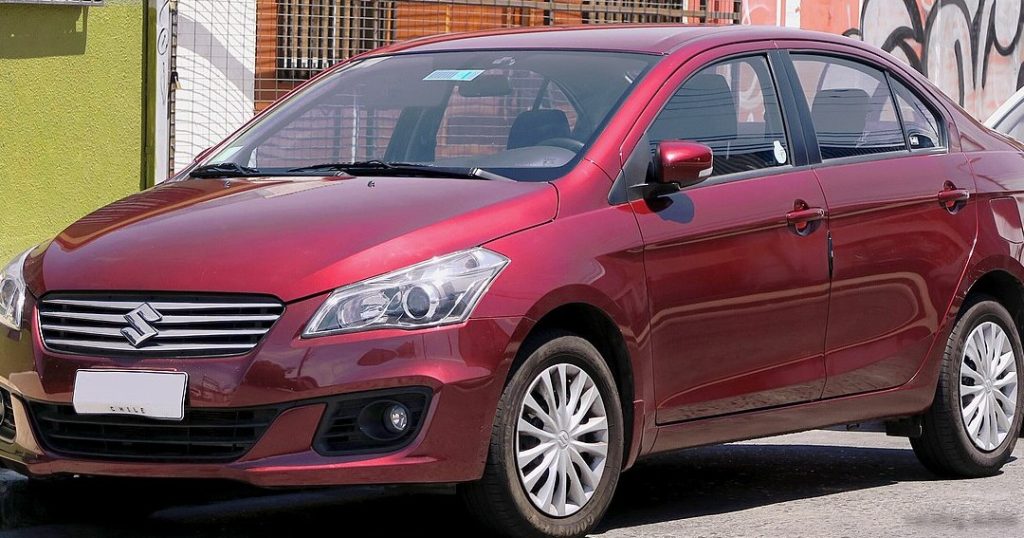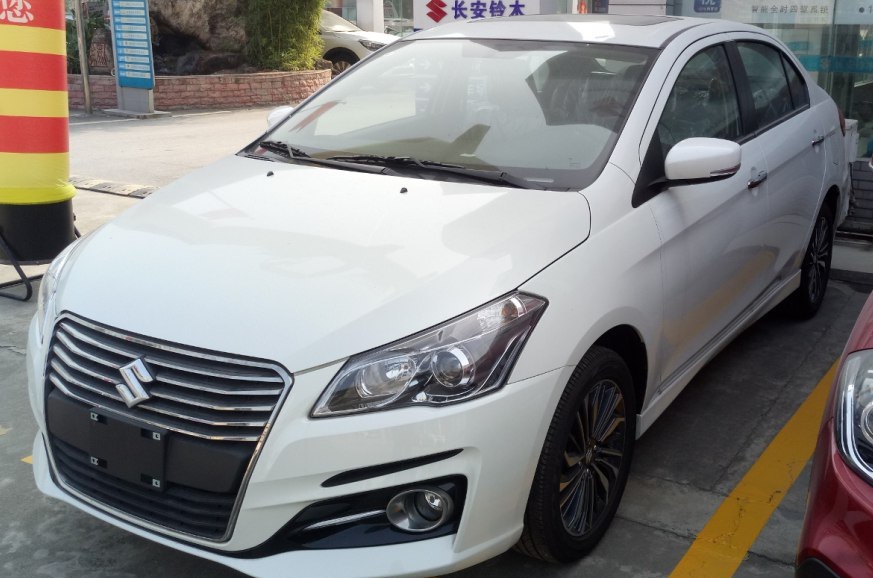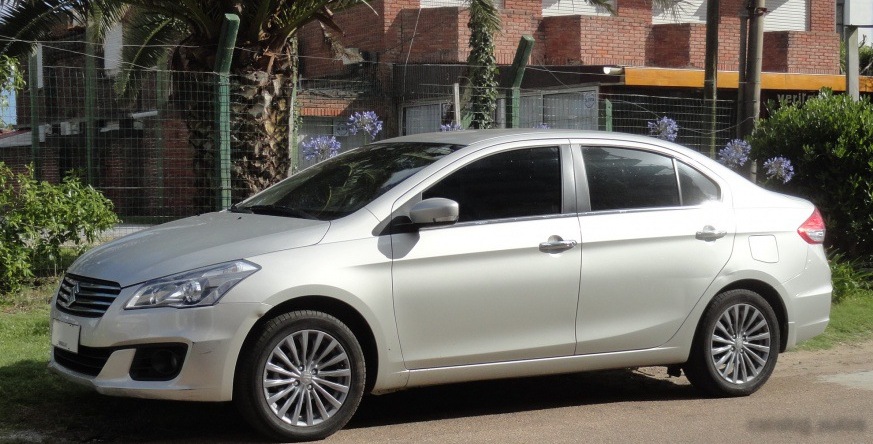
The Suzuki Ciaz 1.4 (92 hp) Automatic, produced between 2014 and 2017, represented the entry-level powertrain option for the second-generation Ciaz sedan. Positioned as an affordable and fuel-efficient choice within the Ciaz lineup, it catered to buyers prioritizing practicality and ease of use over outright performance. The Ciaz itself was a significant model for Suzuki, designed to compete in the increasingly popular compact sedan segment, particularly in markets like India and Southeast Asia. This variant was built on Suzuki’s platform, offering a comfortable ride and a spacious interior for its class.
Powertrain & Engine Architecture
At the heart of the Ciaz 1.4 Automatic lies the K14B engine, a 1.4-liter (1373 cm3 or 83.79 cu. in.) inline-four cylinder gasoline engine. This engine is characterized by its naturally aspirated design and multi-point fuel injection system. The K14B produces a maximum power output of 92 hp (67 hp/liter) at 6000 rpm and 130 Nm (95.88 lb-ft) of torque at 4000 rpm. The engine features a compression ratio of 11:1 and utilizes a variable valve timing (VVT) system to optimize efficiency and power delivery across the rev range.
The engine is transversely mounted in the front of the vehicle. The automatic transmission paired with the K14B is a conventional four-speed unit. While not offering the sophistication of more modern transmissions with a greater number of gears, it provided smooth and predictable shifts, contributing to the Ciaz’s ease of driving. The transmission’s gear ratios were tuned for fuel economy and comfortable cruising rather than sporty acceleration. Engine oil capacity is 3.1 liters (3.28 US qt / 2.73 UK qt), and coolant capacity is 4.7 liters (4.97 US qt / 4.14 UK qt).
Engine Code & Specifics
The K14B engine code is central to understanding this variant. It’s a Suzuki-designed engine known for its reliability and relatively simple maintenance requirements. The four-speed automatic transmission, while not a performance-oriented unit, was a common choice in this segment during the Ciaz’s production years. It prioritized smooth operation and affordability over advanced features like manual shift modes or a large number of gears.
Driving Characteristics
The Ciaz 1.4 Automatic offered a comfortable and predictable driving experience. Acceleration was adequate for everyday driving situations, but it wasn’t particularly quick. The four-speed automatic transmission, while smooth, meant that the engine often operated at higher RPMs during highway cruising, potentially impacting fuel economy. The weight-to-power ratio of 11.1 kg/hp and a weight-to-torque ratio of 7.8 kg/Nm reflect the car’s modest performance capabilities. Compared to potential higher-output variants (which were not widely available in all markets), the 1.4L automatic traded performance for fuel efficiency and a lower price point.
The gear ratios were optimized for city driving and relaxed highway cruising. First gear provided sufficient torque for starting from a standstill, while the higher gears allowed for comfortable long-distance travel. However, overtaking maneuvers required careful planning, as the engine lacked the substantial power reserves of larger displacement engines. The suspension, tuned for comfort, absorbed bumps and imperfections in the road well, contributing to a pleasant ride quality.
Equipment & Trim Levels
The Ciaz 1.4 Automatic typically came equipped with a reasonable level of standard features, reflecting its position as an entry-level trim. Standard equipment generally included air conditioning, power windows, power steering, and a basic audio system. Interior upholstery was typically cloth, and the dashboard featured a functional, if somewhat basic, design. Safety features included ABS (Anti-lock Braking System) as standard.
Optional extras varied depending on the market but could include alloy wheels, a more advanced audio system with Bluetooth connectivity, a rear parking sensor, and keyless entry. Higher trim levels, if available, added features like automatic climate control, leather upholstery, and a touchscreen infotainment system. The focus of this particular variant was on providing essential features at an affordable price.
Chassis & Braking
The Ciaz 1.4 Automatic utilized an independent McPherson strut suspension system at the front, providing a comfortable ride and decent handling characteristics. The rear suspension employed an independent torsion beam setup, which was a cost-effective solution that offered a good balance between ride comfort and handling. The front brakes were ventilated discs, providing adequate stopping power, while the rear brakes were drums. This configuration was typical for vehicles in this price range during the Ciaz’s production period.
The steering system was a power-assisted rack and pinion setup, offering light and easy steering feel. Tire sizes varied depending on the trim level, with 185/65 R15 and 195/55 R16 being common options. Wheel rim sizes were correspondingly 15 and 16 inches. The ride height (ground clearance) was 160 mm (6.3 inches), providing sufficient clearance for navigating typical road conditions.
Market Reception & Comparison
The Suzuki Ciaz 1.4 Automatic was generally well-received by critics as a practical and affordable sedan. It was praised for its spacious interior, comfortable ride, and fuel efficiency. However, it was also criticized for its relatively modest performance and the simplicity of its four-speed automatic transmission. Compared to other trims in the Ciaz lineup, the 1.4 Automatic offered the most affordable entry point but sacrificed some performance and features.
In terms of fuel economy, the 1.4 Automatic performed competitively within its segment. Reliability was generally good, with the K14B engine proving to be a durable and dependable unit. However, the four-speed automatic transmission was considered less sophisticated than the continuously variable transmissions (CVTs) or six-speed automatics found in some competing models. Overall, the Ciaz 1.4 Automatic represented a sensible choice for buyers prioritizing value and practicality.
Technical Specifications
| Engine Model/Code | K14B |
| Engine Displacement | 1373 cm3 (83.79 cu. in.) |
| Number of Cylinders | 4, Inline |
| Cylinder Bore | 73 mm (2.87 in.) |
| Piston Stroke | 82 mm (3.23 in.) |
| Compression Ratio | 11:1 |
| Number of Valves per Cylinder | 4 |
| Fuel Injection System | Multi-port manifold injection |
| Engine Aspiration | Naturally aspirated |
| Max Power | 92 hp @ 6000 rpm |
| Max Torque | 130 Nm (95.88 lb-ft) @ 4000 rpm |
| Engine Oil Capacity | 3.1 l (3.28 US qt / 2.73 UK qt) |
| Coolant Capacity | 4.7 l (4.97 US qt / 4.14 UK qt) |
| Kerb Weight | 1020-1040 kg (2248.72 – 2292.81 lbs.) |
| Max Weight | 1500 kg (3306.93 lbs.) |
| Trunk (Boot) Space | 495-510 l (17.48 – 18.01 cu. ft.) |
| Fuel Tank Capacity | 43 l (11.36 US gal / 9.46 UK gal) |
| Length | 4490 mm (176.77 in.) |
| Width | 1730 mm (68.11 in.) |
| Height | 1475 mm (58.07 in.) |
| Wheelbase | 2650 mm (104.33 in.) |
| Transmission | 4-speed Automatic |
| Drive Type | Front Wheel Drive |
| Front Brakes | Ventilated Discs |
| Rear Brakes | Drum |
Legacy
The Suzuki Ciaz 1.4 Automatic, while not a performance icon, has proven to be a reliable and durable vehicle in the used car market. The K14B engine is known for its longevity, and the four-speed automatic transmission, while simple, is generally dependable. Maintenance costs are relatively low, making it an attractive option for budget-conscious buyers. Today, these vehicles can be found in good condition with reasonable mileage, offering a practical and affordable transportation solution. The Ciaz, in general, helped establish Suzuki as a significant player in the compact sedan segment, and the 1.4 Automatic variant played a key role in making the model accessible to a wider range of customers.