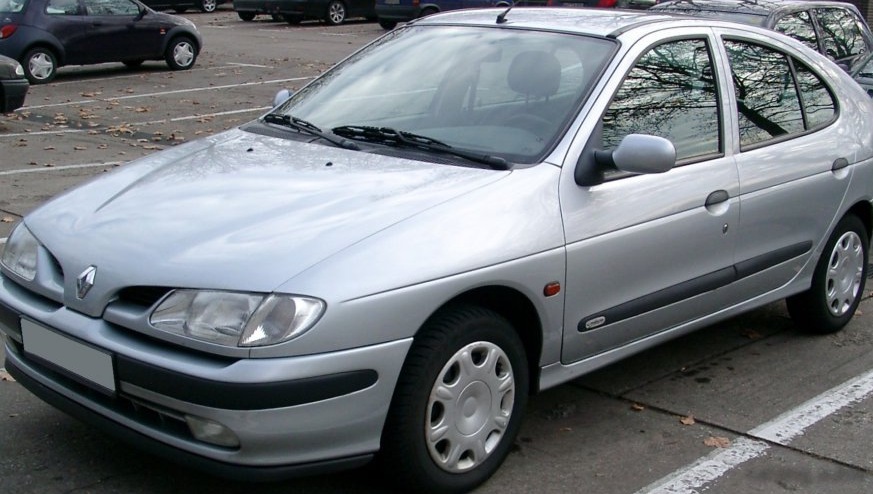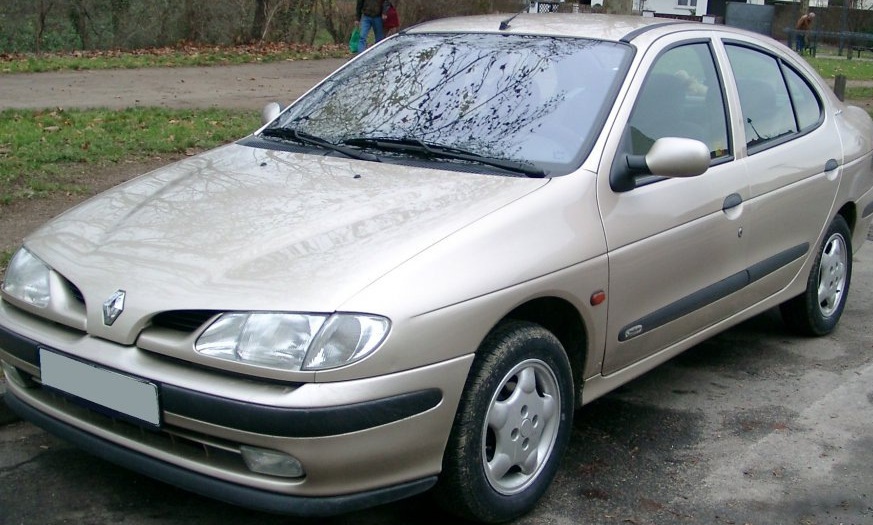
The Renault Megane I Classic (LA) 2.0i Automatic, produced from 1998 to 1999, represented a mid-range offering within the first generation Megane sedan lineup. Positioned above the base 1.4 and 1.6-liter models, it provided a step up in performance and refinement while remaining more accessible than the later, sportier variants. The “Classic” designation denoted the traditional sedan body style, differentiating it from the hatchback and coupe versions available in the Megane I range. This model was built on the 1HX0 platform, shared with other Renault and Nissan vehicles of the era, and aimed to provide a comfortable and practical family car with a touch of French flair.
Powertrain & Engine Architecture
The heart of the Megane I Classic 2.0i Automatic was the Renault F3R engine, a 1998cc (121.93 cu. in.) inline four-cylinder gasoline engine. This engine was a mainstay of Renault’s lineup during the 1990s and early 2000s, known for its relative reliability and straightforward design. The F3R featured a cast iron block and an aluminum cylinder head, employing a single overhead camshaft (OHC) valvetrain with two valves per cylinder. Fuel delivery was managed by a multi-port fuel injection system, providing a balance between efficiency and performance. The engine produced 109 horsepower (hp) at 5400 rpm and 168 Newton-meters (123.91 lb-ft) of torque at 4250 rpm.
Paired with the F3R engine was a four-speed automatic transmission. This transmission, while providing convenience, was not known for its particularly sporty character or fuel efficiency. It was a conventional hydraulic automatic, lacking the electronic controls found in more modern transmissions. The gear ratios were tuned for comfortable cruising rather than rapid acceleration, prioritizing smooth shifts over outright performance. The automatic transmission contributed to a slightly heavier vehicle weight and a slower 0-60 mph time compared to the manual transmission equipped models.
Engine Specifications
Key engine specifications included a compression ratio of 9.7:1 and a bore and stroke of 82.7 mm (3.26 in) and 93 mm (3.66 in) respectively. The engine required 6 liters (6.34 US qt | 5.28 UK qt) of engine oil, specified to Renault’s standards for the period, and 7 liters (7.4 US qt | 6.16 UK qt) of coolant. The engine was transversely mounted in the front of the vehicle, driving the front wheels.
Driving Characteristics
The driving experience in the Megane I Classic 2.0i Automatic was characterized by smooth, if not particularly exhilarating, performance. The 109 hp engine provided adequate power for everyday driving, but acceleration was noticeably slower than the more powerful versions of the Megane I. The 0-100 km/h (0-62 mph) sprint took approximately 10.9 seconds, and 0-60 mph was achieved in around 10.4 seconds. The four-speed automatic transmission contributed to a relaxed driving style, with gear changes being relatively smooth but lacking the responsiveness of a manual gearbox. The automatic transmission also tended to hold onto gears longer, prioritizing fuel economy over maximizing engine power.
Compared to the five-speed manual transmission version of the 2.0i, the automatic suffered a slight performance penalty. The manual offered quicker acceleration and a more engaging driving experience. However, the automatic appealed to drivers seeking convenience and ease of use, particularly in urban environments. Compared to the lower-displacement engines (1.4 and 1.6), the 2.0i Automatic offered a significant improvement in performance, making it a more suitable choice for long journeys and carrying a full load of passengers.
Equipment & Trim Levels
The Megane I Classic 2.0i Automatic typically came equipped with a reasonable level of standard features for its time. These included power steering, central locking, electric front windows, and an AM/FM radio. Interior upholstery was typically cloth, with a relatively simple dashboard layout. Air conditioning was often an optional extra, as were features like alloy wheels and a sunroof. The trim level varied slightly depending on the market, but generally, the 2.0i Automatic represented a step up in terms of comfort and convenience compared to the base models.
Optional extras could significantly enhance the vehicle’s appeal. Upgraded audio systems, including cassette players and even early CD players, were available. Metallic paint finishes were also an option, adding a touch of sophistication to the exterior. Some models were equipped with rear electric windows and a more comprehensive trip computer, providing additional information to the driver.
Chassis & Braking
The Megane I Classic 2.0i Automatic featured an independent coil spring suspension at the front, providing a comfortable ride and reasonable handling. The rear suspension utilized a torsion beam setup, which was a cost-effective solution for maintaining ride quality while minimizing complexity. The front brakes were ventilated discs, offering good stopping power, while the rear brakes were drum brakes. This combination was typical for vehicles in this class during the late 1990s.
The car was equipped with an Anti-lock Braking System (ABS) as a standard safety feature, enhancing braking performance and stability, particularly on slippery surfaces. The steering was a rack and pinion system with electric power assistance, providing a light and responsive feel. Tire size was typically 185/60 R14, mounted on 14-inch steel wheels, although alloy wheels were available as an option.
Market Reception & Comparison
The Renault Megane I Classic 2.0i Automatic received generally positive reviews from automotive critics. It was praised for its comfortable ride, spacious interior, and relatively refined engine. However, the automatic transmission was often criticized for its lack of responsiveness and its impact on fuel economy. Compared to rivals like the Ford Focus, Opel/Vauxhall Astra, and Peugeot 306, the Megane offered a distinctive French design and a comfortable driving experience.
Fuel economy was a mixed bag. Combined fuel consumption was around 8.4 l/100 km (28 US mpg, 33.6 UK mpg), which was reasonable for the time but not class-leading. Reliability was generally good, although the automatic transmission could be prone to issues if not properly maintained. The 2.0i engine proved to be durable and relatively trouble-free, making it a popular choice among buyers.
Technical Specifications
| Brand | Renault |
| Model | Megane |
| Generation | Megane I Classic (LA) |
| Type (Engine) | 2.0i (109 Hp) Automatic |
| Start of production | 1998 |
| End of production | 1999 |
| Body type | Sedan |
| Seats | 5 |
| Doors | 4 |
| Fuel consumption (urban) | 11.7 l/100 km (20.1 US mpg) |
| Fuel consumption (extra urban) | 6.5 l/100 km (36.2 US mpg) |
| Fuel consumption (combined) | 8.4 l/100 km (28 US mpg) |
| CO2 emissions | 198 g/km |
| Fuel Type | Petrol (Gasoline) |
| Acceleration 0 – 100 km/h | 10.9 sec |
| Acceleration 0 – 62 mph | 10.9 sec |
| Acceleration 0 – 60 mph | 10.4 sec |
| Maximum speed | 191 km/h (118.68 mph) |
| Weight-to-power ratio | 10.4 kg/Hp |
| Power | 109 Hp @ 5400 rpm |
| Torque | 168 Nm @ 4250 rpm (123.91 lb.-ft. @ 4250 rpm) |
| Engine layout | Front, Transverse |
| Engine Model/Code | F3R |
| Engine displacement | 1998 cm3 (121.93 cu. in.) |
| Number of cylinders | 4 |
| Engine configuration | Inline |
| Cylinder Bore | 82.7 mm (3.26 in.) |
| Piston Stroke | 93 mm (3.66 in.) |
| Compression ratio | 9.7:1 |
| Number of valves per cylinder | 2 |
| Fuel injection system | Multi-port manifold injection |
| Engine oil capacity | 6 l (6.34 US qt | 5.28 UK qt) |
| Coolant | 7 l (7.4 US qt | 6.16 UK qt) |
| Kerb Weight | 1130 kg (2491.22 lbs.) |
| Max. weight | 1700 kg (3747.86 lbs.) |
| Trunk (boot) space | 510 l (18.01 cu. ft.) |
| Fuel tank capacity | 60 l (15.85 US gal | 13.2 UK gal) |
| Number of gears and type of gearbox | 4 gears, automatic transmission |
| Front brakes | Ventilated discs |
| Rear brakes | Drum |
| Tires size | 185/60 R14 |
Legacy
The Renault Megane I Classic 2.0i Automatic, while not a particularly rare or sought-after model today, holds a place in automotive history as a representative of the late 1990s family sedan. The F3R engine, when properly maintained, proved to be a durable and reliable unit. However, the automatic transmission can be a potential source of issues for owners, requiring regular servicing and careful driving. In the used car market, these models are typically affordable and offer a comfortable, if somewhat uninspiring, driving experience. They appeal to buyers seeking a practical and reliable car for everyday use, rather than enthusiasts looking for performance or prestige.
The Megane I Classic 2.0i Automatic paved the way for subsequent generations of the Megane, which have become increasingly sophisticated and popular. It represents a transitional period in Renault’s history, bridging the gap between older, more traditional designs and the more modern and innovative vehicles that followed.