
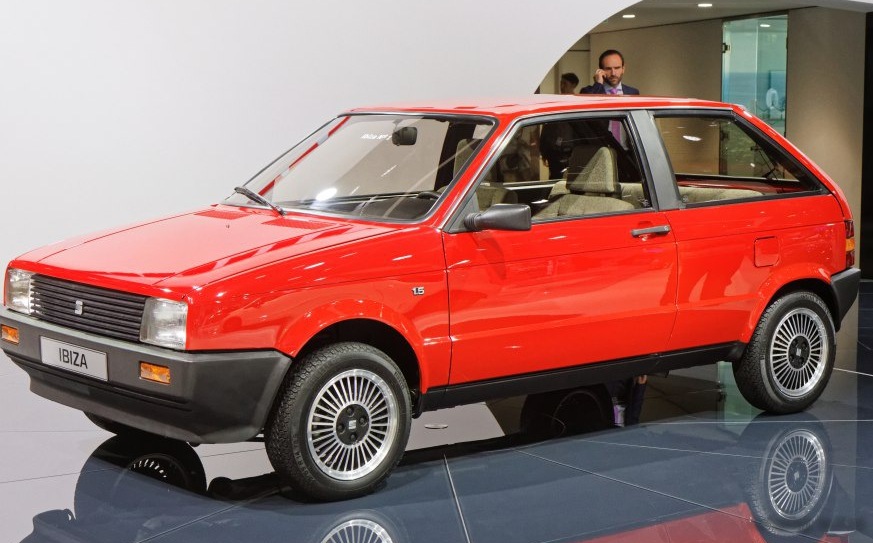
The Seat Ibiza I 1.7 D, produced from 1984 to 1993, represented the entry-level diesel offering within the first generation (Mk1) Ibiza range. Positioned as the most economical variant, it catered to buyers prioritizing fuel efficiency and low running costs over outright performance. The Ibiza I, based on the Volkswagen Polo Mk2 platform (internally designated 1HX0/A3), was Seat’s first foray into front-wheel-drive vehicles and marked a significant departure from their previous rear-wheel-drive models. The 1.7 D served as a practical and affordable option in a market increasingly demanding smaller, fuel-conscious cars.
Powertrain & Engine Architecture
The heart of the Ibiza 1.7 D is the 022A5 diesel engine, a naturally aspirated, inline-four cylinder unit displacing 1714 cc (104.59 cubic inches). This engine, derived from Volkswagen’s diesel technology of the period, utilizes a precombustion chamber injection system. This system, common in early diesel engines, involves injecting fuel into a small precombustion chamber connected to the main cylinder, where it ignites and then ignites the main fuel charge. This design aids in cold starting and smoother combustion. The engine produces 54 horsepower at 4500 rpm and 98 Nm (72.28 lb-ft) of torque at 3000 rpm. It features a relatively low compression ratio of 20:1 and 2 valves per cylinder. The engine’s oil capacity is 4.4 liters (4.65 US quarts / 3.87 UK quarts) and requires a specification appropriate for diesel engines of the era.
Transmission
The Ibiza 1.7 D was exclusively offered with a 5-speed manual transmission. This gearbox was chosen to maximize fuel economy and provide adequate gearing for the engine’s limited power output. The transmission is a standard front-wheel-drive configuration, delivering power to the front wheels. There was no automatic transmission option available for this specific engine and trim level.
Driving Characteristics
The driving experience in the Ibiza 1.7 D is characterized by its modest performance. Acceleration from 0 to 100 km/h (0-62 mph) takes approximately 18.9 seconds, and reaching a top speed of 148 km/h (91.96 mph) requires a long stretch of road. The engine’s torque is relatively low, meaning that spirited acceleration requires frequent gear changes. Compared to the gasoline-powered Ibiza variants, the 1.7 D offers significantly less power but a noticeable improvement in fuel economy. The 5-speed manual transmission helps to keep the engine within its optimal operating range, but the overall driving experience is best described as utilitarian rather than sporty. The gear ratios are geared towards maximizing fuel efficiency, with taller gearing in higher gears.
Equipment & Trim Levels
The Ibiza 1.7 D was typically the base trim level, focusing on affordability and practicality. Standard equipment was relatively sparse, reflecting its position in the lineup. Interior upholstery was typically a durable cloth material, and the dashboard featured a simple, functional design. Features like power windows and central locking were generally not standard, though they could be added as optional extras. The Ibiza 1.7 D often featured basic steel wheels with hubcaps. Optional extras included upgraded audio systems, different interior trim colors, and occasionally, more comfortable seating. The focus was on providing a basic, reliable mode of transportation.
Chassis & Braking
The Ibiza 1.7 D utilizes a relatively simple chassis design. Front suspension consists of spring struts, while the rear suspension also employs spring struts. The front brakes are disc brakes, providing adequate stopping power for the vehicle’s weight and performance. However, the rear brakes are drum brakes, a cost-saving measure common in entry-level vehicles of the time. The steering system is a steering rack and pinion, offering reasonable precision. The vehicle’s curb weight of 950 kg (2094.39 lbs) contributes to its relatively nimble handling, despite the limited power output. Tire size was typically 165/65 SR14.
Market Reception & Comparison
The Seat Ibiza 1.7 D was generally well-received as an economical and reliable small car. Critics praised its fuel efficiency, particularly in comparison to gasoline-powered alternatives. However, its lack of power and relatively basic equipment levels were often noted. Compared to other trims in the Ibiza lineup, such as the 1.5 gasoline model, the 1.7 D offered significantly lower performance but superior fuel economy. Against competitors like the Renault 5 Diesel and Peugeot 205 Diesel, the Ibiza 1.7 D held its own in terms of fuel efficiency and reliability. The 1.7 D appealed to buyers who prioritized practicality and low running costs over driving excitement.
Technical Specifications
| Brand | Seat |
| Model | Ibiza |
| Generation | Ibiza I |
| Type (Engine) | 1.7 D (54 Hp) |
| Start of production | 1984 |
| End of production | 1993 |
| Engine Displacement | 1714 cm3 (104.59 cu. in.) |
| Number of Cylinders | 4, Inline |
| Power | 54 Hp @ 4500 rpm |
| Torque | 98 Nm @ 3000 rpm (72.28 lb.-ft. @ 3000 rpm) |
| Fuel Type | Diesel |
| Fuel Consumption (Urban) | 7.9 l/100 km (29.8 US mpg, 35.8 UK mpg, 12.7 km/l) |
| Fuel Consumption (Extra Urban) | 5 l/100 km (47 US mpg, 56.5 UK mpg, 20 km/l) |
| Fuel Consumption (Combined) | 6 l/100 km (39.2 US mpg, 47.1 UK mpg, 16.7 km/l) |
| Acceleration 0-100 km/h | 18.9 sec |
| Maximum Speed | 148 km/h (91.96 mph) |
| Kerb Weight | 950 kg (2094.39 lbs) |
| Max. Weight | 1450 kg (3196.7 lbs) |
| Fuel Tank Capacity | 50 l (13.21 US gal, 11 UK gal) |
| Engine Code | 022A5 |
| Transmission | 5-speed Manual |
Legacy
The Seat Ibiza I 1.7 D, while not a performance icon, proved to be a durable and reliable vehicle. The 022A5 diesel engine, though relatively simple by modern standards, is known for its longevity when properly maintained. Today, examples of the Ibiza 1.7 D are becoming increasingly rare, and well-preserved models are sought after by classic car enthusiasts. The powertrain’s simplicity makes it relatively easy to maintain and repair, appealing to those who enjoy working on older vehicles. While not particularly valuable, the Ibiza 1.7 D represents a significant chapter in Seat’s history, marking their transition to front-wheel-drive and establishing them as a competitor in the small car market. Its reputation for fuel economy and reliability continues to resonate with owners and enthusiasts alike.
