
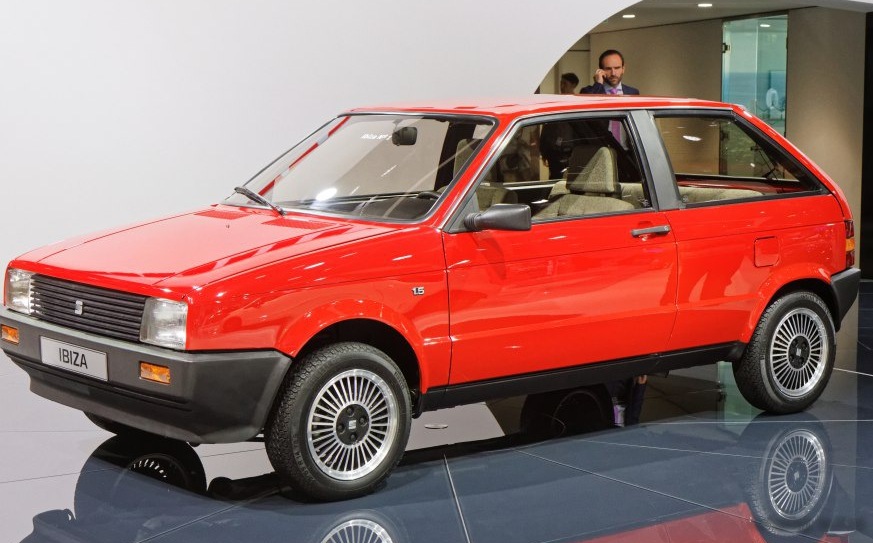
The Seat Ibiza I 1.7 D, produced between 1990 and 1993, represented the entry-level diesel offering within the first generation Ibiza (Ibiza I) range, designated internally as the Mk1. This variant, powered by the 138A5 engine, was positioned as the most economical and accessible model in the lineup, targeting buyers prioritizing fuel efficiency and low running costs over outright performance. The Ibiza Mk1, launched in 1984, was a significant model for SEAT, representing the company’s first front-wheel-drive vehicle and a departure from its traditionally rear-wheel-drive offerings. The 1.7 D played a crucial role in establishing the Ibiza as a popular choice in the European small car segment.
The 1.7 D Engine and its Role in the Ibiza I Lineup
The 1.7 D variant occupied the base trim level of the Ibiza I. Above it sat the 1.5 gasoline engine, and later, more powerful diesel options were introduced. The 1.7 D was specifically aimed at buyers for whom fuel economy was paramount. It was often chosen by fleet operators, delivery drivers, and individuals seeking a reliable and inexpensive mode of transportation. Compared to the gasoline-powered Ibizas, the 1.7 D offered significantly better fuel consumption, albeit at the expense of acceleration and top speed. The diesel engine also appealed to those who preferred the durability and longevity typically associated with diesel powertrains.
Powertrain & Engine Architecture
The heart of the Ibiza I 1.7 D is the 138A5 engine, a naturally aspirated, inline-four cylinder diesel engine displacing 1,718 cc (104.8 cubic inches). This engine is a relatively simple design, utilizing indirect injection. Indirect injection diesel engines inject fuel into a pre-chamber where it partially combusts before entering the main combustion chamber. This method results in quieter operation and reduced engine knock compared to direct injection systems of the time, but at the cost of some efficiency. The engine features a cast iron block and cylinder head, contributing to its robustness and longevity. The valvetrain consists of a single overhead camshaft (SOHC) operating two valves per cylinder. The engine’s output is 57 horsepower (42.5 kW) at 4,200 rpm and 86 lb-ft (117 Nm) of torque at 2,200 rpm. The engine is paired with a four or five-speed manual transmission, as an automatic transmission was not offered with this engine configuration. The fuel injection system is a Bosch mechanical system, relying on a distributor-type pump to deliver fuel to the pre-chambers. The engine is naturally aspirated, meaning it does not utilize a turbocharger or supercharger to increase power.
Driving Characteristics
The driving experience in the Ibiza I 1.7 D is characterized by its modest performance. Acceleration is slow, particularly when fully loaded or climbing hills. The engine requires frequent gear changes to maintain momentum, and its peak torque is relatively low in the rev range. However, the engine is remarkably tractable and provides sufficient power for everyday driving in urban and rural environments. The four or five-speed manual transmission is relatively light and easy to operate, although the shift quality can feel somewhat notchy compared to more modern gearboxes. The Ibiza I’s suspension, while simple, provides a comfortable ride, absorbing bumps and imperfections in the road surface reasonably well. The steering is light and responsive, making the car easy to maneuver in tight spaces. Compared to the 1.5 gasoline version, the 1.7 D offers significantly more low-end torque, making it easier to pull away from a standstill and navigate hilly terrain. However, the gasoline engine provides noticeably quicker acceleration and a higher top speed.
Equipment & Trim Levels
The Ibiza I 1.7 D was typically offered in a basic trim level, reflecting its position as the entry-level model. Standard equipment generally included cloth upholstery, a basic dashboard with analog gauges, and steel wheels with hubcaps. Power steering and central locking were often optional extras. The interior was functional and utilitarian, prioritizing durability over luxury. The seats were relatively simple in design, providing adequate support for short to medium-length journeys. The dashboard layout was straightforward, with clearly labeled controls for the essential functions. Optional extras included a radio cassette player, electric front windows, and upgraded interior trim. Later models may have featured minor cosmetic enhancements, such as revised dashboard graphics or updated seat fabrics. The 3-door and 5-door body styles were available, with the 5-door offering increased practicality for families.
Chassis & Braking
The Ibiza I 1.7 D utilizes a front-wheel-drive layout with a MacPherson strut suspension at the front and a torsion beam suspension at the rear. The torsion beam suspension is a simple and cost-effective design that provides adequate ride comfort and handling characteristics for everyday driving. The steering is a rack-and-pinion system, providing precise and responsive steering feel. The braking system consists of disc brakes at the front and drum brakes at the rear. The brakes are adequate for the car’s weight and performance, but they lack the stopping power of more modern braking systems. The 1.7 D variant typically featured smaller diameter wheels and tires compared to the higher-spec models, further contributing to its focus on fuel efficiency and affordability. Stabilizer bars were often omitted or smaller in diameter on the base models to reduce cost.
Market Reception & Comparison
The Seat Ibiza I 1.7 D received generally positive reviews for its fuel economy, reliability, and low running costs. Critics praised its practicality and ease of driving, making it a popular choice for urban commuters and first-time car buyers. However, the engine’s lack of power was often cited as a drawback, particularly for those who frequently drove on motorways or carried heavy loads. Compared to other small cars of the era, such as the Peugeot 205 and the Renault 5, the Ibiza I 1.7 D offered a competitive level of fuel efficiency and practicality. However, it lacked the sporty handling characteristics of the Peugeot 205 and the stylish design of the Renault 5. Within the Ibiza I range, the 1.7 D was significantly more economical than the 1.5 gasoline engine, but it offered considerably less performance. The later introduction of turbocharged diesel engines provided a compromise between fuel efficiency and performance, appealing to a wider range of buyers.
Technical Specifications
| Engine Code | 138A5 |
| Engine Type | Inline-Four Cylinder Diesel |
| Displacement | 1,718 cc (104.8 cu in) |
| Power | 57 hp (42.5 kW) @ 4,200 rpm |
| Torque | 86 lb-ft (117 Nm) @ 2,200 rpm |
| Fuel Injection | Bosch Mechanical Indirect Injection |
| Valvetrain | SOHC, 2 Valves per Cylinder |
| Compression Ratio | 23.5:1 |
| Fuel Tank Capacity | 50 liters (13.21 US gal) |
| Engine Oil Capacity | 5 liters (5.28 US qt) |
| Coolant Capacity | 8.9 liters (9.4 US qt) |
| Transmission | 4 or 5-Speed Manual |
| Brakes (Front) | Disc |
| Brakes (Rear) | Drum |
Legacy
The Seat Ibiza I 1.7 D powertrain, while not known for its performance, has proven to be remarkably durable and reliable. Many examples are still on the road today, testament to the robust construction of the engine and the simplicity of its design. In the used car market, the 1.7 D variant is often sought after by those looking for an inexpensive and reliable classic car. Maintenance costs are relatively low, and spare parts are generally readily available. However, potential buyers should be aware of the potential for age-related issues, such as corrosion and wear and tear on suspension components. The 1.7 D engine, despite its modest output, laid the foundation for SEAT’s success in the small car segment and helped establish the Ibiza as a popular and respected model. It remains a popular choice for enthusiasts and those seeking a simple, economical, and reliable mode of transportation.
