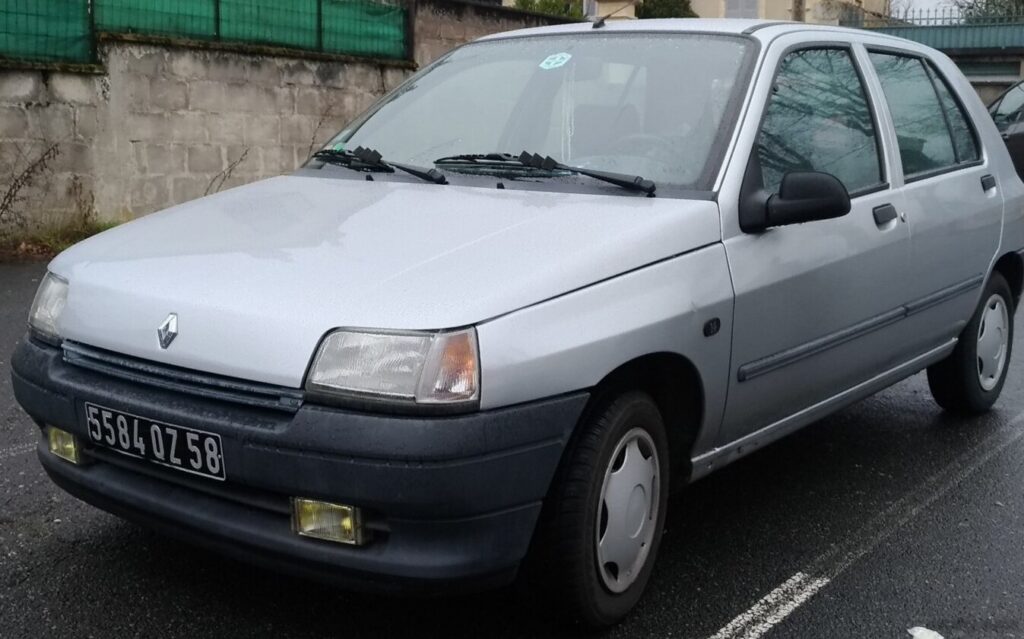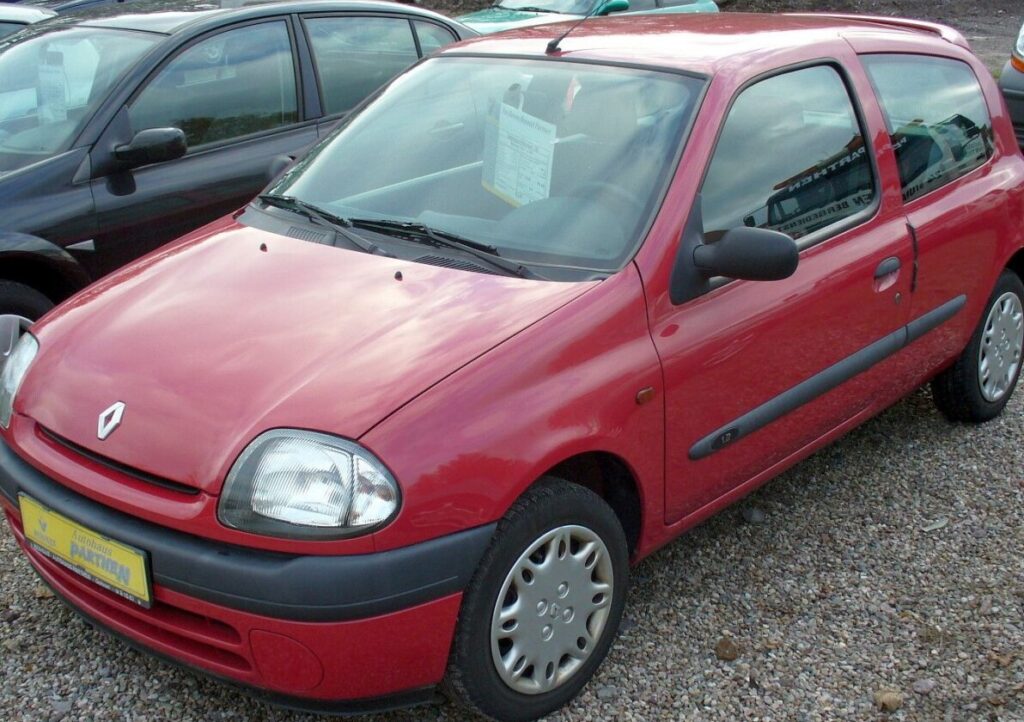
The Renault Clio II (Phase I) 1.6 Automatic, produced between 1998 and 2000, represented an entry-level to mid-range offering within the broader Clio II range. This three-door hatchback combined a 1.6-liter gasoline engine with a four-speed automatic transmission, targeting buyers seeking convenience and affordability in a compact package. The Clio II, designated internally as the X6J/S98 platform, was a significant step forward for Renault, offering improved styling, safety, and interior space compared to its predecessor. The 1.6 Automatic variant specifically aimed at drivers prioritizing ease of use over outright performance, and was positioned below the sportier 1.8 16V and diesel-powered variants in the lineup.
Renault Clio II (Phase I) 1.6 Automatic: Overview
The Phase I Clio II, launched in 1998, marked a substantial redesign for Renault’s supermini. The 1.6 Automatic model was characterized by its practical three-door body style, offering seating for five passengers. It was intended to appeal to a broad demographic, including urban commuters and small families. While not the most powerful or dynamically engaging version of the Clio II, the 1.6 Automatic provided a comfortable and reliable driving experience, making it a popular choice in many European markets. Its automatic transmission was a key selling point for those unfamiliar or uninterested in manual gearboxes.
Powertrain & Engine Architecture
At the heart of the Clio II 1.6 Automatic lies the Renault K7M engine, a 1.6-liter (1598 cc) inline-four cylinder gasoline engine. This engine, a mainstay of the Renault range for many years, featured a naturally aspirated configuration and a double overhead camshaft (DOHC) valvetrain with two valves per cylinder. The K7M engine utilized multi-point fuel injection, delivering fuel directly into the intake ports. It produced a maximum power output of 90 horsepower (hp) at 5250 rpm and 131 Newton-meters (96.62 lb-ft) of torque at 2500 rpm. The compression ratio was set at 9.5:1.
The engine was mated to a four-speed automatic transmission, a common choice for this class of vehicle at the time. This transmission, while providing convenience, was not known for its particularly quick shifts or fuel efficiency compared to more modern automatic gearboxes. The gear ratios were optimized for everyday driving, prioritizing smooth acceleration and comfortable cruising rather than outright performance. The transmission was electronically controlled, offering a ‘Drive’, ‘Reverse’, ‘Neutral’ and ‘Park’ selection.
Driving Characteristics
The driving experience in the Clio II 1.6 Automatic was characterized by its smooth and predictable nature. Acceleration from 0 to 100 km/h (0-62 mph) took approximately 12.9 seconds, and 0-60 mph was achieved in around 12.3 seconds. While these figures were not particularly impressive, they were adequate for typical urban and suburban driving. The automatic transmission contributed to a relaxed driving style, but also meant that the engine often operated at higher revs to maintain momentum, particularly when overtaking or climbing hills. Compared to the manual transmission versions of the 1.6, the automatic variant felt noticeably slower. The 1.8 16V models offered a significantly more engaging and responsive driving experience, while the 1.9 TDI diesel provided superior fuel economy and torque.
Equipment & Trim Levels
The standard equipment level on the Clio II 1.6 Automatic varied depending on the specific market. However, typical features included power steering, central locking, front electric windows, and an adjustable steering column. Interior upholstery was generally cloth, with a relatively simple dashboard layout. Optional extras available for this trim level included air conditioning, alloy wheels, a radio/cassette player, and upgraded interior trim. Higher trim levels, such as the ‘RT’ or ‘Exception’ variants, added features like rear electric windows, a sunroof, and more luxurious interior appointments. Safety features were relatively basic for the time, typically including a driver’s airbag and ABS (Anti-lock Braking System) as standard or optional equipment.
Chassis & Braking
The Clio II 1.6 Automatic utilized a front-wheel-drive layout with independent front suspension employing a McPherson strut design. The rear suspension featured a torsion beam setup with coil springs. This configuration provided a reasonable balance between ride comfort and handling. The front brakes were disc brakes, while the rear brakes were drum brakes – a cost-saving measure common in this segment. ABS was often included as standard or an optional extra, enhancing braking performance and stability. The steering system was a hydraulic power steering rack and pinion, providing light and easy steering input. Tire sizes typically ranged from 165/60 R14 to 175/65 R14, mounted on 5.5J or 6J x 14 inch steel or alloy wheels.
Market Reception & Comparison
The Clio II 1.6 Automatic received generally positive reviews from automotive critics, who praised its comfortable ride, practical interior, and ease of use. However, the automatic transmission was often criticized for its lack of responsiveness and its impact on fuel economy. Compared to the manual transmission versions, the automatic variant offered less driver engagement and slightly lower fuel efficiency. The 1.8 16V models were favored by those seeking more performance, while the 1.9 TDI diesel appealed to buyers prioritizing fuel economy. In terms of reliability, the K7M engine was generally considered to be robust and dependable, although regular maintenance was essential. The automatic transmission, however, could be prone to issues if not properly serviced.
Technical Specifications
| Engine Type | 1.6L Inline-4 Gasoline |
| Engine Code | K7M |
| Displacement | 1598 cm³ (97.52 cu in) |
| Power | 90 hp @ 5250 rpm |
| Torque | 131 Nm (96.62 lb-ft) @ 2500 rpm |
| Fuel Injection | Multi-point |
| Valvetrain | DOHC, 2 valves/cylinder |
| Compression Ratio | 9.5:1 |
| Transmission | 4-speed Automatic |
| Drive Wheels | Front |
| Kerb Weight | 980 kg (2160.53 lbs) |
| Maximum Weight | 1520 kg (3351.03 lbs) |
| Fuel Consumption (Urban) | 10.5 l/100 km (22.4 US mpg) |
| Fuel Consumption (Extra Urban) | 6 l/100 km (39.2 US mpg) |
| CO2 Emissions | 179 g/km |
| 0-100 km/h | 12.9 sec |
| Top Speed | 175 km/h (108.74 mph) |
Legacy
The Renault Clio II 1.6 Automatic, while not the most exciting variant of the second-generation Clio, remains a relatively common sight on European roads today. The K7M engine is known for its durability and relatively low maintenance costs, making it a popular choice for budget-conscious buyers. However, the automatic transmission can be a potential weak point, and regular servicing is crucial to ensure its longevity. In the used car market, these Clios are typically offered at affordable prices, making them an attractive option for first-time car owners or those seeking a reliable and economical city car. The Clio II, in general, cemented Renault’s reputation for building practical and well-engineered small cars, and the 1.6 Automatic variant played a significant role in its success.