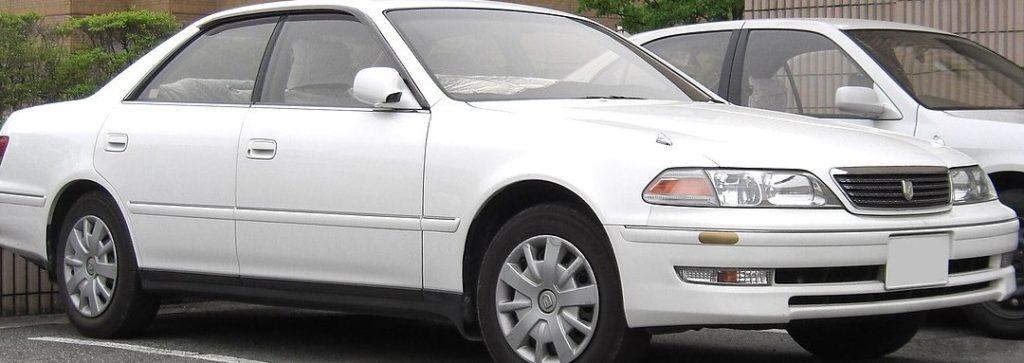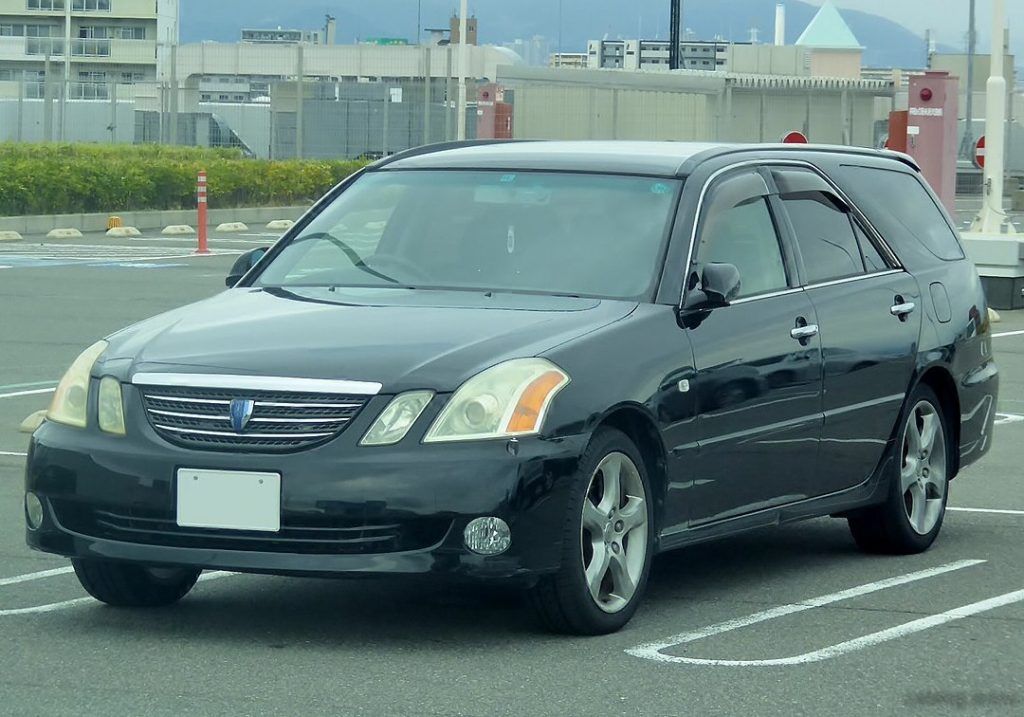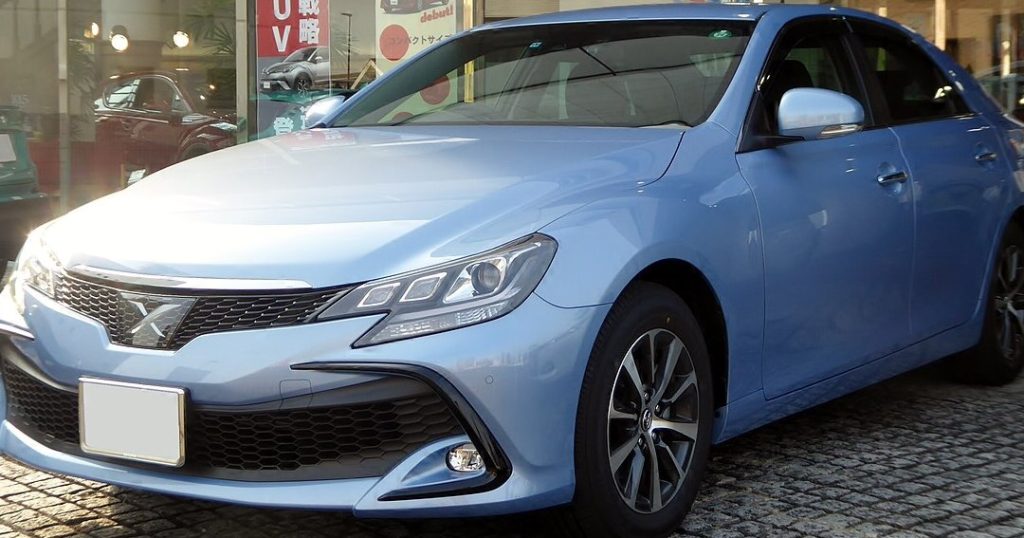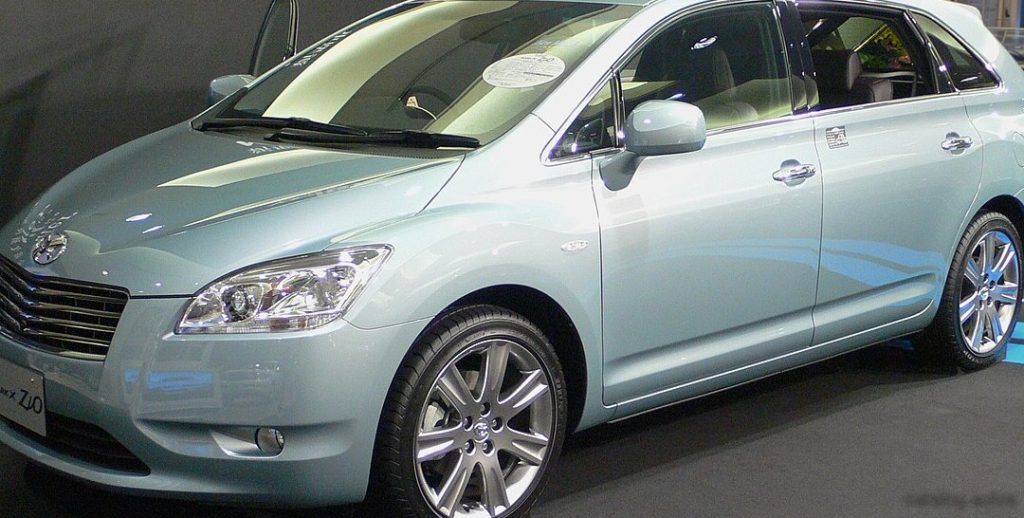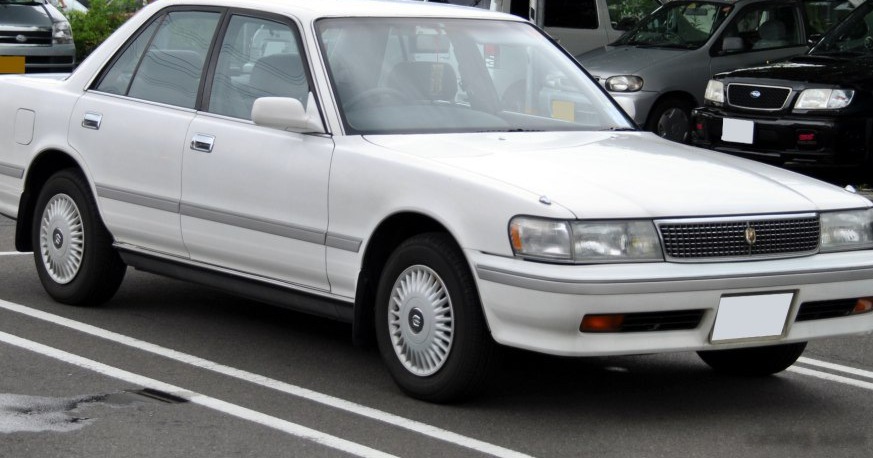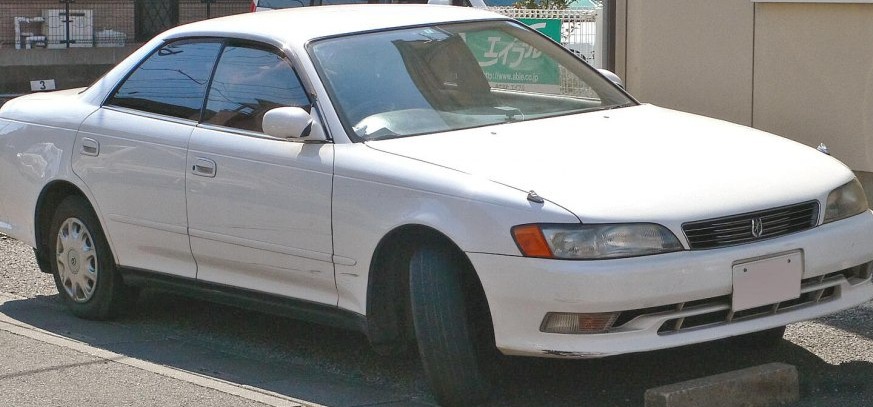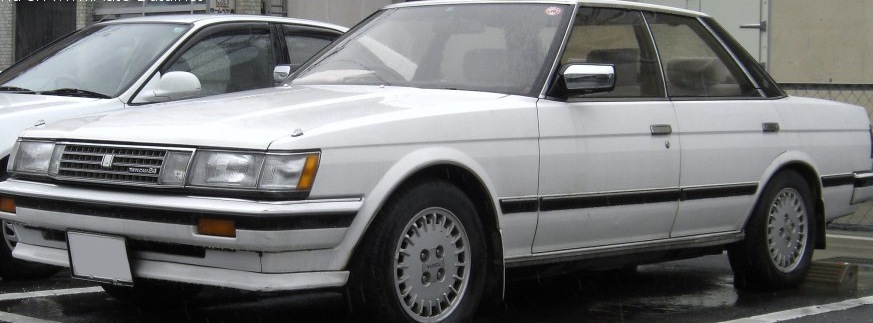
The Toyota Mark II G71 2.0i (160 hp) represents a significant iteration of Toyota’s mid-size sedan, produced between 1984 and 1988. This variant occupied a middle-ground position within the G71 lineup, offering a balance between performance and affordability. The G71 generation Mark II, built upon Toyota’s rear-wheel-drive platform, aimed to provide a comfortable and reliable driving experience, appealing to a broad customer base. It was positioned above the more basic models and below the higher-performance, often turbocharged, variants. The 2.0i model was a key component of the G71’s success, offering a substantial upgrade in power over the base engines while remaining accessible to a wider range of buyers.
The 2.0i Variant: Positioning and Overview
The Mark II G71 2.0i, designated by its 160 horsepower output, was a crucial trim level for Toyota during this period. It catered to drivers seeking a more engaging driving experience than the base models offered, without the added cost and complexity of the turbocharged or larger displacement engines. The “i” designation signified fuel injection, a relatively modern feature for the time that contributed to improved performance and fuel efficiency compared to carbureted counterparts. This model was typically offered in various trim packages, allowing buyers to customize their vehicle with options ranging from upgraded interior materials to enhanced audio systems. The G71 Mark II, in general, aimed to compete with rivals like the Nissan Skyline and Mazda Luce, offering a blend of comfort, reliability, and a degree of sporting character.
Powertrain & Engine Architecture
The heart of the Mark II 2.0i is the 1G-GE engine, a 1998cc, inline-six cylinder, naturally aspirated gasoline engine. This engine is notable for its dual overhead camshafts (DOHC) and four valves per cylinder, a configuration that allowed for improved breathing and higher power output compared to older designs. The 1G-GE utilized electronic fuel injection (EFI), specifically Toyota’s own system, which precisely controlled fuel delivery for optimal combustion. The engine’s block was constructed from cast iron, providing durability, while the cylinder head was made of aluminum alloy, contributing to weight reduction. The compression ratio was typically around 9.1:1, balancing performance and fuel efficiency. The engine produced 160 hp at 6000 rpm and 146 lb-ft of torque at 4800 rpm.
The transmission options for the 2.0i included both a five-speed manual and a four-speed automatic. The automatic transmission, a common choice for buyers prioritizing convenience, was a traditional hydraulic control unit. It featured torque converter lock-up for improved fuel economy at cruising speeds. The gear ratios were tailored to provide a balance between acceleration and highway cruising comfort. The automatic transmission, while reliable, wasn’t known for particularly sporty shift characteristics, prioritizing smooth operation over aggressive downshifts. The rear axle employed a solid axle configuration with a limited-slip differential available on some trim levels, enhancing traction.
Driving Characteristics
The Mark II 2.0i offered a noticeably more spirited driving experience than the base models. The 160 hp engine provided ample power for everyday driving and confident overtaking maneuvers. While not a sports car, the 2.0i felt responsive and capable. The DOHC engine delivered a relatively flat torque curve, meaning usable power was available across a wide range of engine speeds. The automatic transmission, while smooth, did result in some power loss compared to the manual version. Acceleration from 0 to 60 mph was typically in the 8-9 second range, depending on the transmission and vehicle weight. The rear-wheel-drive layout contributed to balanced handling, although the suspension setup was tuned more for comfort than outright cornering performance. The steering was light and precise, making the car easy to maneuver in urban environments.
Equipment & Trim Levels
The Mark II 2.0i was available in several trim levels, each offering a different level of equipment. Base models typically included cloth upholstery, manual windows and locks, and a basic audio system. Higher trim levels added features such as power windows and locks, central locking, upgraded audio systems (often with cassette players), and air conditioning. Leather upholstery was available as an option on some models. Interior appointments generally featured a conservative, functional design, reflecting the Japanese automotive aesthetic of the time. Dashboard layouts were straightforward and easy to use, with clearly labeled controls. Optional extras included sunroofs, alloy wheels, and upgraded suspension components. The overall interior ambiance was one of understated elegance and practicality.
Chassis & Braking
The Mark II G71 utilized a traditional body-on-frame construction, providing a robust and durable platform. The suspension system consisted of independent front suspension with MacPherson struts and a solid rear axle with leaf springs. The rear suspension design was typical for rear-wheel-drive sedans of this era. Stabilizer bars were fitted to both the front and rear axles to reduce body roll during cornering. Braking systems varied depending on the trim level. Base models typically featured drum brakes on the rear wheels, while higher-spec models were equipped with disc brakes all around. Power-assisted steering was standard on all 2.0i models. The braking performance was adequate for the vehicle’s weight and power output, but not particularly outstanding by modern standards. Wheel sizes were typically 14 or 15 inches, with tire sizes corresponding to the wheel diameter.
Market Reception & Comparison
The Toyota Mark II 2.0i was generally well-received by automotive critics and consumers alike. It was praised for its smooth engine, comfortable ride, and overall reliability. Compared to the base models, the 2.0i offered a significant improvement in performance, making it a more enjoyable driving experience. However, it wasn’t as sporty as some of its rivals, such as the Nissan Skyline GT or Mazda Luce Coupe. The automatic transmission, while convenient, was sometimes criticized for its lack of responsiveness. Fuel economy was respectable for a vehicle of its size and engine displacement, averaging around 22-26 mpg in mixed driving conditions. Compared to the turbocharged variants of the Mark II, the 2.0i offered lower maintenance costs and a simpler mechanical design. The 2.0i was often seen as a sensible choice for buyers who wanted a comfortable, reliable, and reasonably powerful sedan.
Technical Specifications
| Engine Type | 1G-GE, 1998cc Inline-Six |
| Engine Aspiration | Naturally Aspirated |
| Maximum Power | 160 hp @ 6000 rpm |
| Maximum Torque | 146 lb-ft @ 4800 rpm |
| Compression Ratio | 9.1:1 |
| Fuel System | Electronic Fuel Injection (EFI) |
| Valve Configuration | DOHC, 4 Valves per Cylinder |
| Transmission | 4-Speed Automatic (Optional 5-Speed Manual) |
| Drivetrain | Rear-Wheel Drive |
| Suspension (Front) | MacPherson Strut, Independent |
| Suspension (Rear) | Solid Axle, Leaf Springs |
| Brakes (Front) | Disc |
| Brakes (Rear) | Disc or Drum (depending on trim) |
| Wheel Size | 14 or 15 inches |
| Curb Weight | Approximately 2700-2900 lbs (depending on trim) |
Legacy
The Toyota Mark II G71 2.0i has maintained a reputation for reliability and durability. The 1G-GE engine, when properly maintained, is known to be a long-lasting powerplant. Today, these vehicles are becoming increasingly collectible, particularly among enthusiasts of Japanese classic cars. Finding well-maintained examples can be challenging, as many have been subjected to years of use. Common issues include wear and tear on suspension components, corrosion in areas prone to rust, and potential problems with the automatic transmission. However, parts availability is generally good, and the relatively simple mechanical design makes these cars relatively easy to repair. The 2.0i variant remains a popular choice among those seeking a classic Japanese sedan that offers a blend of comfort, reliability, and a touch of sporting character. Its enduring appeal is a testament to Toyota’s engineering prowess and the G71 Mark II’s overall quality.