
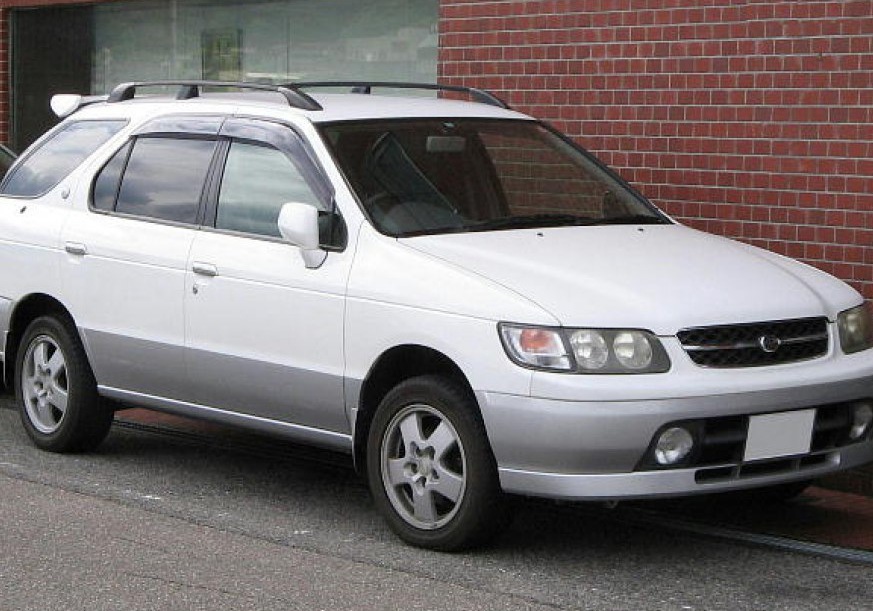
The Nissan R Nessa 2.0 T GT Turbo, produced between 1997 and 2001, was a distinctive station wagon offering a blend of practicality and performance. Positioned as a mid-to-upper trim level within the R Nessa range, it distinguished itself from the base models with its turbocharged engine and all-wheel-drive system. The R Nessa, built on Nissan’s U13 chassis, aimed to provide a comfortable and capable vehicle for families and those requiring ample cargo space, while the GT Turbo variant catered to drivers seeking a more engaging driving experience. It represented Nissan’s attempt to capture a segment of the market that desired a sporty wagon, a niche not heavily populated at the time.
Powertrain & Engine Architecture
The heart of the R Nessa 2.0 T GT Turbo is the SR20DET, a 2.0-liter inline-four cylinder engine. This engine, a member of Nissan’s SR series, is renowned for its robustness and tuning potential. The ‘DET’ designation signifies a turbocharged and intercooled engine. The SR20DET in the R Nessa produced 200 horsepower at 6400 rpm and 265 Nm (195.45 lb-ft) of torque at 4800 rpm. This output was achieved through a multi-port fuel injection system and a Garrett turbocharger. The engine features a double overhead camshaft (DOHC) valvetrain with four valves per cylinder, contributing to its efficient breathing and power delivery. The compression ratio is set at 8.5:1, a compromise between performance and reliability when used with a turbocharger.
The engine is longitudinally mounted in the front of the vehicle, driving all four wheels through a four-speed automatic transmission. This transmission, while providing convenience, was often criticized for its relatively slow shifting compared to the available manual transmission in other R Nessa models. The automatic transmission’s gear ratios were geared towards providing adequate acceleration and maintaining reasonable fuel economy, though it didn’t fully exploit the engine’s potential for spirited driving. The 4WD system employed a viscous coupling center differential, providing automatic torque distribution between the front and rear axles based on traction conditions.
Engine Specifications
The SR20DET engine boasts a cylinder bore and piston stroke of 86mm x 86mm, resulting in a displacement of 1998 cm³ (121.93 cu. in.). This square engine configuration contributes to its balanced performance characteristics. The engine’s design incorporates features like a cast iron block and aluminum cylinder head, providing a good balance of durability and weight. The turbocharger is a key component, forcing more air into the cylinders and significantly increasing power output compared to naturally aspirated versions of the SR20 engine.
Driving Characteristics
The R Nessa 2.0 T GT Turbo offered a noticeable performance upgrade over the base models. The turbocharger provides a surge of power in the mid-range, making overtaking maneuvers and highway cruising effortless. While the 0-60 mph time wasn’t particularly groundbreaking, estimated around 8-9 seconds, the car felt quicker in real-world driving due to the readily available torque. Compared to the manual transmission versions, the automatic transmission slightly dulled the driving experience, requiring more anticipation when accelerating. The all-wheel-drive system provided excellent traction in various conditions, enhancing stability and confidence, particularly on slippery surfaces. However, the added weight of the 4WD system and automatic transmission did contribute to a slightly less nimble feel compared to the lighter, rear-wheel-drive models.
Equipment & Trim Levels
The GT Turbo trim level of the R Nessa came standard with several features designed to enhance comfort and convenience. These typically included power windows, power door locks, air conditioning, and a basic audio system. Interior upholstery was generally cloth, though leather options were available as an upgrade. The dashboard layout was functional and straightforward, with easy-to-read gauges. Optional extras included a sunroof, upgraded audio systems, and alloy wheels. The GT Turbo also featured upgraded brakes compared to the base models, reflecting the increased performance capabilities. The interior space was generous for a wagon of its size, offering ample headroom and legroom for both front and rear passengers.
Chassis & Braking
The R Nessa 2.0 T GT Turbo utilized a coil spring suspension in the front and a leaf spring suspension in the rear. This combination provided a reasonable balance between ride comfort and handling. The front suspension featured a stabilizer bar to reduce body roll during cornering. The braking system consisted of ventilated discs on the front wheels and drum brakes on the rear wheels. While adequate for normal driving, the rear drum brakes were a point of criticism, as they didn’t offer the same stopping power as disc brakes. The car’s curb weight of 1610 kg (3549.44 lbs) contributed to its stable handling characteristics, but also limited its overall agility.
Market Reception & Comparison
The Nissan R Nessa 2.0 T GT Turbo received mixed reviews from automotive critics. While the engine and all-wheel-drive system were praised for their performance and capability, the four-speed automatic transmission was often seen as a weak point. Critics also noted that the interior, while functional, lacked the refinement of some of its European competitors. Compared to other trims in the R Nessa lineup, the GT Turbo offered a significant performance advantage, but at a higher price point. Fuel economy was reasonable for a turbocharged wagon, averaging around 25-30 mpg in mixed driving conditions. Reliability was generally good, though the turbocharger required regular maintenance to prevent issues. The R Nessa GT Turbo competed with other sporty wagons of the era, such as the Subaru Legacy GT and the Mitsubishi Galant VR-4.
Technical Specifications
| Engine Type | Inline-4, Turbocharged |
| Engine Displacement | 1998 cm³ (121.93 cu. in.) |
| Horsepower | 200 hp @ 6400 rpm |
| Torque | 265 Nm (195.45 lb-ft) @ 4800 rpm |
| Compression Ratio | 8.5:1 |
| Fuel Injection | Multi-port |
| Transmission | 4-speed Automatic |
| Drivetrain | All-Wheel Drive (4×4) |
| Curb Weight | 1610 kg (3549.44 lbs) |
| Maximum Weight | 1885 kg (4155.71 lbs) |
| Fuel Tank Capacity | 65 l (17.17 US gal) |
| Length | 4680 mm (184.25 in) |
| Width | 1765 mm (69.49 in) |
| Height | 1640 mm (64.57 in) |
| Wheelbase | 2800 mm (110.24 in) |
| Front Brakes | Ventilated Discs |
| Rear Brakes | Drums |
Legacy
The Nissan R Nessa 2.0 T GT Turbo, while not a mainstream success, has gained a cult following among enthusiasts. The SR20DET engine remains highly regarded for its tuning potential and durability. Today, well-maintained examples of the R Nessa GT Turbo are becoming increasingly collectible. The automatic transmission can detract from the value, with manual transmission models commanding a premium. Common issues with these vehicles include turbocharger wear, aging suspension components, and corrosion. Despite these potential problems, the R Nessa 2.0 T GT Turbo remains a unique and capable wagon, offering a blend of performance, practicality, and retro charm. Its status as a relatively rare and distinctive vehicle ensures its continued appeal to those seeking a classic Japanese performance car.
