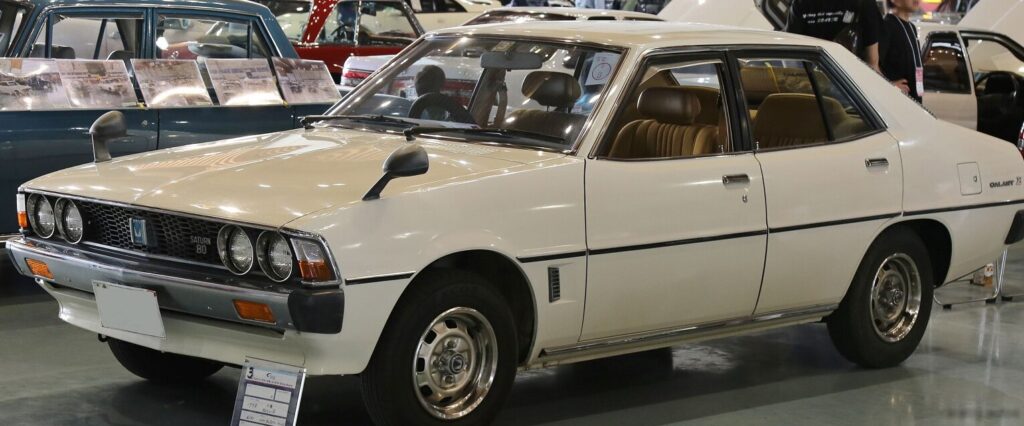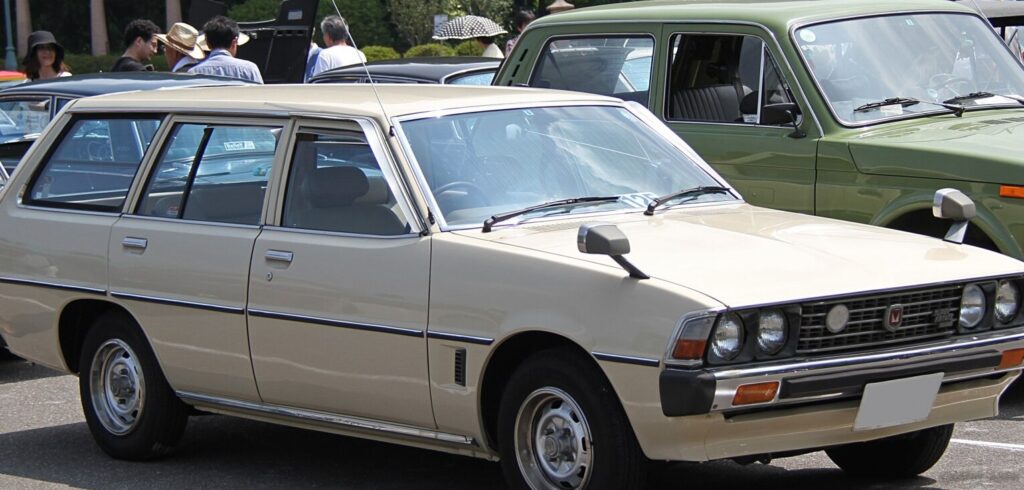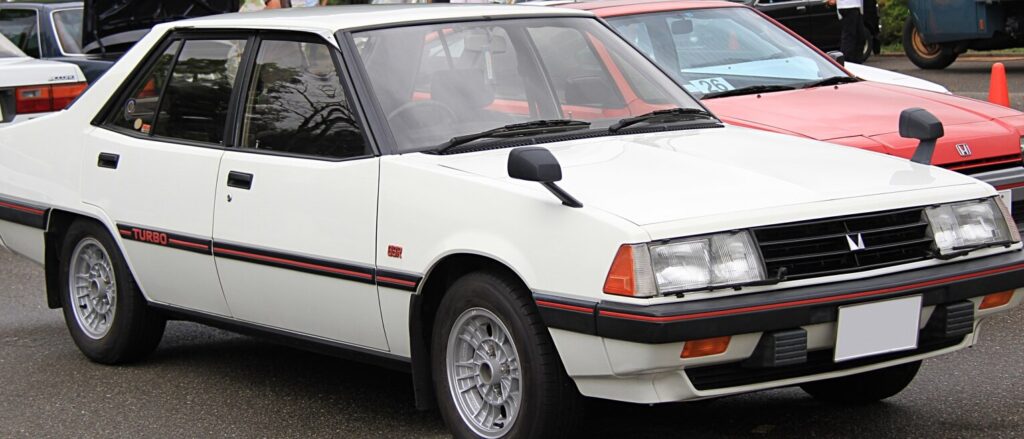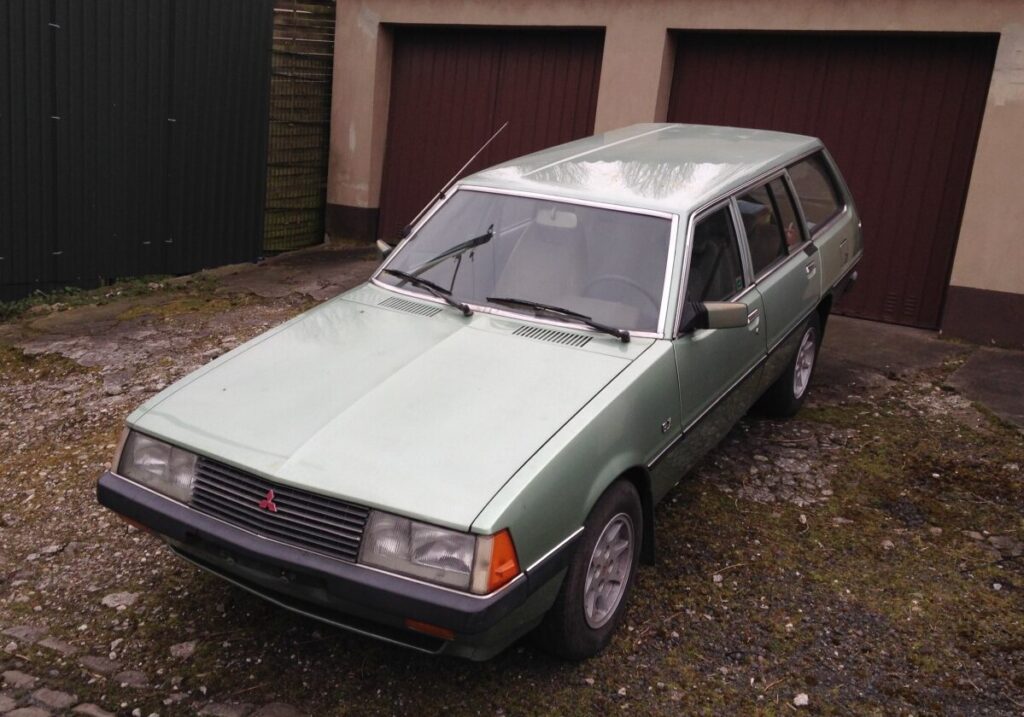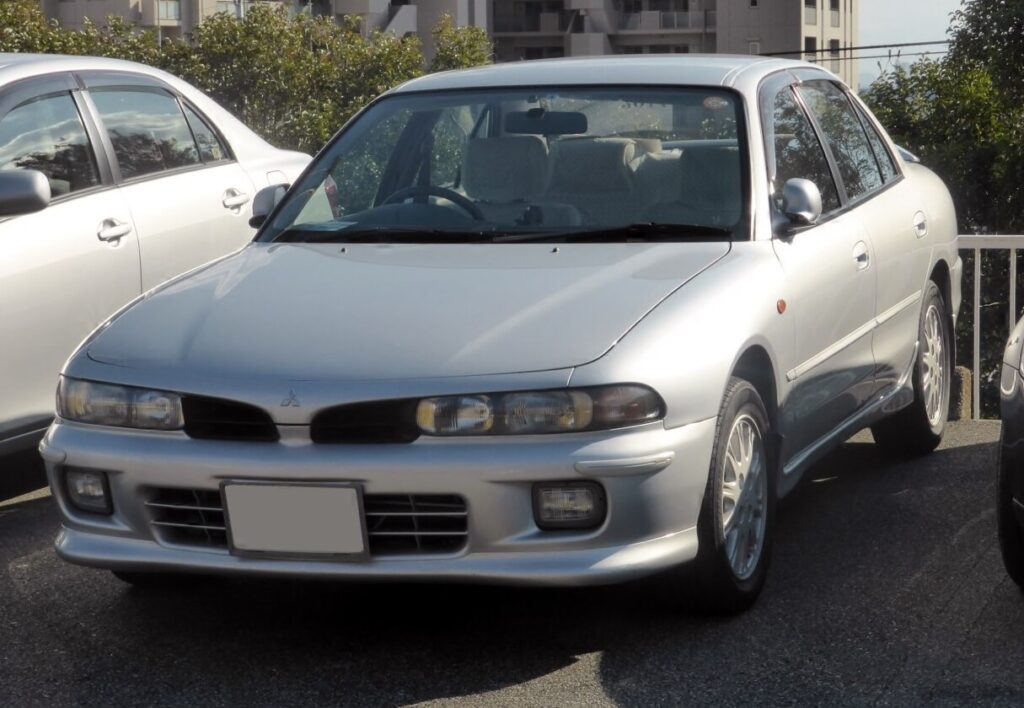
The Mitsubishi Galant VII 2.0 GLSTD (E57A), producing 90 horsepower, was a variant of the seventh-generation Mitsubishi Galant, manufactured from 1992 to 1996. This model occupied the entry-level position within the Galant VII lineup, offering a more economical and accessible option compared to the higher-performance and more luxurious trims. It was built on the 1HX0/A3 platform, shared with other Mitsubishi and Chrysler vehicles of the era. The 2.0 GLSTD was primarily aimed at buyers seeking a comfortable, reliable, and fuel-efficient mid-size sedan for daily commuting and family use.
Powertrain & Engine Architecture
The heart of the Galant VII 2.0 GLSTD was the 4D68T 2.0-liter inline-four cylinder diesel engine. This engine utilized a precombustion chamber injection system, a common technology for diesel engines of the time, designed to improve combustion efficiency and reduce emissions. The 4D68T featured an overhead camshaft (OHC) valvetrain with two valves per cylinder. The engine’s displacement was 1998 cm³ (121.93 cubic inches), with a bore of 82.7 mm (3.26 inches) and a stroke of 93 mm (3.66 inches). A turbocharger was employed to boost power output, bringing the engine’s peak power to 90 hp at 4500 rpm and 191 Nm (140.87 lb-ft) of torque at 2500 rpm. The compression ratio was relatively high at 22.4:1, typical for a turbocharged diesel engine. Engine oil capacity was 5.1 liters (5.39 US quarts / 4.49 UK quarts).
Transmission
The 2.0 GLSTD was equipped with a 5-speed manual transmission as standard. This transmission was chosen to maximize fuel efficiency and provide a reasonably engaging driving experience, despite the engine’s modest power output. The gear ratios were tuned for everyday drivability, prioritizing acceleration in the lower gears and comfortable cruising at highway speeds. An automatic transmission was not offered with this specific engine configuration.
Driving Characteristics
The Galant VII 2.0 GLSTD’s driving characteristics were defined by its focus on practicality and fuel economy rather than outright performance. Acceleration from 0 to 100 km/h (0-62 mph) took approximately 13.9 seconds, and 0 to 60 mph was achieved in around 13.2 seconds. The top speed was rated at 175 km/h (108.74 mph). The turbocharger provided a noticeable boost in power during acceleration, but the engine’s overall output was limited. The 5-speed manual transmission allowed drivers to keep the engine in its optimal power band, but the car was not designed for spirited driving. Compared to the higher-output gasoline-powered Galant variants, the 2.0 GLSTD offered significantly less power and acceleration, but it compensated with superior fuel economy and lower running costs. The weight-to-power ratio was 14.5 kg/hp, and the weight-to-torque ratio was 6.8 kg/Nm.
Equipment & Trim Levels
The 2.0 GLSTD trim level represented the base model of the Galant VII range. Standard equipment typically included basic features such as cloth upholstery, manual windows and door locks, and a simple audio system. Air conditioning was often an optional extra. The dashboard layout was functional and straightforward, prioritizing ease of use over aesthetic appeal. Safety features were limited by the standards of the time, generally including only a driver’s airbag and ABS (Anti-lock Braking System) as optional equipment. Optional extras could include power windows, central locking, and an upgraded audio system. The interior color schemes were typically conservative, with shades of gray and beige being common.
Chassis & Braking
The Galant VII 2.0 GLSTD featured a front-engine, front-wheel-drive layout. The front suspension utilized a double wishbone configuration, providing a comfortable ride and reasonable handling characteristics. The rear suspension employed a spring strut setup. Braking duties were handled by ventilated discs on the front wheels and drum brakes on the rear wheels. The ABS system, when equipped, helped to improve braking performance and stability, particularly on slippery surfaces. The steering system was a rack and pinion type with hydraulic power assistance, providing a relatively light and responsive steering feel. The vehicle rode on 185/70 R14 tires.
Market Reception & Comparison
The Mitsubishi Galant VII 2.0 GLSTD was generally well-received as a practical and affordable mid-size sedan. Critics praised its fuel efficiency and comfortable ride, but noted its lack of performance compared to other Galant variants and its competitors. The diesel engine offered significantly better fuel economy than the gasoline engines available in the Galant VII range, achieving a combined fuel consumption of 6.8 l/100 km (34.6 US mpg / 41.5 UK mpg / 14.7 km/l). However, the diesel engine was also known to be somewhat noisy and less refined than its gasoline counterparts. Compared to the V6-powered Galant models, the 2.0 GLSTD offered a much lower purchase price and running costs, making it an attractive option for budget-conscious buyers. Reliability was generally good, although diesel engines of this era could require more frequent maintenance than gasoline engines.
Technical Specifications
| Brand | Mitsubishi |
| Model | Galant |
| Generation | Galant VII |
| Type | 2.0 GLSTD (E57A) (90 Hp) |
| Start of production | 1992 |
| End of production | 1996 |
| Body type | Sedan |
| Seats | 5 |
| Doors | 4 |
| Fuel consumption (combined) | 6.8 l/100 km |
| Fuel Type | Diesel |
| Acceleration 0 – 100 km/h | 13.9 sec |
| Acceleration 0 – 62 mph | 13.9 sec |
| Acceleration 0 – 60 mph | 13.2 sec |
| Maximum speed | 175 km/h (108.74 mph) |
| Weight-to-power ratio | 14.5 kg/Hp |
| Weight-to-torque ratio | 6.8 kg/Nm |
| Power | 90 Hp @ 4500 rpm |
| Torque | 191 Nm @ 2500 rpm (140.87 lb.-ft. @ 2500 rpm) |
| Engine layout | Front, Transverse |
| Engine Model/Code | 4D68 T |
| Engine displacement | 1998 cm³ (121.93 cu. in.) |
| Number of cylinders | 4 |
| Engine configuration | Inline |
| Cylinder Bore | 82.7 mm (3.26 in.) |
| Piston Stroke | 93 mm (3.66 in.) |
| Compression ratio | 22.4:1 |
| Number of valves per cylinder | 2 |
| Fuel injection system | Precombustion chamber injection |
| Engine aspiration | Turbocharger |
| Valvetrain | OHC |
| Engine oil capacity | 5.1 l (5.39 US qt | 4.49 UK qt) |
| Kerb Weight | 1306 kg (2879.24 lbs.) |
| Max. weight | 1765 kg (3891.16 lbs.) |
| Max load | 459 kg (1011.92 lbs.) |
| Trunk (boot) space – minimum | 450 l (15.89 cu. ft.) |
| Trunk (boot) space – maximum | 660 l (23.31 cu. ft.) |
| Fuel tank capacity | 64 l (16.91 US gal | 14.08 UK gal) |
| Length | 4620 mm (181.89 in.) |
| Width | 1730 mm (68.11 in.) |
| Height | 1395 mm (54.92 in.) |
| Wheelbase | 2635 mm (103.74 in.) |
| Front track | 1510 mm (59.45 in.) |
| Rear track | 1505 mm (59.25 in.) |
| Drivetrain | Front wheel drive |
| Number of gears | 5 |
| Gearbox type | Manual transmission |
| Front suspension | Double wishbone |
| Rear suspension | Spring Strut |
| Front brakes | Ventilated discs |
| Rear brakes | Drum |
| Steering type | Steering rack and pinion |
| Power steering | Hydraulic Steering |
| Tires size | 185/70 R14 |
Legacy
The Mitsubishi Galant VII 2.0 GLSTD (E57A) remains a relatively common sight in the used car market, particularly in regions where diesel-powered vehicles are popular. The 4D68T engine, while not known for its refinement, is generally considered to be durable and reliable if properly maintained. Common issues include wear and tear on the turbocharger and potential problems with the precombustion chamber injection system. Parts availability can be a challenge in some markets, but many components are still available through aftermarket suppliers. Today, the 2.0 GLSTD is often seen as a practical and affordable classic car, appealing to enthusiasts who appreciate its simplicity and fuel efficiency. It represents a significant example of Mitsubishi’s engineering during the early 1990s, offering a blend of practicality, reliability, and affordability.