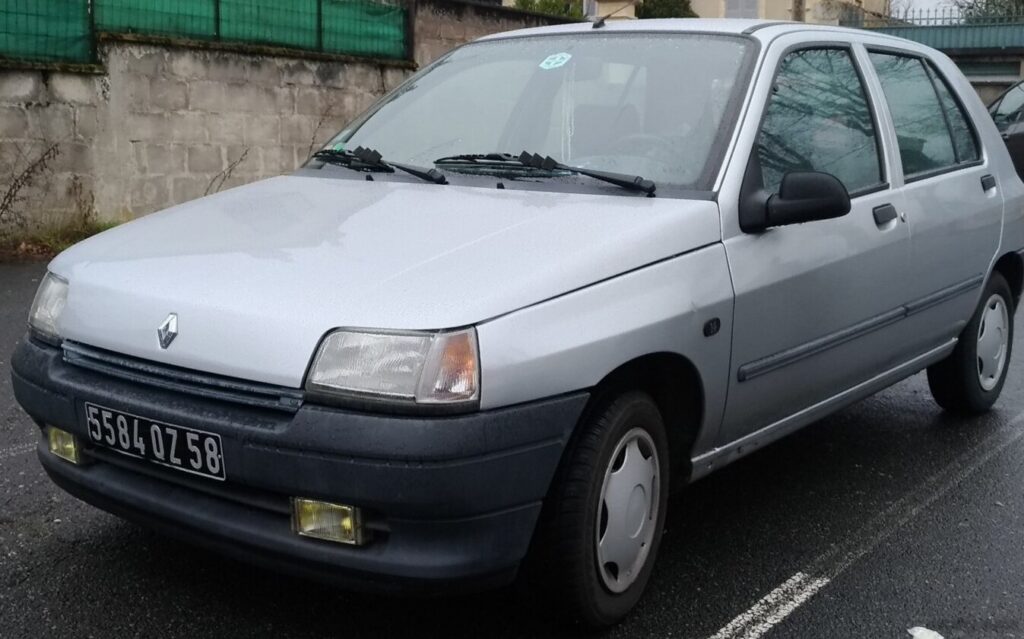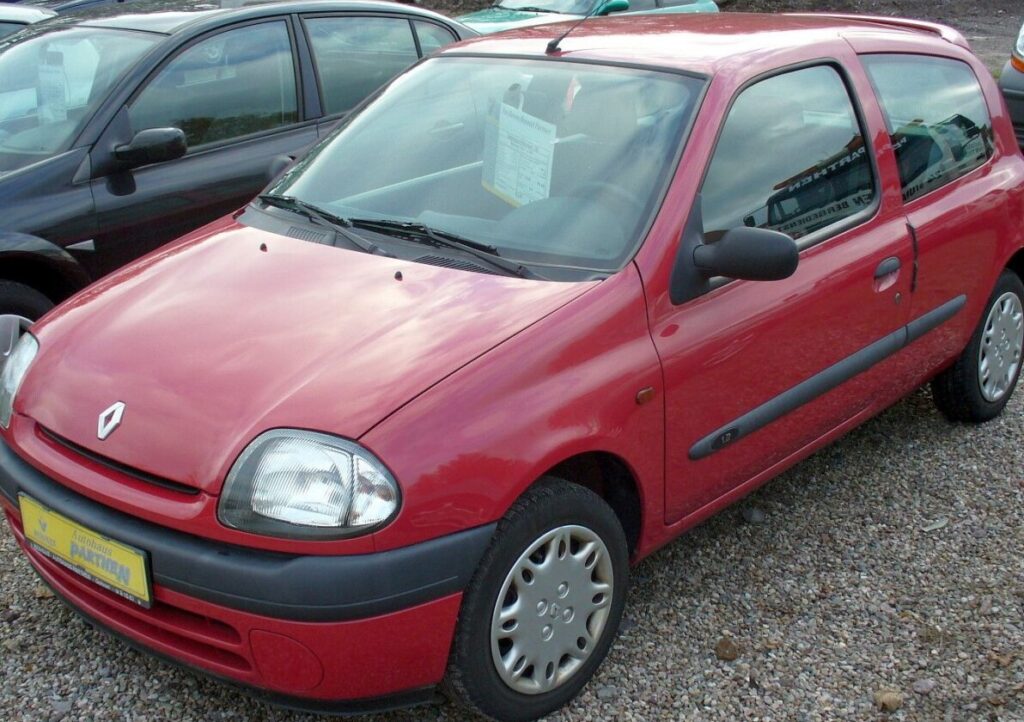
The Renault Clio II (Phase I) 1.9 dTi 3-door, produced from 2000 to 2001, represented a fuel-efficient and practical entry point into the second generation of Renault’s popular supermini. Positioned as a budget-conscious option within the Clio II range, it catered to drivers prioritizing economy and everyday usability over outright performance. This variant utilized a direct-injection diesel engine, offering a compelling blend of fuel efficiency and reasonable torque for urban and highway driving. The Clio II, internally designated the B/C or X6J platform, was a significant step forward for Renault, offering improved safety, comfort, and refinement compared to its predecessor.
Powertrain & Engine Architecture
The heart of the Clio II 1.9 dTi was the F9Q 730 engine, a 1.9-liter inline four-cylinder diesel. This engine was a common sight in Renault and Peugeot vehicles of the era, known for its durability and relatively simple mechanical design. The ‘dTi’ designation signified a direct injection system, utilizing high-pressure fuel injection directly into the combustion chamber. This technology improved combustion efficiency, resulting in better fuel economy and reduced emissions compared to older indirect injection diesel engines. The F9Q engine featured a single overhead camshaft (OHC) operating two valves per cylinder.
The engine produced 80 horsepower (hp) at 4000 rpm and 160 Newton-meters (118 lb-ft) of torque at 2000 rpm. While not a powerhouse, the torque output provided adequate pulling power for everyday driving situations. The engine’s compression ratio was relatively high at 18.3:1, typical for a direct injection diesel. The engine was transversely mounted in the front of the vehicle, driving the front wheels. The 1.9 dTi was exclusively offered with a five-speed manual transmission during its short production run. There was no automatic transmission option for this specific engine and trim combination.
Fuel Injection and Valvetrain
The direct injection system employed a Bosch EDC15C3 engine control unit (ECU) to manage fuel delivery and timing. The injectors themselves were solenoid-operated, delivering fuel at pressures up to 140 bar. This precise control of fuel injection contributed to the engine’s efficiency and reduced particulate emissions. The OHC valvetrain, while simple, was reliable and required minimal maintenance. The engine’s design prioritized robustness and longevity over high-revving performance.
Driving Characteristics
The Clio II 1.9 dTi offered a pragmatic driving experience. Acceleration was modest, taking approximately 12.8 seconds to reach 62 mph (100 km/h). However, the engine’s torque characteristics meant that it felt more responsive in everyday driving situations, particularly when overtaking or climbing hills. The five-speed manual transmission was well-matched to the engine’s powerband, allowing drivers to keep the engine in its optimal operating range. Compared to the more powerful petrol versions of the Clio II, the 1.9 dTi prioritized fuel economy and low-speed drivability. The manual transmission also provided a more engaging driving experience than an automatic would have, though it lacked the convenience. The steering was light and precise, making it easy to maneuver in urban environments. The suspension, tuned for comfort, provided a reasonably smooth ride, although it could feel somewhat unsettled on rough roads.
Equipment & Trim Levels
The 1.9 dTi 3-door typically represented the entry-level trim in the Clio II range. Standard equipment generally included power steering, central locking, and a basic audio system. Interior upholstery was typically cloth, with a functional but unpretentious dashboard layout. Safety features included driver and passenger airbags, and ABS (Anti-lock Braking System) was often included as standard, though this could vary depending on the specific market. Optional extras included air conditioning, electric windows, and upgraded audio systems. The interior plastics were durable but lacked the premium feel of higher-spec Clio II models. The 3-door configuration prioritized a sporty appearance and ease of parking in tight spaces, but at the expense of rear passenger access.
Chassis & Braking
The Clio II 1.9 dTi utilized a MacPherson strut independent suspension at the front and a torsion beam suspension at the rear. This setup provided a good balance between ride comfort and handling. The front brakes were ventilated discs, while the rear brakes were drums. This configuration was typical for vehicles in this weight class and price range. The steering was a rack and pinion system with hydraulic power assistance, providing light and precise steering feel. The tires were typically 175/65 R14, offering a good compromise between grip and rolling resistance. The kerb weight of the vehicle was approximately 1000 kg (2204.62 lbs), contributing to its relatively good fuel economy.
Market Reception & Comparison
The Clio II 1.9 dTi was generally well-received by critics as a practical and economical choice. It was praised for its fuel efficiency, reliability, and low running costs. However, it was also criticized for its modest performance and somewhat basic interior. Compared to the petrol-powered Clio II models, the 1.9 dTi offered significantly better fuel economy but lacked the same level of refinement and acceleration. Compared to other diesel-powered superminis of the time, such as the Peugeot 206 HDi, the Clio II 1.9 dTi offered a competitive package in terms of price and fuel economy. Its simplicity and robust engine design made it a popular choice for fleet operators and private buyers alike.
Technical Specifications
| Engine Model/Code | F9Q 730 |
| Engine Displacement | 1870 cm3 (114.11 cu. in.) |
| Number of Cylinders | 4, Inline |
| Power | 80 Hp @ 4000 rpm |
| Torque | 160 Nm @ 2000 rpm (118.01 lb.-ft. @ 2000 rpm) |
| Fuel Injection System | Direct Injection |
| Valvetrain | OHC (2 valves per cylinder) |
| Compression Ratio | 18.3:1 |
| Fuel Consumption (Urban) | 6.7 l/100 km (35.1 US mpg, 42.2 UK mpg) |
| Fuel Consumption (Extra Urban) | 4.3 l/100 km (54.7 US mpg, 65.7 UK mpg) |
| Fuel Consumption (Combined) | 5.2 l/100 km (45.2 US mpg, 54.3 UK mpg) |
| CO2 Emissions | 139 g/km |
| Acceleration 0-100 km/h | 12.8 sec |
| Maximum Speed | 174 km/h (108.12 mph) |
| Kerb Weight | 1000 kg (2204.62 lbs) |
| Fuel Tank Capacity | 50 l (13.21 US gal, 11 UK gal) |
| Transmission | 5-speed Manual |
Legacy
The Renault Clio II 1.9 dTi, while a relatively short-lived variant, has proven to be a durable and reliable vehicle. The F9Q engine is known for its longevity, and many examples are still on the road today. In the used car market, these Clios are often sought after by buyers looking for an affordable and economical runabout. Maintenance is generally straightforward, and parts are readily available. However, potential buyers should be aware of the age-related issues common to all vehicles of this era, such as corrosion and wear and tear on suspension components. The 1.9 dTi’s simplicity and fuel efficiency continue to make it a practical choice for those seeking a no-frills, economical mode of transportation.