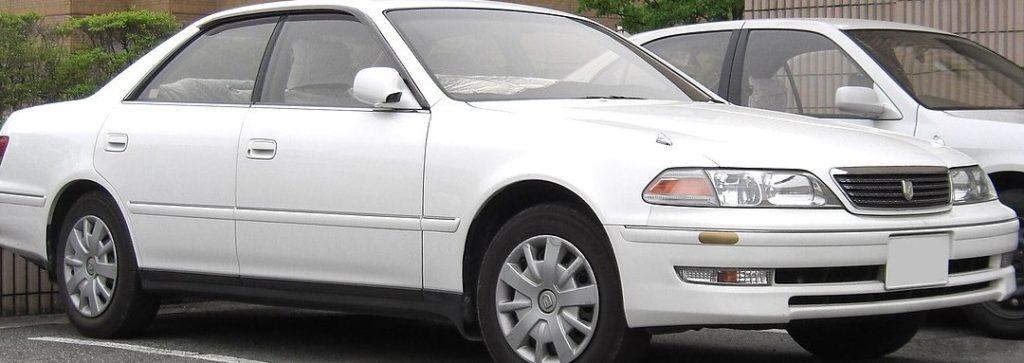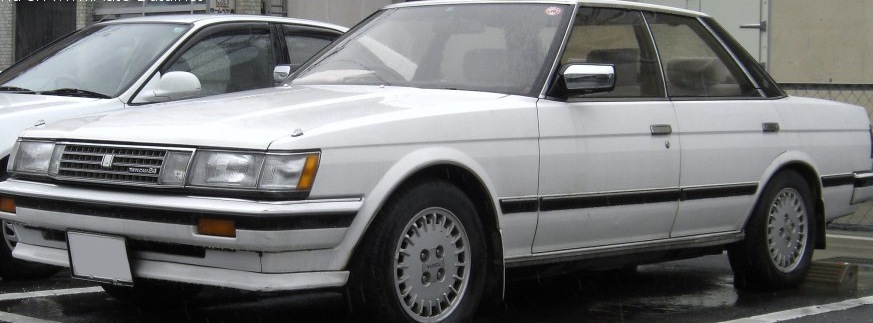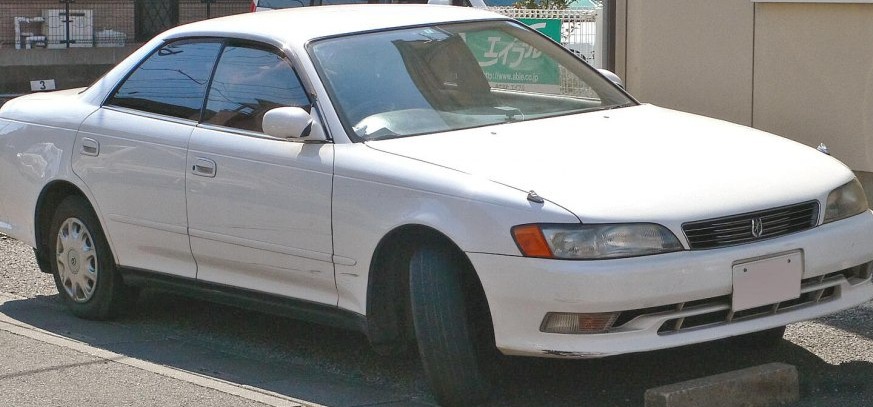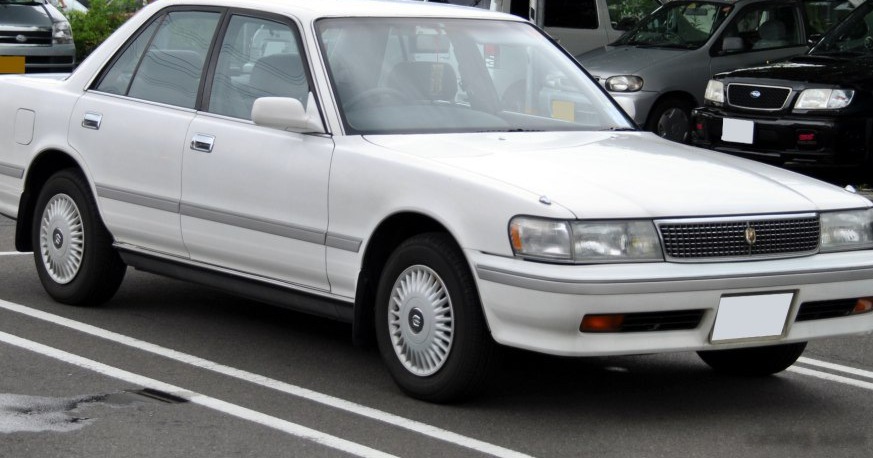
The Toyota Mark II GX81, produced between 1988 and 1992, represented the seventh generation of Toyota’s Mark II lineage, a mid-size sedan known for its blend of comfort, practicality, and increasingly, sporting aspirations. Within the GX81 range, the 1.8-liter 16V (105 hp) variant occupied the entry-level position, serving as the most accessible point of entry into the Mark II family. This model aimed to provide reliable transportation and reasonable fuel economy, appealing to a broader customer base than the more powerful, and often more expensive, turbocharged or six-cylinder options available. It was a key component of Toyota’s strategy to offer a Mark II for various budgets and driving preferences.
The 1.8L 16V GX81: Positioning and Overview
The GX81 Mark II was built upon Toyota’s rear-wheel-drive platform, a configuration that continued to appeal to drivers who valued handling and driving dynamics. The 1.8L 16V model was specifically designed to be the fuel-efficient and affordable option within the lineup. While the higher-spec models, such as those equipped with the 2.0L turbocharged 1G-GTE engine or the 2.4L 1JZ-GE inline-six, catered to enthusiasts seeking performance, the 1.8L version targeted buyers prioritizing economy and everyday usability. This trim level was commonly equipped with a four-speed automatic transmission, though a five-speed manual was also available, albeit less common. The GX81 generation saw a shift towards more sophisticated styling and interior appointments compared to its predecessors, and even the base 1.8L model benefited from these improvements, offering a comfortable and well-equipped cabin for its price point.
Powertrain & Engine Architecture
The heart of the GX81 1.8L variant was the 1S-i engine, a 1781cc inline-four cylinder gasoline engine. This engine featured a 16-valve dual overhead camshaft (DOHC) cylinder head, a significant upgrade from earlier Toyota engines. The 1S-i utilized Toyota’s electronically controlled fuel injection system, contributing to improved fuel efficiency and reduced emissions. The engine’s bore and stroke measured 86.0 mm x 81.1 mm, resulting in a compression ratio of 9.0:1. The 1S-i engine produced 105 horsepower (hp) at 6,000 rpm and 109 lb-ft of torque at 4,800 rpm. The engine block was constructed from cast iron, while the cylinder head was made of aluminum alloy. The valvetrain employed hydraulic lifters, reducing the need for frequent valve adjustments. The most common automatic transmission paired with this engine was the A240E, a four-speed electronically controlled automatic. This transmission was known for its smooth shifting and reliability, though it wasn’t particularly sporty in its tuning, prioritizing comfort and fuel economy over aggressive acceleration. The A240E featured torque converter lock-up for improved highway efficiency.
Driving Characteristics
The driving experience in the GX81 1.8L Automatic was characterized by smooth, predictable performance. Acceleration was adequate for everyday driving, but it wasn’t a particularly quick car. The 0-60 mph time was estimated to be around 11-12 seconds. The four-speed automatic transmission contributed to a relaxed driving style, with relatively wide gear ratios. The engine felt most comfortable in the mid-range, providing sufficient power for merging onto highways and overtaking slower traffic. Compared to the manual transmission version, the automatic offered less driver engagement but greater convenience. The difference in performance between the 1.8L and the more powerful 2.0L turbocharged or 2.4L inline-six models was substantial. The 1G-GTE, for example, offered significantly more horsepower and torque, resulting in much quicker acceleration and a more engaging driving experience. However, the 1.8L’s lighter weight and simpler engine design contributed to better fuel economy. The rear-wheel-drive layout provided a balanced feel, and the suspension, while not particularly sporty, offered a comfortable ride.
Equipment & Trim Levels
The GX81 1.8L typically came standard with features such as power steering, air conditioning, and an AM/FM radio. Interior upholstery was typically cloth, available in a range of colors. The dashboard layout was functional and straightforward, with clearly labeled controls. Optional extras included power windows, power locks, a sunroof, and upgraded audio systems. Higher trim levels within the 1.8L range, such as the Super Extra, added features like alloy wheels, upgraded interior trim, and a more comprehensive sound system. The base model was relatively spartan, focusing on essential features, while the higher trims offered a more luxurious experience. The instrument cluster featured a speedometer, tachometer, fuel gauge, and temperature gauge. Safety features were relatively basic for the time, typically including seatbelts and a collapsible steering column.
Chassis & Braking
The GX81 Mark II utilized a MacPherson strut front suspension and a four-link rear suspension. This suspension setup provided a good balance between ride comfort and handling. The 1.8L models typically featured smaller tires and narrower wheels compared to the higher-spec models. The braking system consisted of disc brakes on the front wheels and drum brakes on the rear wheels. The drum brakes on the rear were a cost-saving measure for the base models. The braking performance was adequate for everyday driving, but it wasn’t particularly strong. Stabilizer bars were fitted to both the front and rear suspension, helping to reduce body roll during cornering. The chassis was relatively lightweight, contributing to the car’s nimble handling characteristics. The steering was power-assisted, making it easy to maneuver at low speeds.
Market Reception & Comparison
The GX81 1.8L Mark II received generally positive reviews for its reliability, fuel economy, and comfortable ride. Critics noted that it wasn’t a particularly exciting car to drive, but it offered a practical and affordable transportation solution. Compared to its competitors, such as the Nissan Maxima and Honda Accord, the Mark II offered a unique rear-wheel-drive layout and a reputation for durability. Fuel economy was a strong point, with the 1.8L engine achieving around 22-26 mpg in combined driving. Reliability was also a key strength, with the 1S-i engine proving to be a robust and long-lasting unit. However, the 1.8L model lacked the performance and prestige of the higher-spec Mark II variants. The turbocharged and six-cylinder models were more popular among enthusiasts, while the 1.8L appealed to a broader audience seeking a reliable and economical sedan.
Technical Specifications
| Engine Type | 1S-i Inline-4 |
| Displacement | 1781 cc (1.8 L) |
| Horsepower | 105 hp @ 6,000 rpm |
| Torque | 109 lb-ft @ 4,800 rpm |
| Compression Ratio | 9.0:1 |
| Fuel System | Electronic Fuel Injection |
| Valve Configuration | DOHC 16-Valve |
| Transmission | 4-Speed Automatic (A240E) or 5-Speed Manual |
| Drivetrain | Rear-Wheel Drive |
| Front Suspension | MacPherson Strut |
| Rear Suspension | Four-Link |
| Front Brakes | Disc |
| Rear Brakes | Drum |
| Curb Weight | Approximately 2,689 lbs (1,220 kg) |
| Fuel Economy (Combined) | 22-26 mpg |
Legacy
The GX81 1.8L Mark II remains a relatively common sight on the used car market, particularly in Japan and other regions where it was originally sold. The 1S-i engine is known for its durability and relatively low maintenance costs. Parts availability is generally good, although some specific components may be becoming increasingly difficult to find. The GX81 Mark II has gained a following among enthusiasts who appreciate its classic styling, rear-wheel-drive layout, and simple mechanical design. While it may not offer the performance of the higher-spec models, the 1.8L variant provides a reliable and affordable entry point into the Mark II world. Its enduring popularity is a testament to Toyota’s reputation for building durable and well-engineered vehicles. Today, these cars are often sought after for restoration projects or as affordable classic cars.