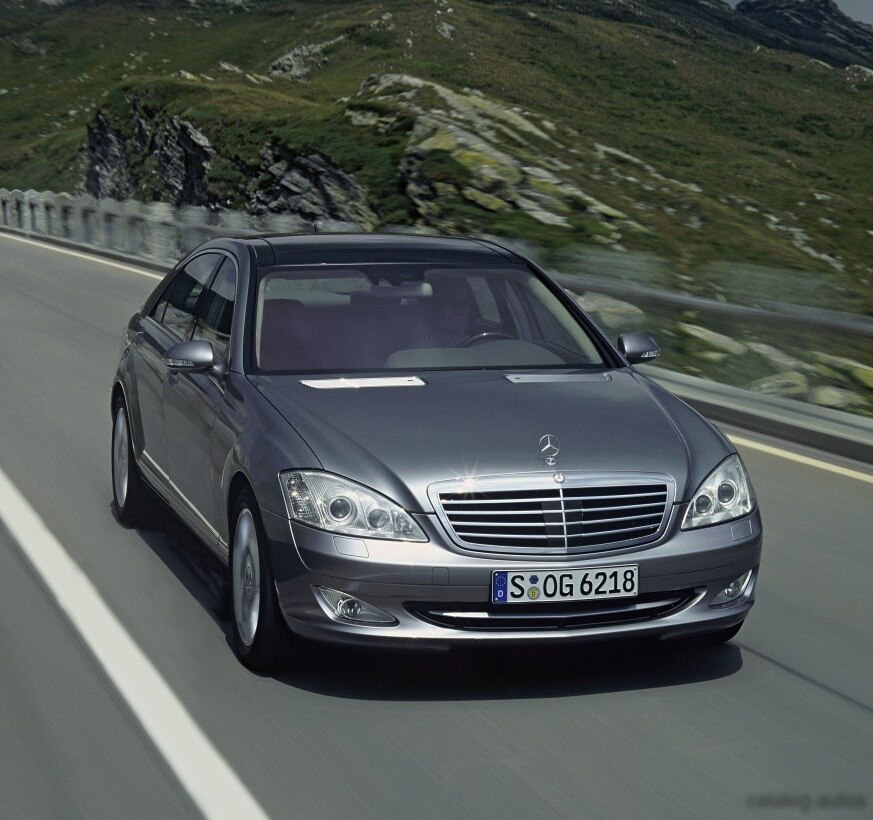
The Mercedes-Benz S 500 (W221), produced between 2005 and 2009, represented a significant iteration of the flagship S-Class sedan. Positioned as a high-performance variant within the W221 generation (which spanned from 2005-2013, built on the 221 platform), the S 500 offered a blend of luxury, technology, and substantial power. It sat above the S 350 and S 450 models in the lineup, offering a more potent engine and enhanced performance characteristics, while remaining below the ultra-luxury S 600 and performance-oriented S 63 AMG models. The combination of the 5.5-liter V8 engine and the 7G-TRONIC automatic transmission was a cornerstone of the S 500’s appeal, targeting buyers who desired a refined yet powerful driving experience.
Powertrain & Engine Architecture
The heart of the S 500 is the M273.961 5.5-liter naturally aspirated V8 engine. This engine, a key component of Mercedes-Benz’s engine family at the time, boasts a displacement of 5461 cubic centimeters (333.25 cubic inches). It produces 388 horsepower at 6000 rpm and 530 Nm (390.91 lb-ft) of torque at 2800 rpm. The engine features a compression ratio of 10.7:1 and utilizes a multi-port fuel injection system. The valvetrain is a double overhead camshaft (DOHC) design with four valves per cylinder, optimizing airflow for increased power output. The engine is longitudinally mounted in the front of the vehicle.
Paired with the M273 engine is the 7G-TRONIC seven-speed automatic transmission. This transmission, a significant advancement over previous Mercedes-Benz automatics, offered smoother shifts, improved fuel efficiency, and a wider range of gear ratios. The 7G-TRONIC utilizes a torque converter and planetary gearsets, controlled electronically for precise and responsive gear changes. It allowed for both fully automatic operation and manual gear selection via steering wheel-mounted paddles or the gear selector. The transmission was designed to handle the substantial torque output of the V8 engine while contributing to a more refined driving experience.
Engine Codes & Variations
While the M273.961 is the primary engine code for the S 500, slight variations existed depending on the specific market. These variations primarily concerned emissions control systems and minor software calibrations. However, the core engine architecture and performance characteristics remained consistent across most regions. The engine required 8.5 liters (8.98 US quarts or 7.48 UK quarts) of engine oil, specified to Mercedes-Benz standards, and 8.5 liters (8.98 US quarts or 7.48 UK quarts) of coolant.
Driving Characteristics
The S 500 delivered a driving experience characterized by effortless power and refined comfort. The 5.5-liter V8 provided strong acceleration, achieving 0-60 mph in approximately 5.1 seconds and a 0-100 km/h time of 5.4 seconds. The 7G-TRONIC transmission played a crucial role in maximizing the engine’s potential, providing quick and seamless gear changes. The gear ratios were tuned to balance acceleration with fuel efficiency, offering a comfortable cruising experience on the highway. Compared to the S 350, the S 500 offered a noticeably more responsive and engaging driving experience. While not as overtly sporty as the S 63 AMG, the S 500 provided ample power for confident overtaking and spirited driving. The rear-wheel drive configuration contributed to a balanced feel, although it could be challenged in low-traction conditions.
Equipment & Trim Levels
The S 500 came standard with a comprehensive array of luxury features. Interior appointments typically included high-quality leather upholstery, wood trim, and a sophisticated infotainment system. Standard features included automatic climate control, power-adjustable seats with memory function, a premium sound system, and a sunroof. Safety features were also abundant, including anti-lock brakes (ABS), electronic stability control, and a suite of airbags. Optional extras included features such as a rear-seat entertainment system, massaging seats, a panoramic sunroof, and advanced driver-assistance systems like Distronic adaptive cruise control and Parktronic parking assist. The exterior styling was typically understated and elegant, with chrome accents and distinctive Mercedes-Benz design cues.
Chassis & Braking
The W221 S-Class, including the S 500, featured an advanced chassis design focused on ride comfort and handling. Both front and rear suspension utilized an air suspension system, providing a smooth and controlled ride. The air suspension allowed for adjustable ride height and damping settings, further enhancing comfort and adaptability. The S 500 was equipped with ventilated disc brakes on all four wheels, providing ample stopping power. The anti-lock braking system (ABS) ensured stable braking performance under various conditions. Steering was via a rack and pinion system, offering precise and responsive control. The S 500 rode on 235/55 R17 tires mounted on 8J x 17 inch wheel rims.
Market Reception & Comparison
The S 500 was generally well-received by automotive critics, who praised its powerful engine, refined ride, and luxurious interior. However, some critics noted the relatively high fuel consumption compared to smaller-engined models. Fuel economy figures were rated at 11.7-11.9 l/100 km (20.1-19.8 US mpg, 24.1-23.7 UK mpg, 8.5-8.4 km/l) combined. Compared to the S 450, the S 500 offered a significant performance upgrade, justifying the higher price tag for buyers prioritizing power. Against the S 600, the S 500 represented a more accessible entry point into the top-tier S-Class experience, offering a similar level of luxury with a slightly less extravagant engine. Reliability was generally good, although the complex air suspension system could be prone to issues over time.
Technical Specifications
| Brand | Mercedes-Benz |
| Model | S-Class |
| Generation | S-Class (W221) |
| Type | S 500 (388 Hp) 7G-TRONIC |
| Start of Production | 2005 |
| End of Production | 2009 |
| Engine Type | Petrol (Gasoline) |
| Engine Model/Code | M 273.961 |
| Engine Displacement | 5461 cm3 (333.25 cu. in.) |
| Number of Cylinders | 8 |
| Engine Configuration | V-engine |
| Power | 388 Hp @ 6000 rpm |
| Torque | 530 Nm @ 2800 rpm (390.91 lb.-ft. @ 2800 rpm) |
| Compression Ratio | 10.7:1 |
| Fuel Injection System | Multi-port manifold injection |
| Transmission | 7-speed automatic (7G-TRONIC) |
| Drive Wheels | Rear wheel drive |
| Kerb Weight | 1865 kg (4111.62 lbs.) |
| Max. Weight | 2545 kg (5610.76 lbs.) |
| Fuel Tank Capacity | 90 l (23.78 US gal | 19.8 UK gal) |
| Trunk (Boot) Space | 560 l (19.78 cu. ft.) |
| Acceleration 0-100 km/h | 5.4 sec |
| Acceleration 0-60 mph | 5.1 sec |
| Maximum Speed | 250 km/h (155.34 mph) |
Legacy
The S 500 (W221) remains a desirable used luxury car, appreciated for its blend of performance, comfort, and technology. The M273 engine, while known for its complexity, is generally considered reliable when properly maintained. Common maintenance items include regular oil changes, coolant flushes, and inspection of the air suspension components. The 7G-TRONIC transmission is also relatively robust, but may require servicing over time. Today, the S 500 offers a compelling value proposition for buyers seeking a high-end luxury sedan at a more affordable price point. Its advanced features and powerful engine continue to provide a rewarding driving experience, cementing its place as a significant model in the Mercedes-Benz S-Class lineage.