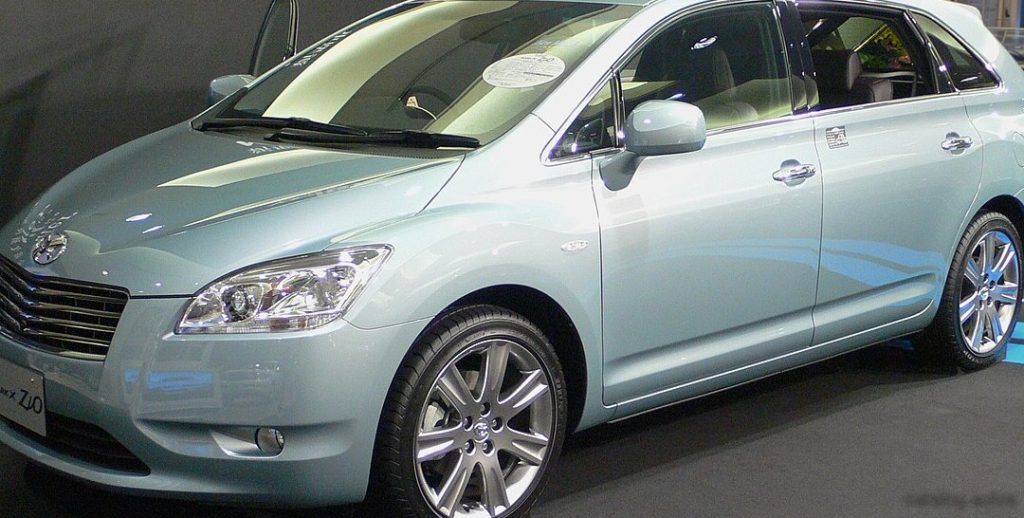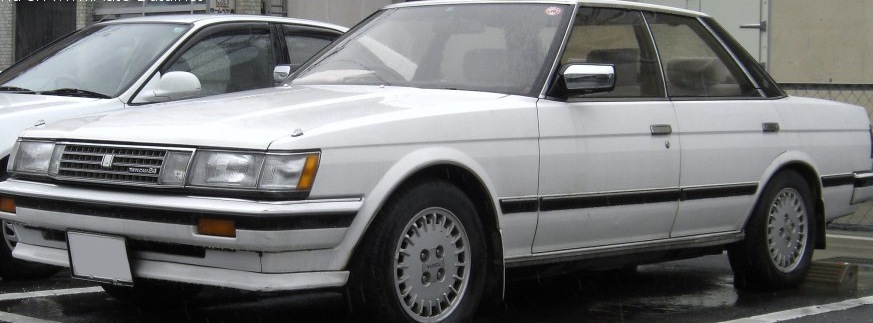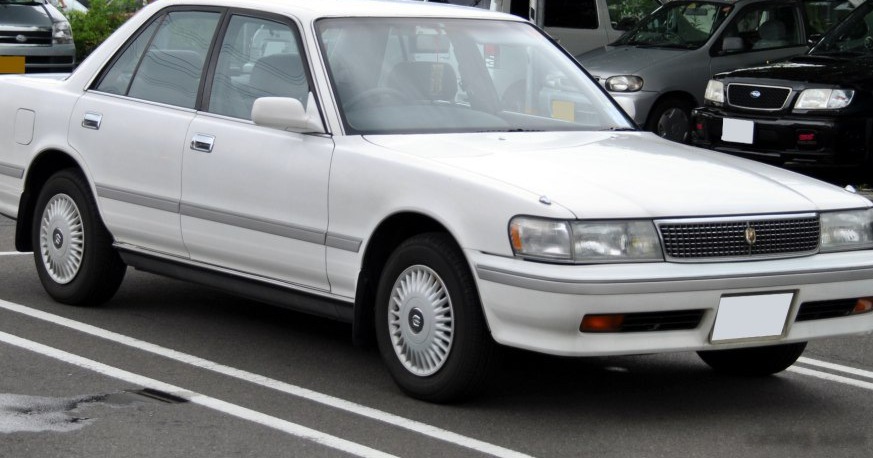
The Toyota Mark II GX81, produced between 1988 and 1992, represented a significant evolution in Toyota’s mid-size sedan offerings. This generation, part of the broader X80 series (though the GX81 is the most commonly recognized variant), aimed to blend comfort, practicality, and a degree of sporting character. The 2.0 i 24V (135 hp) trim, powered by the 1G-FE engine, occupied a middle ground within the GX81 lineup, positioned above the base models and below the more powerful, often turbocharged, variants. It was designed to appeal to buyers seeking a balance between performance and fuel efficiency, offering a more refined driving experience than the entry-level options while remaining more accessible than the higher-performance trims.
The 1G-FE 2.0L Engine in the GX81 Mark II
Powertrain & Engine Architecture
The heart of the GX81 2.0 i 24V was the 1G-FE engine, a 1988cc (2.0-liter) inline-six cylinder gasoline engine. This engine was part of Toyota’s ‘G’ family, known for its smoothness and reliability. The ‘FE’ designation indicated a fuel-efficient version, incorporating Toyota’s electronically controlled fuel injection (EFI) system. Specifically, the 1G-FE utilized a multi-point fuel injection system, delivering fuel directly to each intake port. This system, coupled with a relatively high 9.0:1 compression ratio, contributed to the engine’s 135 horsepower output at 5,600 rpm and 132 lb-ft of torque at 4,400 rpm. The engine featured a double overhead camshaft (DOHC) valvetrain with four valves per cylinder (24V), enhancing breathing and contributing to improved power delivery across the rev range. The block was cast iron, providing durability, while the cylinder head was aluminum alloy, reducing weight. The 1G-FE was known for its relatively quiet operation and smooth power delivery, characteristics valued in the Mark II’s target market.
Transmission and Drivetrain
The GX81 2.0 i 24V was typically paired with a four-speed automatic transmission. This transmission was electronically controlled, offering smoother shifts and improved fuel efficiency compared to older hydraulic systems. While a five-speed manual transmission was available on some GX81 models, it was less common with the 1G-FE engine, as the automatic was considered more aligned with the trim’s focus on comfort and ease of driving. The drivetrain was rear-wheel drive (RWD), a configuration favored for its handling balance and driving dynamics. This RWD layout, combined with the inline-six engine, contributed to the Mark II’s reputation as a driver’s car, even in its more moderate trims.
Driving Characteristics of the 2.0L Automatic
The GX81 2.0 i 24V with the automatic transmission offered a comfortable and refined driving experience. Acceleration was adequate for everyday driving, with the 135 hp engine providing sufficient power for highway merging and overtaking. However, it wasn’t a particularly sporty performer compared to the turbocharged variants or even the manual transmission versions of the 2.0L. The automatic transmission’s gear ratios were tuned for fuel efficiency and smooth operation, rather than outright performance. The transmission typically shifted smoothly and predictably, but lacked the responsiveness of a manual gearbox. The rear-wheel-drive configuration provided balanced handling, although the suspension setup was geared more towards comfort than aggressive cornering. The steering was light and precise, making the car easy to maneuver in urban environments. Compared to the 1.8L base models, the 2.0L offered a noticeable improvement in power and responsiveness, while remaining more affordable and fuel-efficient than the 2.4L or turbocharged options.
Equipment & Trim Levels
The GX81 2.0 i 24V typically came equipped with a reasonable level of standard features. Interior upholstery was usually cloth, available in various colors, though leather options were available as upgrades. The dashboard featured a straightforward layout with analog gauges for speed, tachometer, fuel level, and coolant temperature. Power windows and door locks were standard, as was air conditioning. Higher-spec versions of the 2.0 i 24V could include features such as power seats, a sunroof, upgraded audio systems (often with a cassette player), and alloy wheels. The trim level often dictated the exterior detailing, with chrome accents and body-colored bumpers becoming more prevalent on higher-end models. Optional extras included anti-lock brakes (ABS), which were not standard on all trims, and a limited-slip differential (LSD), enhancing traction.
Chassis & Braking
The GX81 Mark II utilized a MacPherson strut front suspension and a multi-link rear suspension. This suspension setup provided a good balance between ride comfort and handling. The suspension was tuned to prioritize comfort, resulting in a relatively soft ride quality. Stabilizer bars were fitted to both the front and rear axles to reduce body roll during cornering. Braking was typically accomplished with ventilated disc brakes on the front wheels and drum brakes on the rear wheels. ABS was an optional extra, and its presence significantly improved braking performance, particularly in slippery conditions. The steering system was a rack-and-pinion setup, providing precise and responsive steering feel. The chassis was robust and well-built, contributing to the Mark II’s overall durability and longevity.
Market Reception & Comparison
The GX81 2.0 i 24V was generally well-received by automotive critics as a comfortable, reliable, and well-equipped mid-size sedan. It was praised for its smooth engine, refined ride quality, and spacious interior. However, it was often criticized for its lack of outright performance compared to the more powerful trims. Fuel economy was considered good for its class, averaging around 22-26 mpg in mixed driving conditions. Compared to its siblings, the 2.0 i 24V offered a compelling value proposition. The base 1.8L models were significantly less powerful, while the 2.4L and turbocharged variants were considerably more expensive. The 1G-FE engine proved to be exceptionally reliable, with many examples exceeding 200,000 miles with proper maintenance. Competitors at the time included the Nissan Maxima, Honda Accord, and Mazda 626, all of which offered similar levels of comfort and features.
Technical Specifications
| Engine Code | 1G-FE |
| Engine Type | Inline-Six, Gasoline |
| Displacement | 1988 cc (2.0 L) |
| Horsepower | 135 hp @ 5,600 rpm |
| Torque | 132 lb-ft @ 4,400 rpm |
| Compression Ratio | 9.0:1 |
| Fuel Injection | Multi-point EFI |
| Valvetrain | DOHC, 24 Valves |
| Transmission | 4-Speed Automatic (typically) |
| Drivetrain | Rear-Wheel Drive |
| Front Suspension | MacPherson Strut |
| Rear Suspension | Multi-Link |
| Front Brakes | Ventilated Discs |
| Rear Brakes | Drums |
| Engine Oil Capacity | 4.1 liters (4.33 US qt / 3.61 UK qt) |
Legacy
The GX81 2.0 i 24V, and the 1G-FE engine in particular, has earned a reputation for exceptional reliability and longevity. Many examples remain on the road today, a testament to Toyota’s engineering prowess. In the used car market, these models are often sought after by enthusiasts who appreciate their classic styling, comfortable ride, and dependable powertrain. While not a high-performance machine, the 2.0 i 24V offers a unique blend of practicality, comfort, and durability that continues to appeal to a wide range of buyers. Maintenance is relatively straightforward, and parts availability remains good, making these cars relatively easy to keep running. The 1G-FE engine is known to be tolerant of neglect, although regular maintenance is still crucial for ensuring long-term reliability. The GX81 Mark II 2.0 i 24V represents a significant chapter in Toyota’s history, embodying the company’s commitment to quality and innovation.