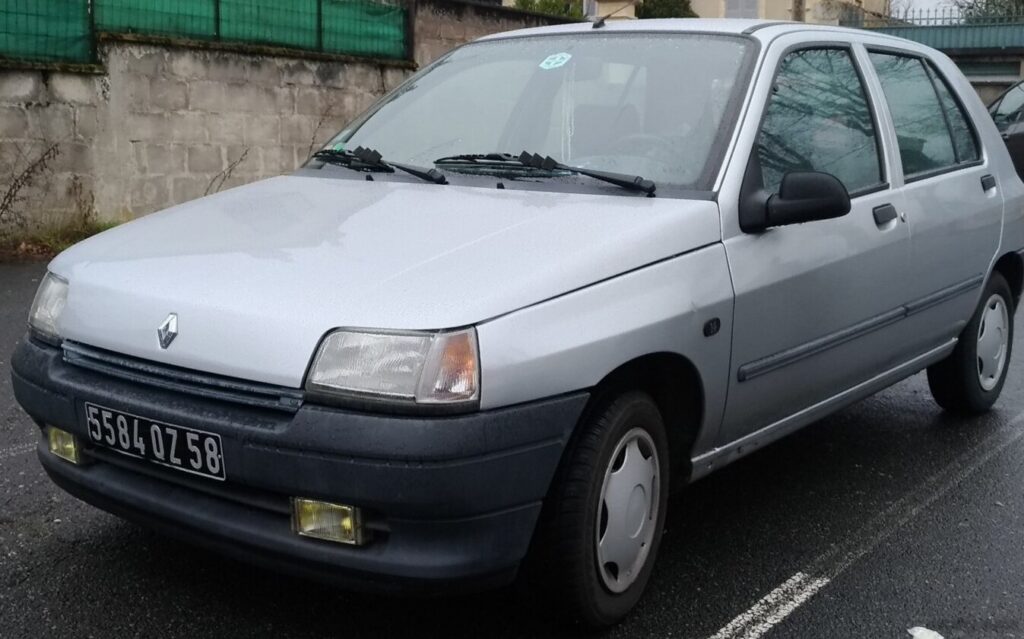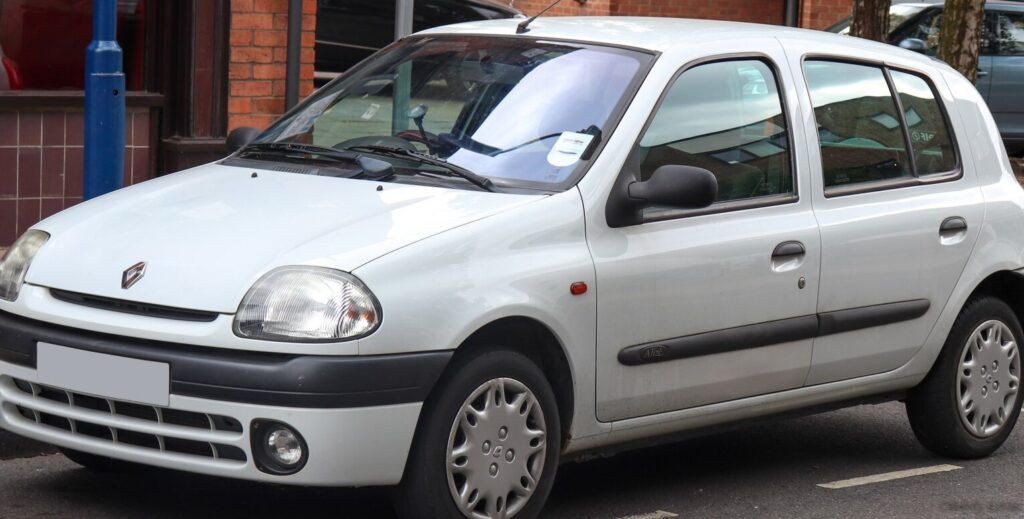
The Renault Clio II (Phase I) 1.2, produced from 1998 to 2000, represented the entry point into the second generation of Renault’s popular supermini. This 5-door hatchback, powered by a 1.2-liter engine producing 58 horsepower, was designed to offer affordable and practical transportation for a broad customer base. It was positioned as the most economical and accessible variant within the Phase I Clio II range, sitting below the 1.4 and 1.6-liter models, and significantly differing from performance-oriented versions like the Renault Sport models that would follow. The Clio II, built on the B platform (also known as the 1HX0 platform), marked a significant step forward in terms of design, safety, and overall refinement compared to its predecessor.
Powertrain & Engine Architecture
The heart of the Clio II 1.2 was the Renault D7F engine, a naturally aspirated, inline-four cylinder petrol engine with a displacement of 1149 cc (70.12 cubic inches). This engine utilized a multi-port fuel injection system, delivering fuel directly into the intake ports. The D7F featured an overhead camshaft (OHC) valvetrain with two valves per cylinder. The compression ratio was set at 9.65:1. Engine oil capacity was 3.7 liters (3.91 US quarts), and the recommended coolant capacity was 5 liters (5.28 US quarts).
Crucially, the 1.2-liter engine was almost exclusively paired with a five-speed manual transmission during this period. However, a three-speed automatic transmission was offered as an option, though less common. This automatic gearbox, while providing convenience, impacted performance and fuel economy compared to the manual version. The automatic transmission was a conventional hydraulic automatic, known for its relatively simple construction and ease of maintenance, but lacking the efficiency of more modern automatic designs.
Engine Code Specifics
The D7F engine code is central to understanding this variant. Early versions of the D7F (pre-1999) sometimes exhibited issues with oil consumption, though these were generally addressed with minor revisions. The engine’s relatively simple design made it generally reliable, but regular maintenance, including oil changes and timing belt replacements, were crucial for longevity. The engine’s modest power output meant it wasn’t stressed as heavily as higher-performance variants, contributing to its overall durability.
Driving Characteristics
The Clio II 1.2, particularly when equipped with the optional automatic transmission, offered a decidedly unhurried driving experience. Acceleration from 0 to 100 km/h (0-62 mph) took approximately 15 seconds, and a 0-60 mph sprint was completed in around 14.3 seconds. The maximum speed was limited to 160 km/h (99.42 mph). The power delivery was linear but lacked significant punch, requiring the engine to be revved to extract its maximum potential. The automatic transmission, while smooth in operation, contributed to a noticeable delay in response and a less engaging driving feel compared to the manual gearbox.
The gear ratios in the automatic transmission were optimized for fuel efficiency rather than performance. This resulted in a relatively high cruising speed in top gear, but also meant that overtaking maneuvers required careful planning. Compared to the 1.4 and 1.6-liter models, the 1.2 felt noticeably slower, especially when fully loaded with passengers and luggage. The manual transmission version offered a more responsive and engaging experience, allowing drivers to better utilize the engine’s limited power.
Equipment & Trim Levels
The Clio II 1.2 typically came with a basic level of equipment, reflecting its position as the entry-level model. Standard features generally included power steering, central locking, and front airbags. Interior upholstery was typically cloth, with a simple dashboard layout. Air conditioning, electric windows, and alloy wheels were usually offered as optional extras. Trim levels varied slightly depending on the market, but generally followed a progressive structure, with higher trims adding more comfort and convenience features.
The interior of the 1.2 was functional and practical, prioritizing space and usability over luxury. The rear seats offered reasonable legroom for passengers, and the 5-door configuration provided easy access to the cabin. The trunk (boot) space was a respectable 255 liters (9.01 cubic feet) with the rear seats up, expanding to 1035 liters (36.55 cubic feet) when folded down.
Chassis & Braking
The Clio II 1.2 utilized a MacPherson strut independent suspension at the front and a coil spring torsion beam suspension at the rear. This suspension setup provided a comfortable ride quality, absorbing bumps and imperfections in the road surface effectively. The front brakes were discs, while the rear brakes were drums. Anti-lock Braking System (ABS) was available as an option, enhancing braking performance and safety. The steering was a hydraulic power steering system, providing light and easy steering input.
The relatively light weight of the Clio II 1.2 (900 kg / 1984.16 lbs) helped to offset the engine’s modest power output. The suspension was tuned for comfort rather than sporty handling, resulting in a slight degree of body roll during cornering. Tire size was typically 165/65 R14, mounted on 5.5J x 14 inch steel or alloy wheels.
Market Reception & Comparison
The Clio II 1.2 was generally well-received as an affordable and practical city car. Critics praised its fuel economy (7.9 l/100 km urban, 5.2 l/100 km extra-urban) and its comfortable ride. However, the engine’s lack of power was a common criticism, particularly when compared to the more powerful 1.4 and 1.6-liter models. The automatic transmission version was often criticized for its sluggish performance and reduced fuel economy.
Compared to rivals such as the Peugeot 206 and the Ford Fiesta, the Clio II 1.2 offered a competitive package in terms of price, fuel economy, and practicality. However, some competitors offered more refined interiors or more engaging driving experiences. The Clio II 1.2’s strength lay in its affordability and its reputation for reliability, making it a popular choice for first-time car buyers and those seeking a low-cost, low-maintenance vehicle.
Technical Specifications
| Brand | Renault |
| Model | Clio |
| Generation | Clio II (Phase I) 5-door |
| Type (Engine) | 1.2 (58 Hp) |
| Start of production | 1998 |
| End of production | 2000 |
| Engine Displacement | 1149 cm3 (70.12 cu. in.) |
| Engine Model/Code | D7F |
| Number of Cylinders | 4 |
| Engine Configuration | Inline |
| Power | 58 Hp @ 5250 rpm |
| Torque | 93 Nm @ 2500 rpm (68.59 lb.-ft. @ 2500 rpm) |
| Fuel Type | Petrol (Gasoline) |
| Acceleration 0-100 km/h | 15 sec |
| Maximum Speed | 160 km/h (99.42 mph) |
| Kerb Weight | 900 kg (1984.16 lbs) |
| Fuel Consumption (Urban) | 7.9 l/100 km (29.8 US mpg) |
| Fuel Consumption (Extra-Urban) | 5.2 l/100 km (45.2 US mpg) |
| Fuel Tank Capacity | 50 l (13.21 US gal) |
| Trunk (Boot) Space (Minimum) | 255 l (9.01 cu. ft.) |
| Trunk (Boot) Space (Maximum) | 1035 l (36.55 cu. ft.) |
Legacy
The Renault Clio II 1.2, particularly the D7F engine, has proven to be a relatively durable and reliable powertrain. While not known for its performance, the engine’s simplicity and robust construction have contributed to its longevity. Today, examples of the Clio II 1.2 are increasingly rare, and those that remain are typically high-mileage vehicles.
In the used car market, the Clio II 1.2 is valued for its affordability and low running costs. However, potential buyers should be aware of the possibility of age-related issues, such as corrosion and wear and tear on suspension components. The automatic transmission version, while offering convenience, may require more frequent maintenance than the manual version. Overall, the Clio II 1.2 remains a viable option for those seeking a cheap and cheerful city car, provided it has been well-maintained throughout its life.