
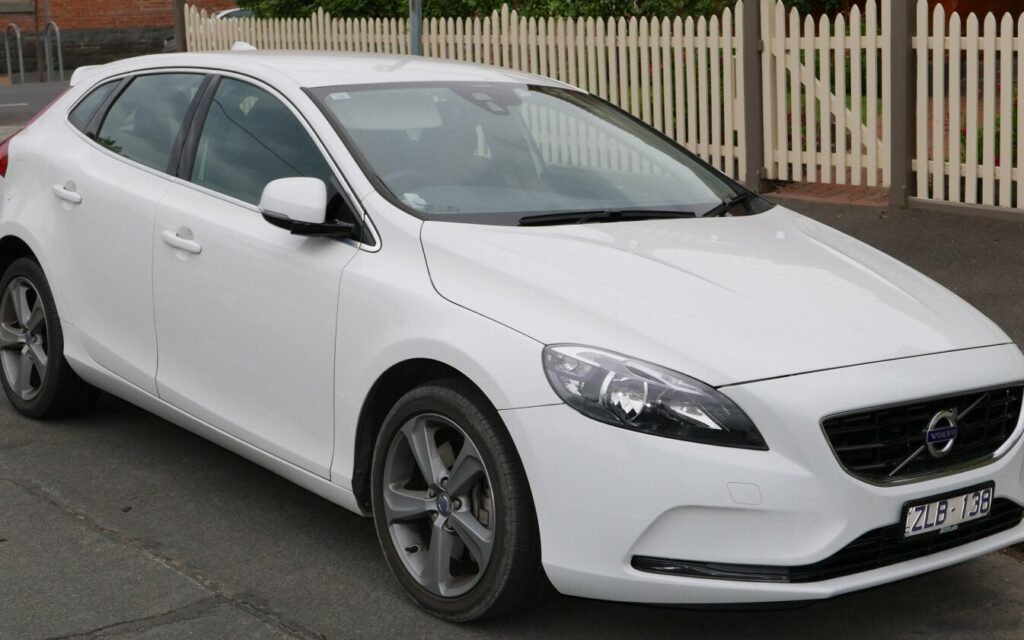
The Volvo V40 T3 2.0, produced from 2015 to 2016, represents a key variant within the second generation of Volvo’s compact hatchback, the V40 series (introduced in 2012). Built on the C/D segment 1HX0/A3 platform shared with Ford, the T3 model occupied a mid-range position in the V40 lineup, offering a balance between performance, fuel efficiency, and affordability. It served as a stepping stone between the base-level T2 engine and the more powerful T4 and T5 variants. The V40 aimed to attract a younger demographic with its stylish design and focus on safety technology, and the T3 trim played a significant role in achieving that goal.
Powertrain & Engine Architecture
The heart of the V40 T3 is Volvo’s B4204T37 2.0-liter inline-four cylinder gasoline engine. This engine is a member of Volvo’s VEA (Volvo Engine Architecture) family, designed for modularity and efficiency. The B4204T37 utilizes direct fuel injection, a technology that improves combustion efficiency and power output. It’s turbocharged and intercooled, allowing for a relatively high power density despite its modest displacement. The turbocharger provides increased air intake to the engine, boosting performance. The engine produces 152 horsepower at 5000 rpm and 250 Nm (184.39 lb-ft) of torque between 1300 and 4000 rpm. This broad torque curve contributes to good drivability in everyday situations.
The V40 T3 was primarily offered with a 6-speed manual transmission, driving the front wheels. While an automatic transmission was available in some markets, the manual was the more common configuration. The engine features a double overhead camshaft (DOHC) valvetrain with four valves per cylinder, optimizing airflow for improved performance. Engine oil capacity is 5.9 liters (6.23 US quarts), and Volvo specified a particular oil grade for optimal performance and longevity. The compression ratio is 11.3:1, a relatively high figure that contributes to efficiency but requires premium fuel in some regions.
Fuel Injection and Turbocharging
The direct injection system in the B4204T37 is a crucial element of its performance. Unlike port fuel injection, where fuel is sprayed into the intake manifold, direct injection sprays fuel directly into the combustion chamber. This allows for more precise fuel control, improved combustion, and reduced emissions. The turbocharger is a key component in boosting power output. It utilizes exhaust gases to spin a turbine, which in turn compresses intake air, forcing more oxygen into the engine. The intercooler cools the compressed air, further increasing its density and improving combustion efficiency.
Driving Characteristics
The V40 T3 offers a balanced driving experience. While not as overtly sporty as the T5 model, it provides sufficient power for comfortable cruising and overtaking. Acceleration from 0 to 100 km/h (0-62 mph) takes approximately 8.3 seconds, and 0-60 mph is achieved in around 7.9 seconds. The broad torque band means that the engine feels responsive at lower speeds, making it well-suited for urban driving. The 6-speed manual transmission provides precise gear changes and allows the driver to maintain control over the engine’s power delivery. Compared to the more powerful T4 and T5 models, the T3 feels less urgent in its acceleration, but it offers a more fuel-efficient and relaxed driving experience.
The gear ratios in the 6-speed manual transmission are well-chosen to maximize both acceleration and fuel economy. First gear is relatively short, providing good off-the-line acceleration, while higher gears are geared for efficient cruising. The turbocharger does exhibit some lag at lower engine speeds, but it quickly spools up as the engine revs climb. Overall, the V40 T3 provides a refined and enjoyable driving experience, particularly for drivers who prioritize comfort and fuel efficiency over outright performance.
Equipment & Trim Levels
The V40 T3 typically came equipped with a respectable level of standard features. These included air conditioning, power windows and mirrors, a multi-function steering wheel, and a basic audio system. Safety features were a major selling point for the V40, and the T3 included standard equipment such as ABS brakes, electronic stability control, and multiple airbags. Higher trim levels offered additional features such as leather upholstery, a premium audio system, a navigation system, and parking sensors. Optional extras included a sunroof, heated seats, and a rear-view camera.
Interior upholstery in the base T3 models was typically cloth, while higher trims offered leather options. The dashboard layout was modern and functional, with a focus on ergonomics. The instrument cluster featured clear and easy-to-read gauges. The V40’s interior was generally well-regarded for its quality and attention to detail.
Chassis & Braking
The V40 T3 utilizes an independent McPherson strut suspension at the front and an independent coil spring suspension at the rear. This suspension setup provides a comfortable ride and good handling characteristics. The front suspension incorporates an anti-roll bar to reduce body roll during cornering. The braking system consists of ventilated discs at the front and solid discs at the rear. ABS (Anti-lock Braking System) is standard, providing enhanced braking performance and stability in emergency situations. The steering system is a rack and pinion type, offering precise and responsive steering feel.
The suspension tuning is geared towards comfort, but it still provides adequate control in corners. The V40 T3’s relatively low weight contributes to its nimble handling. The braking system is generally effective, providing ample stopping power for everyday driving.
Market Reception & Comparison
The Volvo V40 T3 was generally well-received by automotive critics. It was praised for its stylish design, comfortable ride, and fuel efficiency. However, some critics noted that the engine lacked the outright performance of its rivals. Compared to other trims in the V40 lineup, the T3 offered a more affordable entry point into the model range. It provided a good balance between performance and economy, making it a popular choice for drivers who didn’t need the extra power of the T4 or T5 models. Fuel economy is rated at 5.5 l/100 km (42.8 US mpg, 51.4 UK mpg), and CO2 emissions are 127 g/km.
In terms of reliability, the V40 T3 has generally proven to be a reliable vehicle. However, like any car, it is susceptible to certain common issues, such as problems with the turbocharger and fuel injection system. Regular maintenance is essential to ensure long-term reliability.
Technical Specifications
| Body Type | Hatchback, 5 Doors, 5 Seats |
| Engine Type | 2.0 T3 (152 Hp) Petrol (Gasoline) |
| Engine Displacement | 1969 cm3 (120.16 cu. in.) |
| Number of Cylinders | 4, Inline |
| Power | 152 Hp @ 5000 rpm |
| Torque | 250 Nm (184.39 lb.-ft.) @ 1300-4000 rpm |
| Fuel Consumption (Combined) | 5.5 l/100 km (42.8 US mpg, 51.4 UK mpg) |
| CO2 Emissions | 127 g/km |
| Acceleration 0-100 km/h | 8.3 sec |
| Acceleration 0-62 mph | 8.3 sec |
| Maximum Speed | 210 km/h (130.49 mph) |
| Fuel Tank Capacity | 62 l (16.38 US gal, 13.64 UK gal) |
| Trunk (Boot) Space (Minimum) | 324 l (11.44 cu. ft.) |
| Length | 4369 mm (172.01 in.) |
| Width | 1857 mm (73.11 in.) |
| Height | 1439 mm (56.65 in.) |
| Wheelbase | 2647 mm (104.21 in.) |
| Gearbox | 6 gears, manual transmission |
Legacy
The Volvo V40 T3 2.0 has established itself as a solid and reliable used car option. Its combination of fuel efficiency, comfortable ride, and stylish design continues to appeal to buyers. While it may not offer the same level of performance as some of its rivals, it provides a practical and enjoyable driving experience. The B4204T37 engine, when properly maintained, is known for its durability. As a result, the V40 T3 remains a popular choice in the used car market, offering a good value proposition for buyers seeking a compact hatchback with a reputation for safety and reliability.
