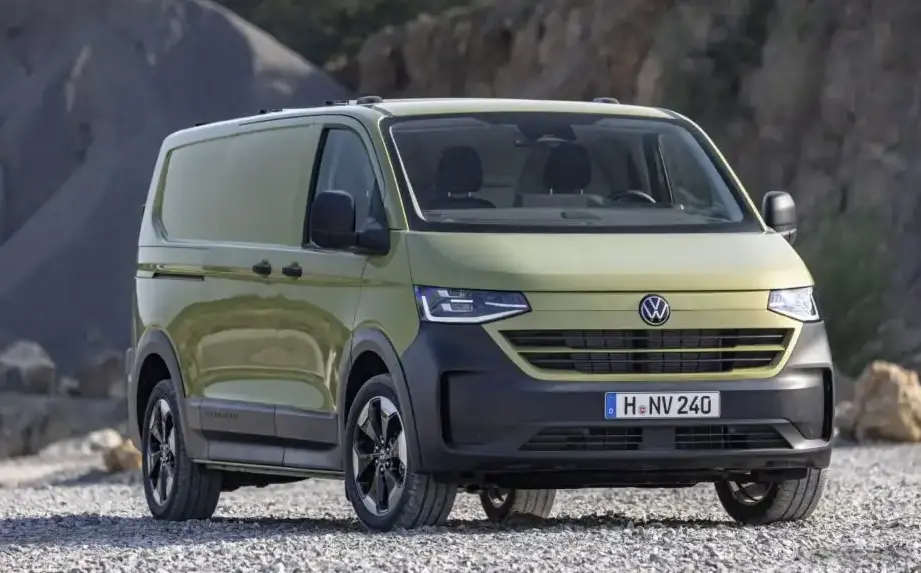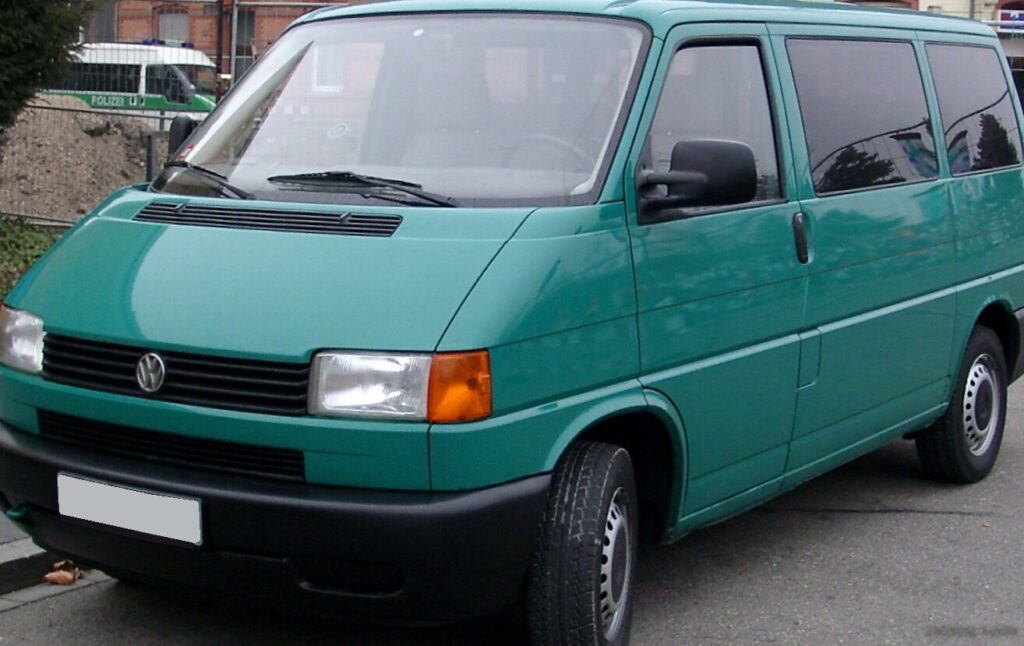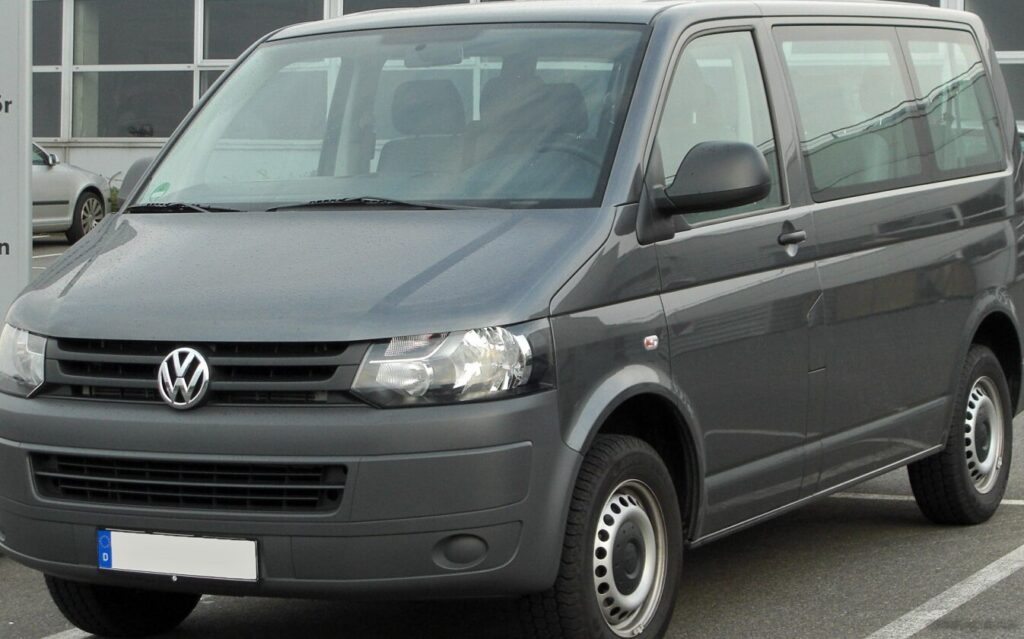
The Volkswagen Transporter (T5) facelift, produced from 2009 to 2015, represented a significant update to the fifth generation of Volkswagen’s popular commercial vehicle. Within this generation, the Kombi variant offered a blend of cargo capacity and passenger comfort, catering to both commercial and family needs. The 2.0 TDI BMT (Bi-Motion Technology) with 180 horsepower and a 7-speed Direct-Shift Gearbox (DSG), designated as the L2H3 configuration, was introduced in 2012 and continued through 2015. This specific engine and transmission pairing occupied a mid-to-upper position in the T5 Kombi lineup, offering a balance of performance, fuel efficiency, and refinement compared to lower-powered diesel options and the gasoline-powered variants.
Volkswagen Transporter T5 (2009-2015) Kombi 2.0 TDI BMT: An Overview
The T5 facelift brought cosmetic and mechanical revisions to the Transporter range, including updated front-end styling, interior improvements, and the introduction of more efficient engines. The Kombi body style, characterized by its flexible seating arrangements and increased passenger space compared to the panel van, made it a versatile choice for businesses requiring mobile workshops, shuttle services, or larger families needing a practical vehicle. The 2.0 TDI BMT 180 hp DSG L2H3 model was positioned as a premium offering within the Kombi range, appealing to buyers who prioritized performance and a more sophisticated driving experience.
Powertrain & Engine Architecture
The heart of this Transporter variant is the EA189 series 2.0-liter four-cylinder diesel engine, specifically the CFCA engine code. This engine utilizes common rail direct injection, delivering fuel directly into the combustion chamber at extremely high pressure for improved efficiency and reduced emissions. The “BMT” designation signifies the inclusion of Volkswagen’s Bi-Motion Technology, which incorporates a variable geometry turbocharger (VGT) and an intercooler. The VGT adjusts the turbine vanes to optimize airflow for both low-end torque and high-end power. The intercooler cools the compressed air from the turbocharger, increasing its density and further enhancing performance. The engine produces 180 hp (132 kW) at 4000 rpm and 400 Nm (295 lb-ft) of torque between 1500 and 2000 rpm. The 7-speed DSG transmission is a dual-clutch automated manual transmission known for its quick and smooth gear changes. It offers both fully automatic operation and the ability for the driver to manually select gears via the shift lever or steering wheel-mounted paddles. The DSG’s gear ratios are optimized to provide strong acceleration and efficient cruising.
Driving Characteristics
The 2.0 TDI BMT 180 hp DSG combination delivers a noticeable improvement in performance compared to the lower-powered diesel options available in the T5 Kombi range. The 400 Nm of torque, readily available from 1500 rpm, provides strong pulling power, making it well-suited for carrying heavy loads or towing trailers. The DSG transmission contributes to a responsive driving experience, with quick and seamless gear changes. Acceleration from 0 to 100 km/h (0-62 mph) takes approximately 10.6 seconds, and the vehicle has a top speed of 176 km/h (109 mph). While not a sports van, the 180 hp engine provides ample power for overtaking maneuvers and maintaining comfortable cruising speeds on highways. Compared to the 140 hp TDI, the 180 hp version feels significantly more effortless, especially when fully loaded. The DSG transmission, while generally smooth, can exhibit some low-speed jerkiness in certain situations, a characteristic sometimes noted in earlier DSG units.
Equipment & Trim Levels
The 2.0 TDI BMT 180 hp DSG L2H3 Kombi typically came equipped with a generous level of standard features. These included air conditioning, power windows, central locking, an audio system with CD player, and driver and passenger airbags. Higher trim levels offered additional features such as alloy wheels, parking sensors, a multi-function steering wheel, cruise control, and upgraded interior upholstery. Interior trim options ranged from basic cloth to more premium materials. The Kombi configuration allowed for flexible seating arrangements, with options for multiple rows of seats and various configurations to accommodate up to nine passengers. Optional extras included a navigation system, a rear parking camera, and various comfort and convenience packages.
Chassis & Braking
The T5 Kombi’s chassis is based on a reinforced monocoque construction, providing a good balance of strength and rigidity. The front suspension utilizes independent McPherson struts with coil springs and an anti-roll bar, while the rear suspension employs a semi-independent trailing arm setup with coil springs and a transverse stabilizer bar. This suspension configuration provides a comfortable ride quality, even when the vehicle is loaded. The braking system consists of ventilated disc brakes on all four wheels, providing ample stopping power. Anti-lock Braking System (ABS) is standard, enhancing safety and stability during emergency braking. The L2H3 designation refers to the vehicle’s length and height; L2 indicates a medium wheelbase, and H3 denotes a high roof. This configuration provides a generous amount of cargo space and headroom.
Market Reception & Comparison
The 2.0 TDI BMT 180 hp DSG L2H3 Kombi was generally well-received by automotive critics. It was praised for its strong performance, fuel efficiency, and refined driving experience. Fuel economy figures, according to the NEDC testing cycle, were around 7.7 l/100 km (30.5 US mpg) combined. Compared to the lower-powered TDI variants, the 180 hp version offered a significant performance upgrade with a relatively modest increase in fuel consumption. Compared to the gasoline-powered T5s, the 2.0 TDI BMT offered superior fuel economy and torque. However, the diesel engine was generally more expensive to purchase initially. Reliability was generally good, although some owners reported issues with the DSG transmission, particularly in early production units. Regular maintenance and fluid changes were crucial for ensuring the longevity of the DSG.
Technical Specifications
| Brand | Volkswagen |
| Model | Transporter (T5, facelift 2009) Kombi |
| Type | 2.0 TDI BMT (180 Hp) DSG L2H3 |
| Start of production | 2012 |
| End of production | 2015 |
| Engine | EA189 / CFCA |
| Engine Displacement | 1968 cm3 (120.09 cu. in.) |
| Number of Cylinders | 4, Inline |
| Power | 180 Hp @ 4000 rpm |
| Torque | 400 Nm @ 1500-2000 rpm (295.02 lb.-ft.) |
| Fuel Consumption (Urban) | 8.6 l/100 km (27.4 US mpg) |
| Fuel Consumption (Extra Urban) | 7.1 l/100 km (33.1 US mpg) |
| Fuel Consumption (Combined) | 7.7 l/100 km (30.5 US mpg) |
| CO2 Emissions | 203 g/km |
| Transmission | 7-speed DSG |
| Kerb Weight | 1901 kg (4190.99 lbs.) |
| Max. Weight | 2800-3200 kg (6172.94 – 7054.79 lbs.) |
| Fuel Tank Capacity | 80 l (21.13 US gal) |
| Acceleration 0-100 km/h | 10.6 sec |
| Maximum Speed | 176 km/h (109.36 mph) |
Legacy
The 2.0 TDI BMT 180 hp DSG powertrain proved to be a popular choice in the T5 Transporter range. While the EA189 engine series was later subject to scrutiny regarding emissions compliance (Dieselgate), well-maintained examples of this engine continue to provide reliable service. On the used car market, T5 Kombis equipped with this engine and transmission combination command a premium compared to lower-powered variants. The DSG transmission, while potentially requiring more frequent maintenance than a traditional automatic, offers a smooth and efficient driving experience when properly cared for. The T5 Kombi 2.0 TDI BMT 180 hp DSG L2H3 remains a versatile and practical vehicle, appealing to a wide range of buyers seeking a blend of performance, fuel efficiency, and functionality.