
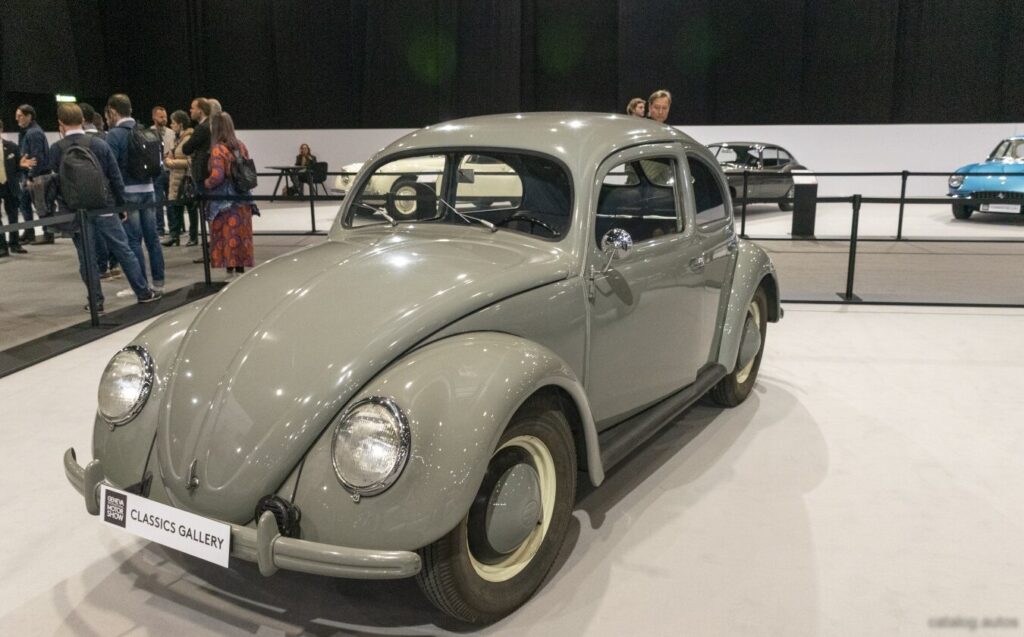
The Volkswagen Käfer 1303 1.2, often referred to as the Super Beetle, produced between 1972 and 1976, represents a significant evolution of the original Volkswagen Beetle. This variant, characterized by its 1.2-liter engine producing 34 horsepower, occupied the entry-level position within the 1303 series, offering a more modern and comfortable driving experience compared to earlier Beetle models while remaining an affordable transportation option. The 1303 designation refers to the internal Volkswagen production code for this generation, which featured a redesigned chassis and body, offering increased interior space and improved suspension geometry. It was a key part of Volkswagen’s continued effort to modernize the iconic Beetle while retaining its core characteristics.
The 1.2L Käfer 1303: A Detailed Overview
The 1303 Super Beetle was designed to address criticisms leveled at the original Beetle, particularly regarding its cramped interior and limited suspension travel. The 1303 featured a curved windshield, replacing the split window of earlier models, and a larger rear window, significantly improving visibility. The chassis was extensively reworked, incorporating a MacPherson strut front suspension and a redesigned rear suspension, resulting in a smoother and more controlled ride. The 1.2-liter engine variant, while the least powerful option in the 1303 lineup, was specifically targeted at buyers seeking economical transportation and ease of use. It was often favored by drivers who prioritized fuel efficiency and simplicity over outright performance.
Powertrain & Engine Architecture
The heart of the 1303 1.2 is a naturally aspirated, air-cooled, flat-four engine, internally designated as the Type 126. This engine displaced 1192cc (1.2 liters) and produced 34 horsepower (25 kW) at 4000 rpm. The engine utilized a simple pushrod valvetrain operating two valves per cylinder. Fuel delivery was managed by a single Solex C28/30 carburetor, a common setup for Volkswagen engines of this era. The compression ratio was 7.8:1. The engine’s design prioritized reliability and ease of maintenance over high performance. The engine block and cylinder heads were constructed from aluminum alloy, contributing to a relatively lightweight powertrain. Cooling was achieved through a fan housed within a shroud, directing airflow over the cylinder fins. The engine was mounted in the rear of the vehicle, driving the rear wheels.
Unlike later, more powerful 1303 variants, the 1.2L engine was exclusively paired with a four-speed manual transmission. An automatic transmission was *not* offered with this engine size. The transmission was a fully synchronized unit, providing smoother gear changes compared to earlier, non-synchronized gearboxes. The gear ratios were optimized for fuel economy and low-speed drivability, reflecting the intended use of this variant as an economical commuter vehicle. The final drive ratio was typically 4.12:1.
Driving Characteristics
The driving experience in a 1303 1.2 is characterized by its simplicity and ease of operation. Acceleration is modest, with a 0-60 mph time estimated to be around 18-20 seconds. Top speed is approximately 85 mph (137 km/h), although sustaining such speeds for extended periods is not recommended due to the engine’s limited power output. The four-speed manual transmission requires frequent shifting, particularly when encountering hills or overtaking other vehicles. However, the light clutch and precise gear changes make the process relatively effortless. The redesigned suspension of the 1303 provides a significantly more comfortable ride than earlier Beetles, absorbing bumps and imperfections in the road surface more effectively. Steering is precise, although it requires a moderate amount of effort. The rear-engine layout contributes to a distinctive handling characteristic, with a tendency towards oversteer if pushed hard. However, for typical urban driving, the 1.2L variant offers a predictable and manageable driving experience.
Equipment & Trim Levels
The 1303 1.2 was typically equipped with basic, functional interior appointments. Standard features included cloth upholstery, vinyl floor covering, and a simple dashboard with a speedometer and fuel gauge. The steering wheel was a two-spoke design. Heating was standard, but air conditioning was not available on this base model. The exterior featured chrome bumpers, hubcaps, and window trim. Optional extras included a radio, whitewall tires, and upgraded upholstery. The interior space was noticeably larger than that of earlier Beetles, providing more headroom and legroom for both front and rear passengers. The redesigned dashboard offered a more modern and ergonomic layout. The 1303 1.2 was generally offered in a limited range of solid colors, with popular choices including Pastel Blue, Signal Red, and Diamond Silver.
Chassis & Braking
The 1303 1303 featured a significant upgrade in chassis design compared to earlier Beetles. The MacPherson strut front suspension provided improved handling and ride comfort. The rear suspension was also redesigned, incorporating semi-trailing arms and transverse torsion bars. This setup offered increased wheel travel and better control over bumps. The braking system consisted of drum brakes on all four wheels. While adequate for the vehicle’s weight and performance, the drum brakes lacked the stopping power of disc brakes. The 1303 1.2 typically rode on 15-inch wheels with 165/80 R15 tires. The steering system was a worm-and-roller type, providing precise but somewhat heavy steering feel.
Market Reception & Comparison
The 1303 1.2 was generally well-received as an affordable and practical transportation option. Critics praised the improved ride comfort and handling compared to earlier Beetles, as well as the increased interior space. However, the engine’s limited power output was a common criticism. Compared to the more powerful 1600cc variants of the 1303, the 1.2L model offered significantly less performance. The 1600cc engines, available with both manual and automatic transmissions, provided a more refined and capable driving experience. However, they also came at a higher price point. The 1.2L variant appealed to buyers who prioritized fuel economy and simplicity over performance. It was often seen as a sensible choice for urban commuting and short trips. In terms of reliability, the 1.2L engine proved to be exceptionally durable, with many examples remaining on the road today. Fuel economy was a strong point, averaging around 35-40 mpg.
Technical Specifications
| Body Type | Coupe |
| Engine Type | Air-cooled, Flat-Four |
| Displacement | 1192 cc (1.2 L) |
| Power Output | 34 hp (25 kW) @ 4000 rpm |
| Torque | 68 lb-ft (92 Nm) @ 3000 rpm |
| Fuel System | Solex C28/30 Carburetor |
| Transmission | 4-Speed Manual |
| Brakes | Drum Brakes (All Four Wheels) |
| Suspension (Front) | MacPherson Strut |
| Suspension (Rear) | Semi-Trailing Arms, Torsion Bars |
| Wheel Size | 15 inch |
| Tire Size | 165/80 R15 |
| Engine Oil Capacity | 2.5 liters (2.64 US qt / 2.2 UK qt) |
| Production Years | 1972-1976 |
Legacy
The Volkswagen Käfer 1303 1.2, while often overshadowed by its more powerful siblings, remains a significant part of the Beetle’s history. Its affordability and reliability made it a popular choice for many drivers, and its improved comfort and handling represented a step forward in the evolution of the iconic Beetle. Today, the 1303 1.2 is a sought-after classic car, particularly among enthusiasts who appreciate its simplicity and originality. The 1.2L engine, while not known for its performance, is renowned for its durability and ease of maintenance. Well-maintained examples command reasonable prices in the used car market, and parts availability remains good. The 1303 1.2 serves as a testament to Volkswagen’s commitment to providing affordable and reliable transportation to the masses.
