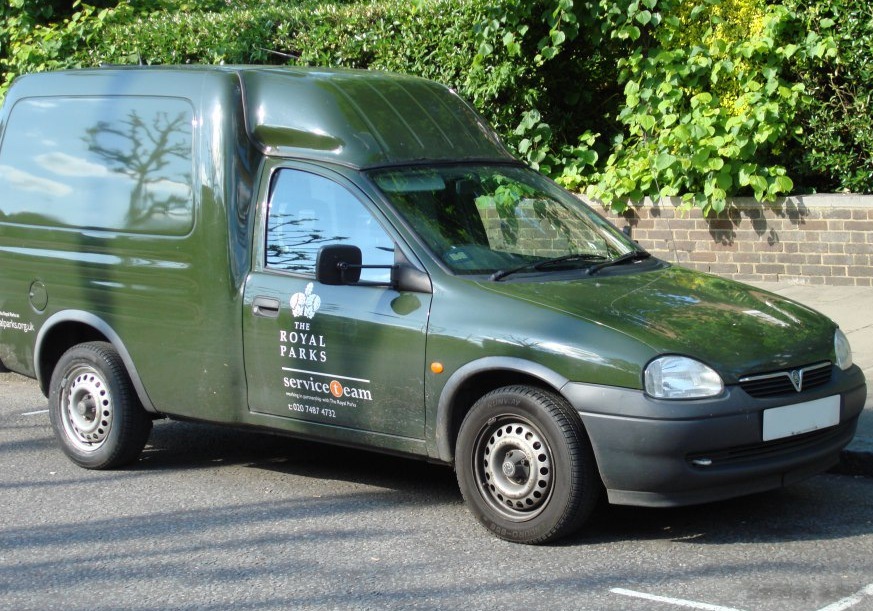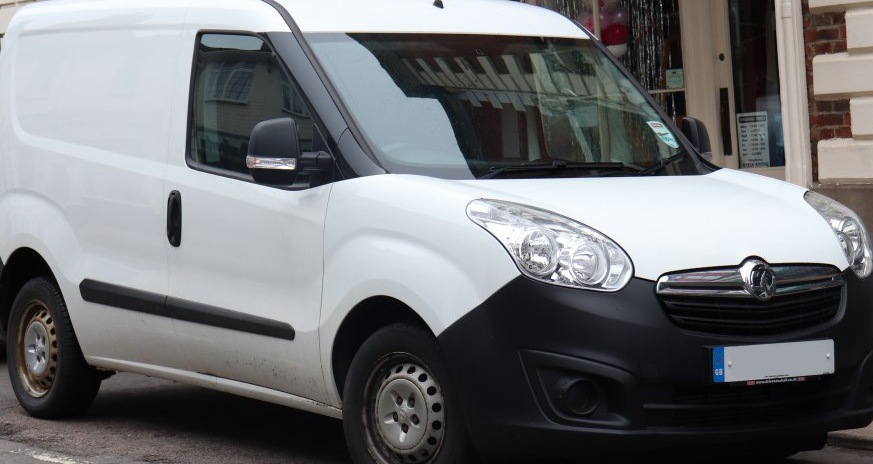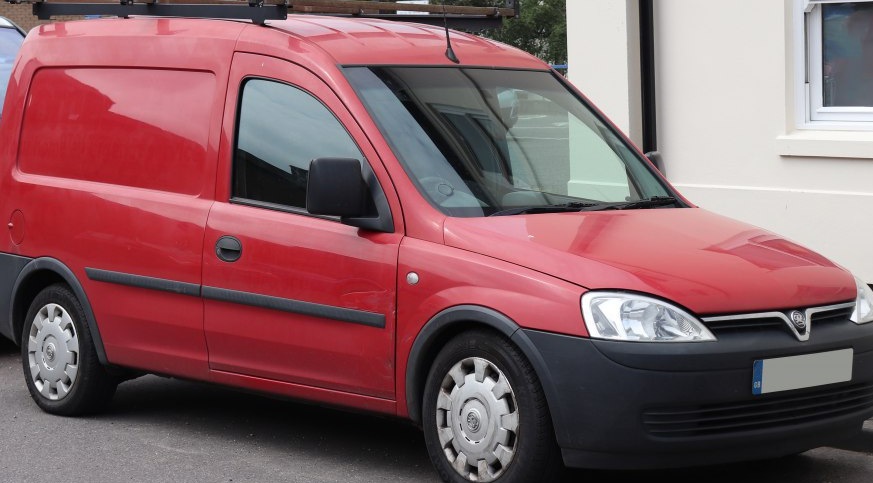
The Vauxhall Combo C 1.7 DI 16V (65 hp) ECOTEC, produced from 2001 to 2011, was a key variant within the Combo C generation (2001-2011). This model represented the entry-level diesel option for the Combo C, a versatile light commercial vehicle and multi-purpose vehicle (MPV) based on the Fiat Doblo and sharing its platform (1HX0/A3). It was primarily aimed at commercial users needing a practical and economical van, as well as families seeking an affordable and spacious vehicle. The 1.7 DI 16V engine, while not the most powerful in the Combo C range, offered a balance of fuel efficiency and usability for everyday tasks.
Powertrain & Engine Architecture
The heart of the Combo C 1.7 DI 16V is the Y17DTL engine, a 1.7-liter inline four-cylinder diesel. This engine falls under the ECOTEC family, representing Vauxhall/Opel’s commitment to efficient engine design. It features a single overhead camshaft (SOHC) design operating four valves per cylinder (16V). The engine utilizes a diesel common rail fuel injection system, delivering fuel at high pressure for improved combustion and reduced emissions. A turbocharger with an intercooler is employed to boost power output and improve torque delivery. The engine displaces 1686 cm³ (102.89 cubic inches) and produces 65 horsepower at 4400 rpm and 130 Nm (95.88 lb-ft) of torque at 2000 rpm.
The Combo C 1.7 DI 16V was exclusively offered with a five-speed manual transmission. This transmission was chosen for its simplicity, durability, and contribution to fuel economy. The gearbox is a front-wheel-drive configuration, typical for vehicles in this class. The gear ratios were optimized for maximizing fuel efficiency and providing adequate acceleration for typical commercial and family use. The transmission’s first gear was relatively short, aiding in starting from a standstill, particularly when loaded. Higher gears were geared for efficient cruising at highway speeds.
Engine Code Specifics
The Y17DTL engine code is crucial for identifying this specific variant. It’s a direct injection diesel engine, meaning fuel is injected directly into the combustion chamber. The common rail system allows for precise control over injection timing and quantity, optimizing combustion for both power and efficiency. The turbocharger and intercooler work in tandem to increase the density of the intake air, allowing more fuel to be burned and boosting power output. The engine’s compression ratio is relatively high at 18.4:1, typical for diesel engines, contributing to its efficiency.
Driving Characteristics
The driving experience in the Combo C 1.7 DI 16V is characterized by its practicality and economy rather than outright performance. With only 65 horsepower, acceleration is modest. 0-60 mph takes approximately 17.6 seconds, and 0-100 km/h takes 18.5 seconds. The maximum speed is around 91.34 mph (147 km/h). However, the 130 Nm of torque available from 2000 rpm provides sufficient pulling power for everyday driving and light commercial tasks. The five-speed manual transmission allows drivers to keep the engine in its optimal power band.
Compared to other Combo C variants, such as the 1.7 CDTI (which offered significantly more power), the 1.7 DI 16V felt noticeably slower. The CDTI models were geared towards drivers needing more performance, while the DI version prioritized fuel economy and affordability. The 1.7 DI 16V’s gear ratios were tuned for maximizing fuel efficiency, resulting in a slightly less responsive feel compared to the more performance-oriented trims. The vehicle’s weight of approximately 1260 kg (2777.82 lbs) further contributes to its modest acceleration.
Equipment & Trim Levels
The Combo C 1.7 DI 16V was typically offered in a basic trim level, reflecting its position as the entry-level diesel variant. Standard equipment generally included power steering, a driver’s airbag, and basic instrumentation. The interior was functional and durable, with hard-wearing plastic trim and cloth upholstery. The dashboard layout was straightforward and focused on practicality.
Optional extras available for the 1.7 DI 16V included air conditioning, electric windows, and a radio/CD player. Higher trim levels, available with other engine options, offered features such as alloy wheels, upgraded upholstery, and more advanced audio systems. The Combo C’s versatility was enhanced by its configurable interior, with options for folding rear seats and a sliding side door for easy access. The van configuration featured a solid bulkhead separating the cargo area from the passenger compartment.
Chassis & Braking
The Combo C 1.7 DI 16V utilizes a relatively simple chassis design. The front suspension consists of a MacPherson strut setup, while the rear suspension employs a coil spring arrangement. This configuration provides a reasonable balance between ride comfort and handling. The front brakes are ventilated discs, offering good stopping power, while the rear brakes are drums, a cost-saving measure common in this class of vehicle.
Anti-lock Braking System (ABS) was standard equipment, enhancing safety by preventing wheel lockup during hard braking. The steering system is a rack and pinion type with hydraulic power assistance, providing precise and responsive steering feel. The vehicle rides on 175/65 R14 tires, mounted on 14-inch steel wheels. The suspension was tuned to prioritize ride comfort and load-carrying capacity, rather than sporty handling.
Market Reception & Comparison
The Vauxhall Combo C 1.7 DI 16V was generally well-received as a practical and economical workhorse. Critics praised its fuel efficiency, spacious interior, and versatility. However, the engine’s limited power output was often noted as a drawback, particularly when the vehicle was fully loaded. Compared to other trims in the Combo C lineup, the 1.7 DI 16V offered the lowest purchase price and the best fuel economy.
Fuel consumption figures are approximately 6.9 l/100 km (34.1 US mpg) in urban conditions, 4.9 l/100 km (48 US mpg) on the extra-urban cycle, and 5.8 l/100 km (40.6 US mpg) combined. Reliability was generally good, although the diesel common rail system required regular maintenance to ensure optimal performance. The 1.7 DI 16V competed with other light commercial vehicles and MPVs in its class, such as the Citroen Berlingo, Peugeot Partner, and Fiat Doblo.
Technical Specifications
| Brand | Vauxhall |
| Model | Combo C |
| Type (Engine) | 1.7 DI 16V (65 Hp) ECOTEC |
| Start of production | 2001 |
| End of production | 2011 |
| Engine Code | Y17DTL |
| Engine Displacement | 1686 cm3 (102.89 cu. in.) |
| Number of Cylinders | 4 |
| Engine Configuration | Inline |
| Power | 65 Hp @ 4400 rpm |
| Torque | 130 Nm @ 2000 rpm (95.88 lb.-ft. @ 2000 rpm) |
| Fuel Type | Diesel |
| Acceleration 0-100 km/h | 18.5 sec |
| Acceleration 0-62 mph | 18.5 sec |
| Maximum Speed | 147 km/h (91.34 mph) |
| Kerb Weight | 1260 kg (2777.82 lbs) |
| Max. Weight | 1995 kg (4398.22 lbs) |
| Fuel Tank Capacity | 52 l (13.74 US gal | 11.44 UK gal) |
| Length | 4320 mm (170.08 in) |
| Width | 1685 mm (66.34 in) |
| Height | 1800 mm (70.87 in) |
| Gearbox | 5-speed Manual |
Legacy
The Vauxhall Combo C 1.7 DI 16V remains a relatively common sight on used car markets today. The Y17DTL engine, while not known for being particularly refined, is generally considered durable and reliable if properly maintained. Common issues include wear and tear on the turbocharger and potential problems with the diesel common rail system. The Combo C’s simple construction and readily available parts contribute to its affordability and ease of repair. It continues to be a popular choice for budget-conscious buyers seeking a practical and economical van or MPV. Its legacy lies in providing a dependable and affordable transportation solution for both commercial and private users.