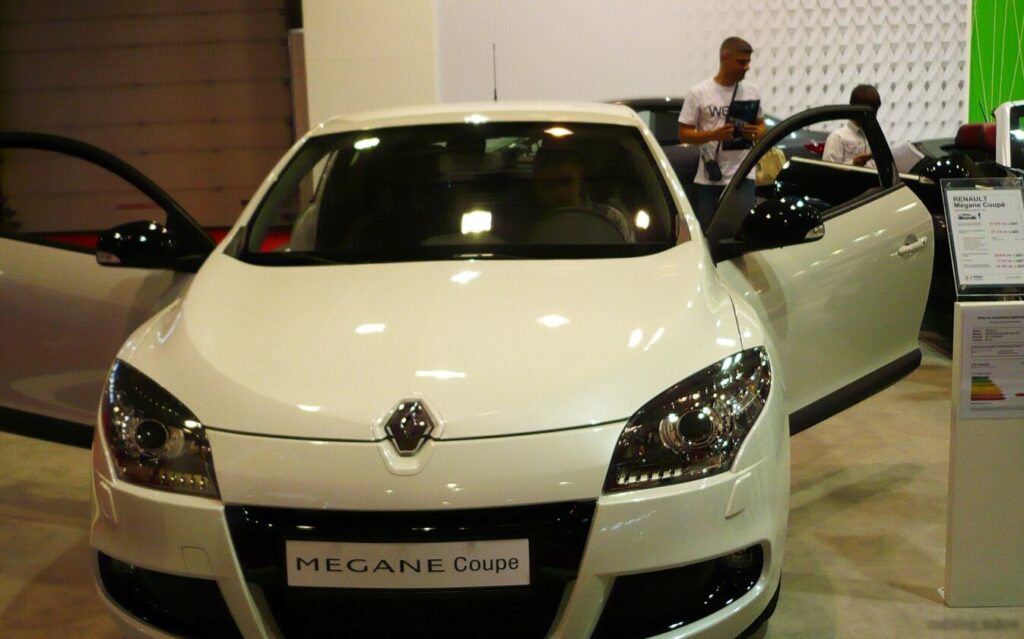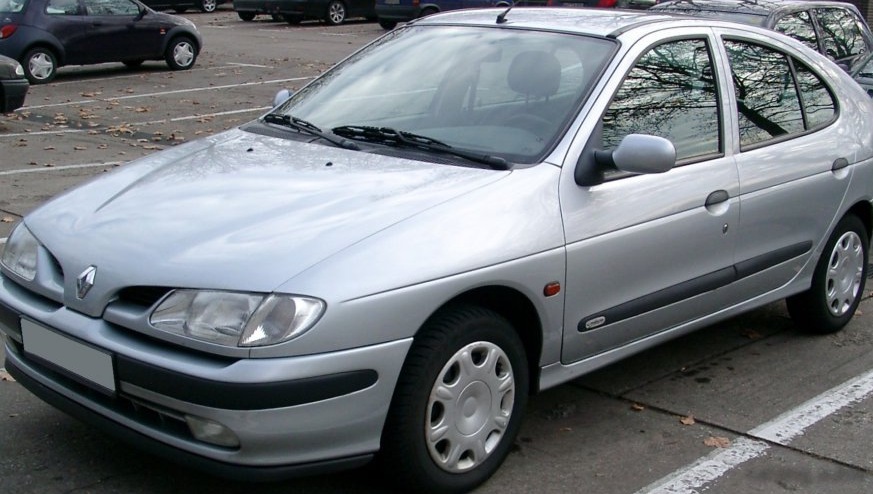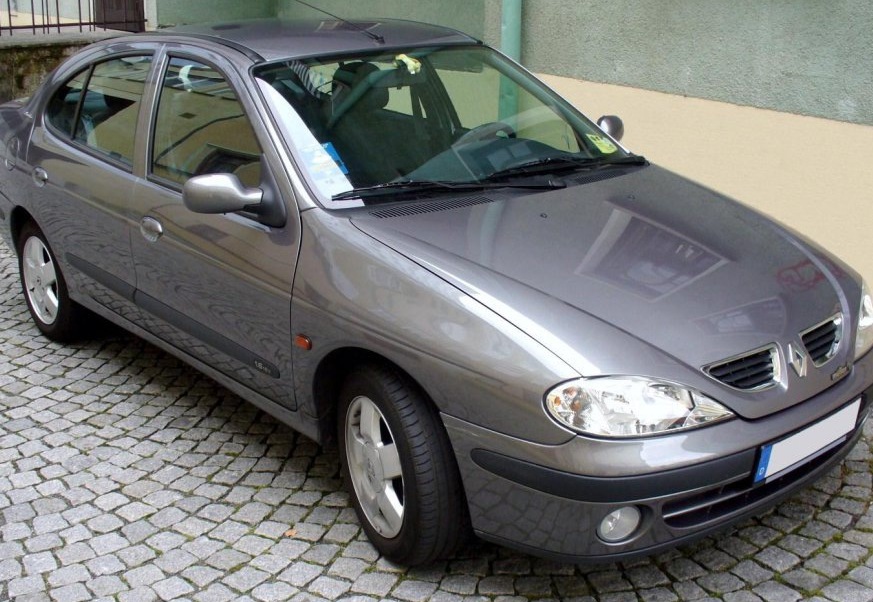
The Renault Megane I Classic Phase II, produced from 2001 to 2002, represented a significant update to Renault’s compact sedan. Within the Megane I range, the 1.9 dCi 102 hp variant occupied a middle ground, offering a balance between fuel efficiency, performance, and cost. This model was positioned as a practical and economical choice for buyers seeking a comfortable and reliable family sedan, particularly in European markets where diesel engines were highly favored. It was built on the 1HX0/A3 platform, shared with other Renault and Nissan models of the era.
Renault Megane I Classic 1.9 dCi (102 hp): An Overview
The 1.9 dCi engine, introduced in the Megane I Classic Phase II, was a key selling point. It provided a noticeable performance upgrade over the lower-powered gasoline engines available, while still delivering excellent fuel economy. The “Classic” designation denoted the sedan body style, differentiating it from the hatchback and coupe versions of the Megane I. This particular engine and trim level aimed to appeal to drivers who frequently undertook longer journeys or required a vehicle capable of carrying passengers and luggage comfortably.
Powertrain & Engine Architecture
The heart of this Megane variant is the Renault F9Q engine, a 1.9-liter inline four-cylinder diesel engine. This engine utilizes a common rail direct injection system, a relatively advanced technology for its time, which allowed for precise fuel delivery and improved combustion efficiency. The F9Q engine produced 102 horsepower (hp) at 4000 rpm and 200 Newton-meters (147.51 lb-ft) of torque at 1500 rpm. This torque output, available from relatively low engine speeds, contributed to the car’s usable performance in everyday driving conditions. The engine featured an overhead camshaft (OHC) valvetrain with two valves per cylinder. A turbocharger with an intercooler was employed to boost power and efficiency.
The 1.9 dCi engine was typically paired with a five-speed manual transmission. While an automatic transmission was offered on some Megane I models, it was less common with the 1.9 dCi engine due to concerns about matching the transmission’s durability to the engine’s torque output. The five-speed manual transmission provided a good balance between fuel economy and driver control. Gear ratios were geared towards maximizing fuel efficiency while still providing adequate acceleration.
Driving Characteristics
The 1.9 dCi-equipped Megane I Classic offered a distinctly different driving experience compared to its gasoline-powered siblings. The higher torque output of the diesel engine meant that strong acceleration was available from lower engine speeds, making overtaking and hill climbing easier. While not a particularly sporty vehicle, the 1.9 dCi provided sufficient power for comfortable cruising on highways and navigating city streets. Acceleration from 0 to 62 mph (0-100 km/h) took approximately 11.5 seconds, and the car had a top speed of around 117.44 mph (189 km/h). Compared to the 1.6L gasoline engine, the 1.9 dCi offered a noticeable improvement in performance, while the higher-output 2.0L gasoline engines and the later 1.9 dTi models provided even more power but at the expense of fuel economy.
Equipment & Trim Levels
The Megane I Classic 1.9 dCi typically came with a reasonable level of standard equipment. This included power steering, central locking, electric front windows, and an anti-lock braking system (ABS). Interior upholstery was typically cloth, with a relatively simple dashboard layout. Optional extras included air conditioning, alloy wheels, a sunroof, and a radio/cassette player. Higher trim levels, such as the “Expression” or “Privilege” variants, offered additional features like automatic headlights, rain-sensing wipers, and upgraded interior trim. The overall interior design was functional and practical, prioritizing comfort and usability over luxury.
Chassis & Braking
The Megane I Classic featured an independent coil spring suspension at the front and a torsion beam suspension at the rear. This setup provided a comfortable ride quality, although it wasn’t particularly sporty. The front brakes were ventilated discs, offering good stopping power, while the rear brakes were drums. This configuration was typical for vehicles in this class at the time, balancing cost and performance. The steering was a hydraulic power steering system, providing a light and easy steering feel. Tire size was typically 185/60 R15, mounted on 6J x 15 inch steel or alloy wheels.
Market Reception & Comparison
The Renault Megane I Classic 1.9 dCi was generally well-received by automotive critics. It was praised for its fuel efficiency, strong torque output, and comfortable ride. However, some critics noted that the engine could be somewhat noisy compared to gasoline engines, and the interior was not as refined as some of its competitors. In terms of fuel economy, the 1.9 dCi offered a significant advantage over the gasoline engines, achieving around 45.2 US mpg (54.3 UK mpg) on the combined cycle. Compared to other diesel-powered vehicles in the same class, such as the Volkswagen Golf TDI, the Megane 1.9 dCi offered a competitive level of performance and economy. Reliability was generally good, although some owners reported issues with the turbocharger and fuel injection system over the long term.
Technical Specifications
| Brand | Renault |
| Model | Megane |
| Generation | Megane I Classic (Phase II, 1999) |
| Type (Engine) | 1.9 dCi (102 Hp) |
| Start of production | 2001 year |
| End of production | 2002 year |
| Fuel consumption (urban) | 6.8 l/100 km (34.6 US mpg) |
| Fuel consumption (extra urban) | 4.4 l/100 km (53.5 US mpg) |
| Fuel consumption (combined) | 5.2 l/100 km (45.2 US mpg) |
| CO2 emissions | 139 g/km |
| Fuel Type | Diesel |
| Acceleration 0 – 100 km/h | 11.5 sec |
| Acceleration 0 – 62 mph | 11.5 sec |
| Maximum speed | 189 km/h (117.44 mph) |
| Engine Power | 102 Hp @ 4000 rpm |
| Engine Torque | 200 Nm @ 1500 rpm (147.51 lb.-ft.) |
| Engine Displacement | 1870 cm3 (114.11 cu. in.) |
| Number of cylinders | 4 |
| Kerb Weight | 1150 kg (2535.32 lbs.) |
| Max. weight | 1675 kg (3692.74 lbs.) |
| Trunk (boot) space (minimum) | 510 l (18.01 cu. ft.) |
| Trunk (boot) space (maximum) | 1310 l (46.26 cu. ft.) |
| Fuel tank capacity | 60 l (15.85 US gal) |
Legacy
The Renault Megane I Classic 1.9 dCi remains a relatively common sight on European roads today, testament to its durability and reliability. The F9Q engine, while not without its potential issues, is generally considered to be a robust and long-lasting unit. In the used car market, these models are often sought after by buyers looking for an affordable and economical family car. However, potential buyers should be aware of the possibility of age-related issues, such as turbocharger wear and fuel injection problems. The 1.9 dCi engine’s success paved the way for Renault to continue developing and refining its diesel engine technology in subsequent Megane generations.