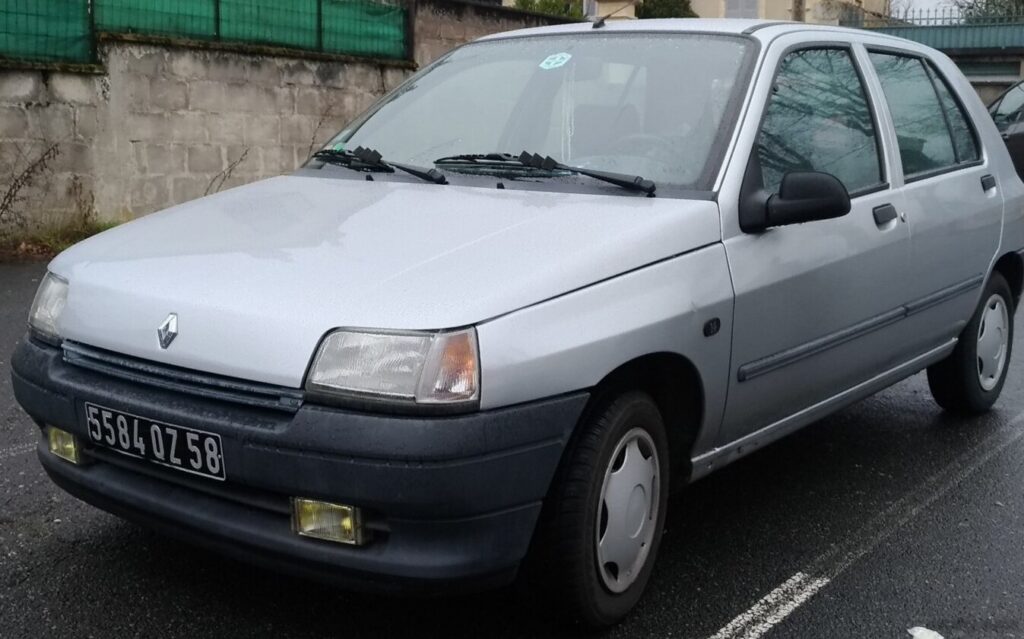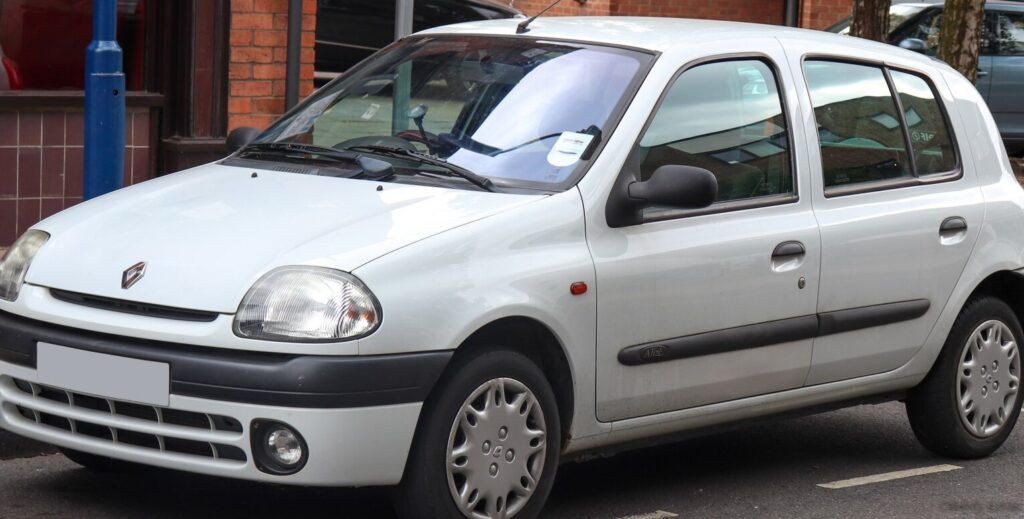
The Renault Clio II Phase I 5-door 1.4 16V Automatic, produced between 1999 and 2000, represented an entry-level offering within the broader Clio II range. This variant aimed to provide affordable and practical transportation with the convenience of an automatic transmission. It was positioned below the more powerful 1.6 16V and 2.0 16V models, as well as the diesel-powered options, targeting buyers prioritizing ease of use and fuel efficiency over outright performance. The Clio II, internally designated as the X6J/S6J series, was a significant step forward for Renault, building upon the success of the original Clio and offering improved refinement, safety, and styling.
Powertrain & Engine Architecture
The heart of the Clio II 1.4 16V Automatic is the Renault K4J engine, a 1390cc (84.82 cubic inches) inline-four cylinder gasoline engine. This engine utilizes a multi-port fuel injection system, delivering fuel directly into the intake ports just before the intake valves. The ‘16V’ designation indicates the engine features four valves per cylinder, contributing to improved breathing and higher power output compared to engines with two valves per cylinder. The K4J engine employs a double overhead camshaft (DOHC) valvetrain, further enhancing its volumetric efficiency.
The engine produces 98 horsepower (hp) at 6000 rpm and 127 Newton-meters (93.67 lb-ft) of torque at 3750 rpm. This power output translates to a power-to-liter ratio of 70.5 hp/l. Crucially, this variant was paired with a four-speed automatic transmission. This transmission, while offering convenience, was a relatively conventional hydraulic automatic, lacking the sophistication of more modern electronically controlled units. It was chosen for its cost-effectiveness and reliability, rather than sporting performance. The transmission’s gear ratios were optimized for fuel economy and smooth, comfortable driving, rather than rapid acceleration.
Engine Code Specifics
The K4J engine code is common across several Renault models of the period. While generally reliable, the K4J engine is known for potential issues with the throttle body and idle air control valve, which can lead to rough idling or stalling. Regular maintenance, including cleaning these components, is crucial for long-term reliability. The automatic transmission, while robust, benefits from regular fluid changes to prevent wear and maintain smooth operation.
Driving Characteristics
The driving experience in the Clio II 1.4 16V Automatic is characterized by its smoothness and ease of use. The automatic transmission eliminates the need for manual gear changes, making it ideal for urban driving and commuting. However, the 98 hp output and four-speed automatic result in relatively leisurely acceleration. Zero to 62 mph (0-100 km/h) takes approximately 12.9 seconds. The transmission’s shift points are programmed for economy, meaning the engine often operates at lower rpm, contributing to fuel efficiency but also limiting responsiveness. Compared to the manual transmission version of the 1.4 16V, the automatic suffers a slight performance penalty. The higher-output 1.6 16V and 2.0 16V models offer significantly more spirited performance, while the diesel variants provide superior fuel economy.
The steering is light and precise, making the Clio easy to maneuver in tight spaces. The suspension provides a comfortable ride, absorbing bumps and imperfections in the road surface effectively. However, it’s not particularly sporty, with noticeable body roll during cornering. Overall, the driving experience is geared towards practicality and comfort rather than driving excitement.
Equipment & Trim Levels
The Clio II 1.4 16V Automatic typically came equipped with a reasonable level of standard features for its price point. These included power steering, central locking, electric front windows, and an adjustable steering column. Interior upholstery was typically cloth, with a relatively simple dashboard layout. Air conditioning was often an optional extra, as were features like alloy wheels and a radio/cassette player. Higher trim levels, such as the ‘RT’ or ‘Exception’ variants, added features like air conditioning, upgraded upholstery, and more sophisticated audio systems. Safety features included driver and passenger airbags, and ABS (Anti-lock Braking System) was often included as standard or an optional extra depending on the market.
Chassis & Braking
The Clio II utilized a front-wheel-drive layout with an independent MacPherson strut suspension at the front and a torsion beam suspension at the rear. This suspension setup provided a good balance between ride comfort and handling. The front brakes were disc brakes, providing adequate stopping power, while the rear brakes were typically drum brakes, a cost-saving measure for this entry-level variant. The hydraulic power steering system offered light and easy steering, enhancing maneuverability. Tire sizes typically ranged from 165/65 R14 to 175/60 R14, depending on the trim level and market.
Market Reception & Comparison
The Clio II 1.4 16V Automatic was generally well-received by critics as a practical and affordable small car. It was praised for its comfortable ride, ease of use, and relatively low running costs. However, the automatic transmission and modest engine output were often criticized for limiting performance. Compared to the manual transmission version, the automatic offered less driver engagement and slightly lower fuel economy. The 1.6 16V and 2.0 16V models were seen as more appealing to drivers seeking a more dynamic driving experience. The diesel variants offered superior fuel economy, making them a popular choice for high-mileage drivers. Fuel consumption figures were around 8.7 l/100 km (27 US mpg, 32.5 UK mpg), which was competitive for its class at the time.
Technical Specifications
| Engine Type | Inline-4, Petrol |
| Engine Displacement | 1390 cm3 (84.82 cu in) |
| Engine Code | K4J |
| Power Output | 98 hp @ 6000 rpm |
| Torque | 127 Nm (93.67 lb-ft) @ 3750 rpm |
| Fuel Injection | Multi-port Fuel Injection |
| Valvetrain | DOHC (Double Overhead Camshaft) |
| Transmission | 4-speed Automatic |
| Drive Wheels | Front Wheel Drive |
| Kerb Weight | 1030 kg (2270.76 lbs) |
| Maximum Weight | 1570 kg (3461.26 lbs) |
| Fuel Consumption (Urban) | 10.5 l/100 km (22.4 US mpg) |
| Fuel Consumption (Extra Urban) | 7.6 l/100 km (30.9 US mpg) |
| Fuel Consumption (Combined) | 8.7 l/100 km (27 US mpg) |
| CO2 Emissions | 179 g/km |
| Acceleration 0-100 km/h | 12.9 sec |
| Maximum Speed | 175 km/h (108.74 mph) |
| Fuel Tank Capacity | 50 l (13.21 US gal) |
Legacy
The Renault Clio II 1.4 16V Automatic, while not the most exciting variant in the range, proved to be a reliable and practical small car. The K4J engine, when properly maintained, is known for its longevity. The automatic transmission, while not particularly sophisticated, is generally robust. Today, these cars are relatively affordable on the used car market, making them a good option for budget-conscious buyers. However, potential buyers should be aware of the potential for issues with the throttle body and idle air control valve, as well as the importance of regular automatic transmission fluid changes. Parts availability is generally good, and the Clio II benefits from a large and active owner community. The Clio II 1.4 16V Automatic remains a testament to Renault’s ability to produce affordable, reliable, and practical transportation.