
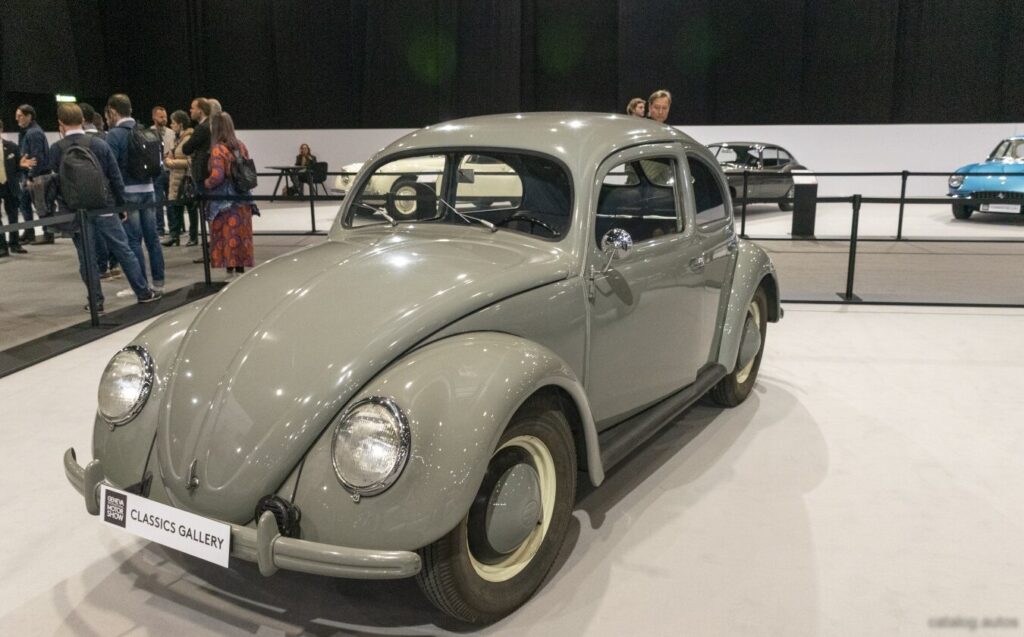
The Volkswagen Beetle 1303 1.6 (often referred to as the Super Beetle in North America) produced between 1972 and 1979 represents a significant evolution of the iconic Type 1, or Käfer, platform. This variant, characterized by its 1.6-liter engine producing 48 horsepower, occupied the entry-level position within the 1303 range, offering a more refined driving experience compared to earlier Beetles while remaining an accessible and economical transportation option. The 1303 series, introduced in 1972, featured a redesigned dashboard, larger windows, and a more comfortable interior, addressing criticisms leveled at previous Beetle iterations. This particular 1.6-liter, 48 hp version was primarily aimed at buyers prioritizing affordability and fuel efficiency over outright performance.
The 1303 1.6: A Refinement of the Classic
The 1303 model marked a substantial departure from the original Beetle design, though it retained the core rear-engine, rear-wheel-drive layout that defined the car for decades. The key changes included a curved windshield replacing the split window, a redesigned dashboard with improved ergonomics, and larger rear windows enhancing visibility. The 1.6-liter engine, while not a performance powerhouse, provided adequate power for everyday driving and was known for its relative reliability. This specific 48 hp version was the base engine offering for the 1303, with more powerful 1.6L and 1.7L options available. The 1303 aimed to modernize the Beetle while preserving its fundamental character and affordability.
Powertrain & Engine Architecture
The heart of the 1303 1.6 is the Type 128 air-cooled, naturally aspirated four-cylinder engine. This engine, designated with various codes depending on the market (often ‘L’ or ‘AD’), displaced 1584cc (96.6 cubic inches). It featured a cast iron block and cylinder heads, with aluminum alloy pistons. The engine utilized a pushrod valvetrain operating two valves per cylinder. Fuel delivery was managed by a single Solex or Pierburg carburetor, a relatively simple system contributing to the engine’s ease of maintenance. Compression ratio was typically around 8.5:1. The 48 horsepower output was achieved at 4,000 rpm, with peak torque of approximately 86 lb-ft at 3,000 rpm. The engine was mated to a four-speed manual transmission as standard, though a semi-automatic transmission (Autostick) was also offered, though less common. The Autostick was a fluid coupling transmission, not a true automatic, and offered limited gear selection. The engine’s air-cooled design eliminated the need for a radiator, simplifying the cooling system and reducing weight. However, it also meant the engine was more susceptible to overheating in extreme conditions.
Driving Characteristics
The 1303 1.6, with its modest 48 horsepower, offered a decidedly unhurried driving experience. Acceleration was slow, particularly when fully loaded or climbing hills. The four-speed manual transmission required frequent shifting to maintain momentum, and the Autostick version, while offering convenience, further reduced performance. Top speed was around 85 mph (137 km/h), though sustaining that speed for extended periods was not recommended. Handling was typical of rear-engined vehicles – exhibiting a tendency towards oversteer, especially when pushed hard. However, the 1303’s improved suspension, featuring MacPherson struts at the front and trailing arms at the rear, provided a more comfortable ride than earlier Beetles. The steering was relatively light, but lacked precision. Compared to the more powerful 1.7-liter versions, the 1.6 felt noticeably slower, particularly in highway situations. The 1.6 was best suited for city driving and shorter trips, where its fuel efficiency and ease of parking were significant advantages.
Equipment & Trim Levels
The 1303 1.6 was generally equipped with basic amenities. Standard features included cloth upholstery, a heater, and a basic instrument panel. The redesigned dashboard offered improved ergonomics compared to earlier Beetles, with more easily accessible controls. Optional extras included a radio, whitewall tires, and upgraded interior trim. The interior was relatively spartan, reflecting the car’s affordable price point. The seats were typically flat and offered limited support. The 1303 1.6 was available in a range of solid colors, with limited two-tone options. The trim level was largely consistent across the 1.6 models, with variations primarily stemming from optional equipment choices. Later models saw minor cosmetic updates, such as changes to the steering wheel and dashboard trim.
Chassis & Braking
The 1303 1.6 retained the Beetle’s traditional chassis layout, with a monocoque construction and independent suspension on all four wheels. The front suspension utilized MacPherson struts, while the rear employed trailing arms with transverse torsion bars. This suspension setup provided a relatively comfortable ride, considering the car’s simple design. Braking was initially accomplished with drum brakes on all four wheels. However, later models (particularly those sold in North America) were often equipped with front disc brakes, offering improved stopping power. The braking system was mechanically operated, lacking power assistance. Steering was by a worm-and-roller mechanism, providing light but imprecise control. The 1303 1.6’s relatively light weight (around 1,850 lbs or 840 kg) helped to offset the limitations of its braking and steering systems.
Market Reception & Comparison
The 1303 1.6 was generally well-received as an affordable and reliable transportation option. Critics praised the car’s improved comfort and ergonomics compared to earlier Beetles, but noted its lack of performance. Fuel economy was a major selling point, particularly during the oil crises of the 1970s. Compared to the more powerful 1.7-liter versions, the 1.6 offered a lower purchase price and slightly better fuel economy, but at the expense of performance. The 1.6 also compared favorably to other small, economy cars of the era, such as the Fiat 850 and the Renault 5, in terms of reliability and ease of maintenance. However, it lacked the more modern features and styling of some of its competitors. The Autostick transmission was often criticized for its sluggish performance and limited functionality.
Technical Specifications
| Engine Type | Air-cooled, Naturally Aspirated Four-Cylinder |
| Displacement | 1584 cc (96.6 cu in) |
| Horsepower | 48 hp @ 4,000 rpm |
| Torque | 86 lb-ft @ 3,000 rpm |
| Fuel System | Solex or Pierburg Carburetor |
| Compression Ratio | 8.5:1 |
| Transmission | 4-Speed Manual or Semi-Automatic (Autostick) |
| Brakes (Front) | Drum or Disc (later models) |
| Brakes (Rear) | Drum |
| Suspension (Front) | MacPherson Strut |
| Suspension (Rear) | Trailing Arms with Torsion Bars |
| Weight | 1,850 lbs (840 kg) approx. |
| Top Speed | 85 mph (137 km/h) approx. |
| Fuel Tank Capacity | 10.5 US gallons (40 liters) |
| Engine Oil Capacity | 2.5 liters (2.64 US qt / 2.2 UK qt) |
Legacy
The Volkswagen Beetle 1303 1.6, while not the most powerful or technologically advanced version of the Beetle, remains a popular choice among enthusiasts and collectors. Its simplicity, reliability, and affordability have ensured its continued presence on roads around the world. The 1.6-liter engine is known for its durability and ease of maintenance, making it a relatively inexpensive engine to rebuild or repair. In the used car market today, the 1303 1.6 typically commands lower prices than the more desirable 1.7-liter versions, but well-maintained examples are increasingly sought after. The car’s iconic status and nostalgic appeal continue to drive demand, ensuring that the Beetle 1303 1.6 will remain a beloved classic for years to come. Parts availability is generally good, thanks to the Beetle’s long production run and dedicated aftermarket support.
