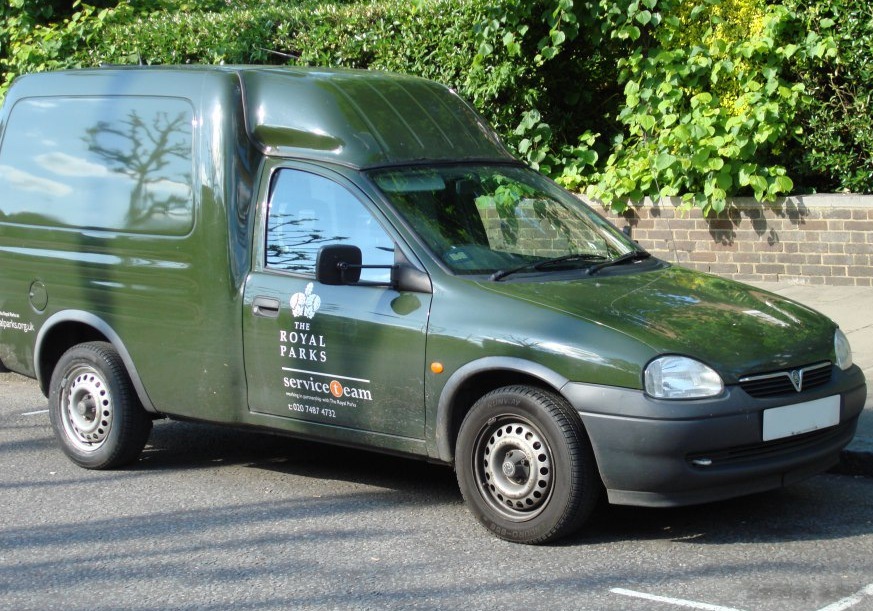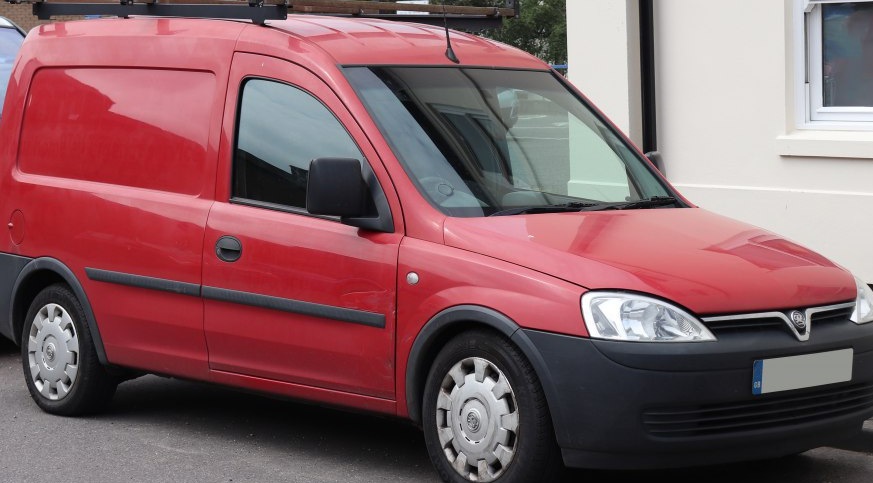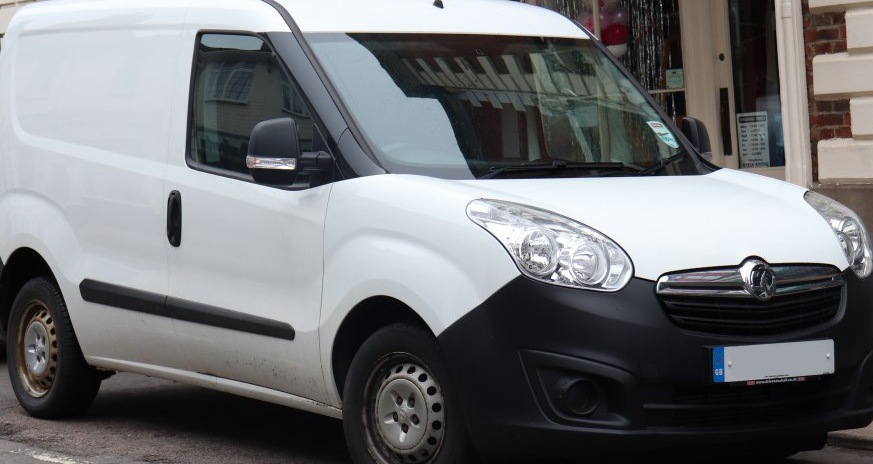
The Vauxhall Combo D 1.4 CNG (120 hp) Turbo Ecotec was a commercially-oriented panel van and passenger-carrying minivan produced from 2011 to 2018. Part of the Combo D generation (based on the Fiat Doblo platform), this variant offered a unique bi-fuel capability, running on both gasoline and Compressed Natural Gas (CNG). It represented a niche offering within the Combo D lineup, aimed at fleet operators and environmentally-conscious buyers seeking reduced running costs and emissions. The Combo D itself was a popular choice in the light commercial vehicle segment, known for its practicality and affordability.
Powertrain & Engine Architecture
The heart of the Combo D 1.4 CNG was the A14FP or B14FP engine code, a 1.4-liter inline-four cylinder gasoline engine specifically adapted for CNG operation. This engine featured a turbocharger and multi-port fuel injection, allowing it to produce 120 horsepower at 5000 rpm and 206 Nm (151.94 lb-ft) of torque at 3000 rpm. The engine’s design allowed it to seamlessly switch between gasoline and CNG fuel sources, or operate on a mixture of both. The CNG system consisted of a high-pressure fuel tank, a pressure regulator, and a dedicated CNG fuel injector system. When running on CNG, the engine’s compression ratio was optimized for the higher octane rating of the gas, resulting in cleaner combustion and reduced emissions. The engine’s displacement was 1368 cm3 (83.48 cu. in.), with a bore of 72mm (2.83 in.) and a stroke of 84mm (3.31 in.). Engine oil capacity was 2.7 liters (2.85 US qt / 2.38 UK qt), and the coolant capacity was 5 liters (5.28 US qt / 4.4 UK qt).
Fuel System and CNG Operation
The dual-fuel system was a key feature. The vehicle could start and run on gasoline, automatically switching to CNG when available. A selector switch allowed the driver to manually choose between gasoline and CNG operation. The CNG tank, typically located under the vehicle floor, reduced the overall cargo capacity compared to gasoline-only versions. The multi-port fuel injection system was responsible for delivering the precise amount of fuel to each cylinder, optimizing combustion efficiency. The turbocharger helped to boost power output and improve torque across the rev range, compensating for the slight power reduction typically associated with CNG operation.
Driving Characteristics
The Combo D 1.4 CNG, with its 120 hp output, offered adequate performance for everyday driving and light commercial duties. Acceleration from 0-100 km/h (0-62 mph) took approximately 12.3 seconds, and 0-60 mph was achieved in around 11.7 seconds. The maximum speed was 172 km/h (106.88 mph). While not a performance-oriented vehicle, the turbocharger provided a noticeable boost in power during acceleration. The CNG operation resulted in a slightly different driving experience compared to gasoline, with a smoother and quieter engine note. The 6-speed manual transmission offered precise gear changes and allowed the driver to maintain optimal engine speed for efficiency and performance. Compared to the standard gasoline versions of the Combo D, the CNG variant offered similar overall drivability, but with a focus on fuel economy and reduced emissions. It was noticeably less powerful than the 1.7 CDTi diesel options available in the lineup.
Equipment & Trim Levels
The Combo D 1.4 CNG was typically offered in a single, relatively basic trim level, reflecting its commercial focus. Standard equipment generally included power steering, ABS (Anti-lock Braking System), a driver’s airbag, and basic instrumentation. The interior featured durable, easy-to-clean upholstery. The dashboard layout was functional and straightforward, prioritizing practicality over luxury. Optional extras included air conditioning, a radio/CD player, electric windows, and central locking. The passenger-carrying versions of the Combo D 1.4 CNG typically featured a 5-seat configuration, with a split-folding rear bench for increased cargo flexibility. The van versions offered a larger cargo area, with various configurations available to suit different business needs.
Chassis & Braking
The Combo D 1.4 CNG utilized a front-wheel-drive layout with a steering rack and pinion system. The suspension consisted of independent MacPherson struts at the front and a twist beam axle at the rear. The braking system featured disc brakes on the front wheels and drum brakes on the rear wheels. The suspension was tuned for a balance between ride comfort and load-carrying capacity. The front track was 1510 mm (59.45 in.), and the rear track was 1530 mm (60.24 in.). The minimum turning circle was 11.2 meters (36.75 ft.). The chassis was designed to handle the added weight of the CNG tank without compromising handling or stability.
Market Reception & Comparison
The Vauxhall Combo D 1.4 CNG was generally well-received by fleet operators and businesses looking to reduce their carbon footprint and fuel costs. Critics praised its fuel efficiency and low emissions, particularly when running on CNG. However, the limited availability of CNG refueling stations was a drawback for some users. Compared to the diesel-powered Combo D models, the CNG variant offered similar running costs, but with lower emissions. The gasoline-only versions were typically cheaper to purchase, but offered higher fuel consumption. The Combo D 1.4 CNG competed with other small vans and minivans offering alternative fuel options, such as the Fiat Doblo CNG and the Renault Kangoo CNG. Its Euro 5 emission standard placed it in a favorable position regarding environmental regulations.
Technical Specifications
| Brand | Vauxhall |
| Model | Combo |
| Generation | Combo D |
| Type (Engine) | 1.4 CNG (120 Hp) Turbo Ecotec |
| Start of production | 2011 |
| End of production | 2018 |
| Powertrain Architecture | Internal Combustion engine |
| Body type | Minivan |
| Seats | 5 |
| Doors | 5 |
| CO2 emissions | 134 g/km |
| Fuel Type | Petrol / CNG |
| Acceleration 0 – 100 km/h | 12.3 sec |
| Acceleration 0 – 62 mph | 12.3 sec |
| Acceleration 0 – 60 mph | 11.7 sec |
| Maximum speed | 172 km/h (106.88 mph) |
| Emission standard | Euro 5 |
| Power | 120 Hp @ 5000 rpm |
| Torque | 206 Nm @ 3000 rpm (151.94 lb.-ft. @ 3000 rpm) |
| Engine layout | Front, Transverse |
| Engine Model/Code | A14FP, B14FP |
| Engine displacement | 1368 cm3 (83.48 cu. in.) |
| Number of cylinders | 4 |
| Engine configuration | Inline |
| Cylinder Bore | 72 mm (2.83 in.) |
| Piston Stroke | 84 mm (3.31 in.) |
| Fuel injection system | Multi-port manifold injection |
| Engine aspiration | Turbocharger |
| Engine oil capacity | 2.7 l (2.85 US qt | 2.38 UK qt) |
| Coolant | 5 l (5.28 US qt | 4.4 UK qt) |
| Trunk (boot) space – maximum | 3200 l (113.01 cu. ft.) |
| Fuel tank capacity | 60 l (15.85 US gal | 13.2 UK gal) |
| Length | 4390 mm (172.83 in.) |
| Width | 1831 mm (72.09 in.) |
| Height | 1845-2100 mm (72.64 – 82.68 in.) |
| Wheelbase | 2755 mm (108.46 in.) |
| Front track | 1510 mm (59.45 in.) |
| Rear (Back) track | 1530 mm (60.24 in.) |
| Minimum turning circle | 11.2 m (36.75 ft.) |
| Drivetrain Architecture | Front wheel drive |
| Number of gears and type of gearbox | 6 gears, manual transmission |
| Assisting systems | ABS (Anti-lock braking system) |
Legacy
The Vauxhall Combo D 1.4 CNG represents an early attempt to offer a commercially viable alternative fuel vehicle in the light commercial vehicle segment. While the CNG infrastructure remained limited, the Combo D 1.4 CNG proved to be a reliable and economical option for businesses operating in areas with readily available CNG refueling stations. On the used car market, these models are typically valued for their low running costs and environmental benefits. The A14FP/B14FP engine, when properly maintained, has demonstrated good long-term reliability. However, potential buyers should be aware of the specific maintenance requirements of the CNG system, including regular inspection of the fuel tank and associated components. The Combo D 1.4 CNG paved the way for future generations of alternative fuel commercial vehicles, contributing to the growing trend towards sustainable transportation.