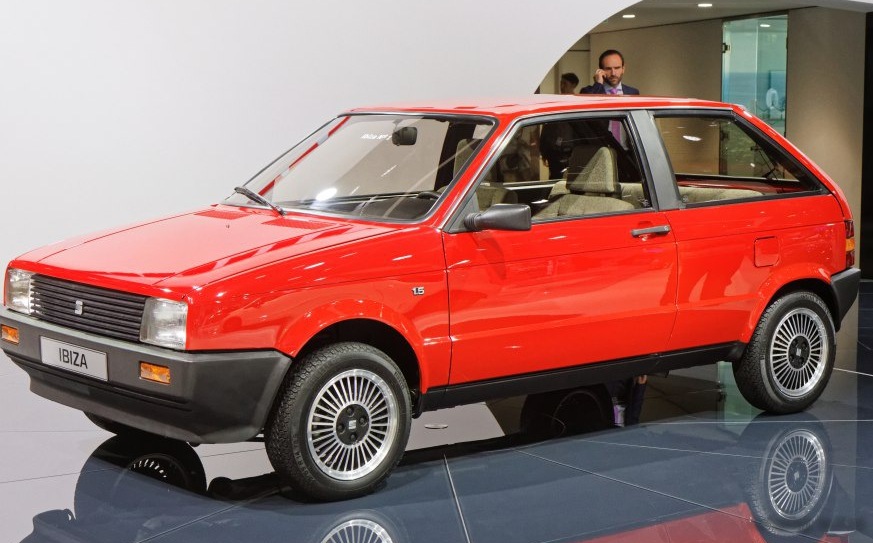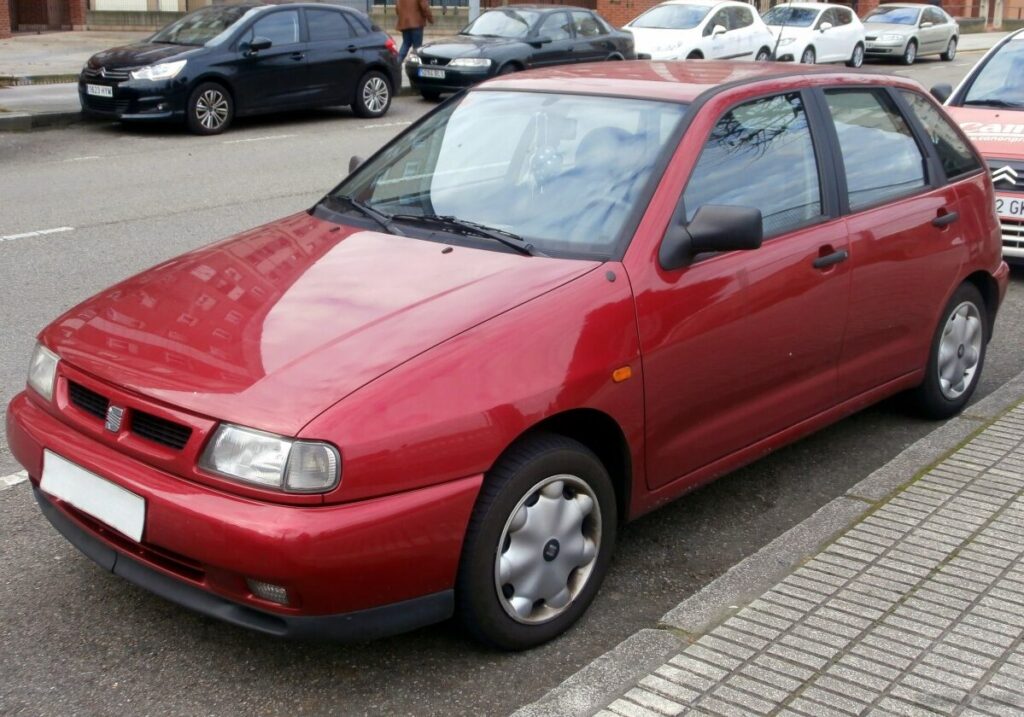
The Seat Ibiza II 1.6 MPi, producing 75 horsepower, was a mainstay of the second-generation Ibiza lineup, manufactured between September 1997 and December 1998. Positioned as an entry-level to mid-range offering, it represented a practical and affordable option within the broader Ibiza II range, which also included more powerful variants like the 1.9 TDI diesel and the later 2.0-liter gasoline models. The Ibiza II itself was based on the Volkswagen Group’s PQ24 platform, shared with the Volkswagen Polo Mk3 and the Škoda Fabia, marking a significant step forward in terms of build quality and refinement for the Spanish brand.
1.6 MPi Powertrain & Engine Architecture
The heart of the Ibiza II 1.6 MPi was the AEE engine code, a 1.6-liter inline four-cylinder gasoline engine. This engine featured a naturally aspirated configuration and a single overhead camshaft (OHC) valvetrain operating two valves per cylinder. The engine’s displacement was 1598 cm³ (97.52 cubic inches), and it produced a maximum power output of 75 hp at 4600 rpm and 135 Nm (99.57 lb-ft) of torque at 2800 rpm. Fuel delivery was managed by a multi-port manifold injection system, a common technology for the time, providing adequate fuel atomization for efficient combustion.
While a five-speed manual transmission was the standard offering, an optional four-speed automatic transmission was available. This automatic gearbox, while providing convenience, was known for its relatively slow shift times and tendency to hunt for gears, particularly under heavy load. The automatic transmission impacted the overall performance and fuel economy compared to the manual version. The engine’s compression ratio was 9.8:1, a typical value for naturally aspirated gasoline engines of that era.
Engine Specifications (AEE)
The AEE engine was a relatively simple and robust design, prioritizing reliability and affordability over outright performance. It was a common engine across several Volkswagen Group models, contributing to readily available parts and relatively straightforward maintenance. The engine oil capacity was 3.5 liters (3.7 US quarts or 3.08 UK quarts), and the cooling system required 4.2 liters (4.44 US quarts or 3.7 UK quarts) of coolant.
Driving Characteristics
The Seat Ibiza II 1.6 MPi offered modest performance, reflecting its positioning as an economical and practical vehicle. Acceleration from 0 to 100 km/h (0 to 62 mph) took approximately 12.1 seconds, while reaching 0 to 60 mph required around 11.5 seconds. The top speed was rated at 170 km/h (105.63 mph). The 1.6-liter engine provided adequate power for everyday driving, but overtaking maneuvers required careful planning. The automatic transmission, when equipped, further diminished acceleration times due to its less-than-sporty shift characteristics.
Compared to the more powerful Ibiza variants, such as the 1.9 TDI, the 1.6 MPi felt noticeably slower. The TDI offered significantly more torque, resulting in stronger acceleration and better fuel economy. However, the 1.6 MPi provided a smoother and quieter driving experience than the often-agricultural TDI engine. The manual transmission version offered a more engaging driving experience, allowing drivers to better control the engine’s power delivery.
Equipment & Trim Levels
The Ibiza II 1.6 MPi typically came equipped with basic but functional features. Standard equipment included power steering, front disc brakes, and an anti-lock braking system (ABS). Interior appointments were relatively spartan, with cloth upholstery and a simple dashboard layout. Air conditioning was often an optional extra, as were power windows and central locking. Trim levels varied depending on the market, but generally, the 1.6 MPi was offered in base and slightly upgraded versions.
The upgraded trims might include features like alloy wheels, a more sophisticated stereo system, and upgraded interior trim materials. The available body styles were typically a three-door hatchback and a five-door hatchback, catering to different customer preferences. The trunk space ranged from 270 liters (9.53 cubic feet) with the rear seats up to 580 liters (20.48 cubic feet) with the rear seats folded down, providing reasonable cargo capacity for a vehicle of its size.
Chassis & Braking
The Ibiza II 1.6 MPi utilized a front-wheel-drive configuration with a MacPherson strut front suspension and a coil spring rear suspension. The front brakes were disc brakes, providing adequate stopping power, while the rear brakes were drum brakes, a cost-saving measure common in vehicles of this class. The steering system was a rack and pinion type with hydraulic power assistance, offering reasonable steering feel and maneuverability.
The curb weight of the Ibiza II 1.6 MPi was approximately 905 kg (1995.18 lbs), contributing to its relatively nimble handling. The tires were typically sized 175/70 R13 or 185/60 R14, depending on the trim level. The suspension setup was tuned for comfort rather than outright sportiness, providing a reasonably smooth ride on most road surfaces.
Market Reception & Comparison
The Seat Ibiza II 1.6 MPi was generally well-received as a practical and affordable small car. Critics praised its build quality, handling, and relatively spacious interior. However, the 1.6-liter engine was often criticized for being underpowered, particularly when paired with the automatic transmission. Fuel economy was rated at 7.4 l/100 km (31.8 US mpg or 38.2 UK mpg), which was competitive for its time but less impressive than the diesel-powered Ibiza models.
Compared to rivals like the Ford Fiesta and the Renault Clio, the Ibiza II 1.6 MPi offered a good balance of price, features, and reliability. However, it lacked the brand recognition and established reputation of some of its competitors. The 1.6 MPi was often seen as a sensible choice for buyers prioritizing practicality and affordability over performance and prestige.
Technical Specifications
| Body Type | Hatchback, 3-5 Doors |
| Engine Type | Inline 4-Cylinder Gasoline |
| Engine Code | AEE |
| Engine Displacement | 1598 cm³ (97.52 cu. in.) |
| Power Output | 75 hp @ 4600 rpm |
| Torque | 135 Nm (99.57 lb-ft) @ 2800 rpm |
| Fuel Consumption (Combined) | 7.4 l/100 km (31.8 US mpg, 38.2 UK mpg) |
| Acceleration 0-100 km/h | 12.1 sec |
| Top Speed | 170 km/h (105.63 mph) |
| Curb Weight | 905 kg (1995.18 lbs) |
| Fuel Tank Capacity | 47 l (12.42 US gal, 10.34 UK gal) |
| Transmission | 5-Speed Manual or 4-Speed Automatic |
| Front Suspension | Wishbone |
| Rear Suspension | Coil Spring |
| Front Brakes | Disc |
| Rear Brakes | Drum |
Legacy
The Seat Ibiza II 1.6 MPi, particularly with the AEE engine, has proven to be a relatively reliable and durable vehicle. The engine is known for its longevity, and parts availability remains good due to its widespread use in other Volkswagen Group models. In the used car market, these Ibizas are often sought after as affordable and practical transportation. However, potential buyers should be aware of the automatic transmission’s limitations and ensure it has been properly maintained. Rust can also be an issue, particularly in regions with harsh winters. Overall, the Ibiza II 1.6 MPi represents a solid and dependable choice for those seeking a budget-friendly small car with a proven track record.