
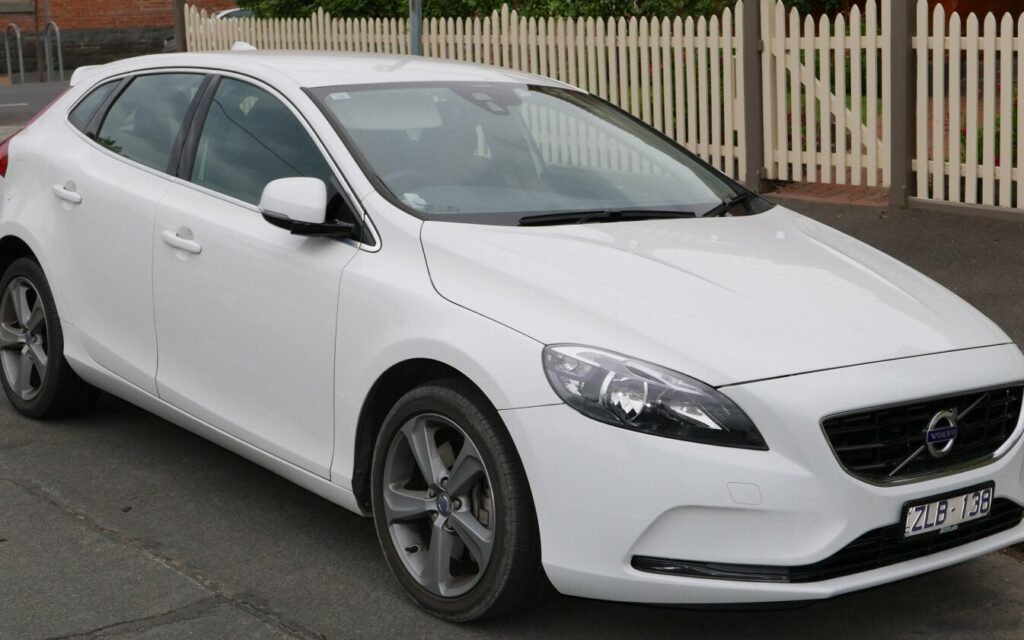
The Volvo V40 2.0 T5 Automatic, produced from 2014 to 2016, represented a performance-oriented variant within the second generation of the Volvo V40 hatchback (model year 2012 onwards). Built on the Volvo C1 platform – also known as the 1HX0/A3 platform shared with other Ford and Volvo models – the T5 trim aimed to deliver a more engaging driving experience than the lower-powered versions while maintaining the V40’s reputation for safety and practicality. This model occupied the upper-mid-range position in the V40 lineup, slotting below the limited-production Polestar Engineered variant but above the D2, D3, and T3 models.
Powertrain & Engine Architecture
The heart of the V40 T5 is the Volvo B4204T11 2.0-liter inline-four cylinder gasoline engine. This engine is a member of Volvo’s VEA (Volvo Engine Architecture) family, designed for modularity and efficiency. The B4204T11 utilizes direct fuel injection, a turbocharger with an intercooler, and a double overhead camshaft (DOHC) valvetrain with four valves per cylinder. This configuration allows for a high compression ratio of 10.8:1, contributing to both power and efficiency. The engine displaces 1969 cc (120.16 cubic inches) and produces 245 horsepower at 5500 rpm and 350 Nm (258.15 lb-ft) of torque between 1500 and 4800 rpm, resulting in a power-to-liter ratio of 124.4 hp/l.
The T5 is exclusively paired with an eight-speed automatic transmission (specifically, the Aisin TF-80SC). This transmission is known for its smooth shifting and relatively quick response times. It features a wide range of gear ratios designed to optimize both acceleration and fuel economy. The transmission is electronically controlled, adapting to driving conditions and driver input. The drivetrain is front-wheel drive, a standard configuration for the V40 range.
Fuel Injection and Turbocharging
The direct injection system in the B4204T11 delivers fuel directly into the combustion chamber, allowing for precise control of the air-fuel mixture and improved combustion efficiency. The turbocharger, coupled with an intercooler, forces more air into the engine, significantly boosting power output. The intercooler cools the compressed air, further increasing its density and improving performance. The turbocharger is a key component in achieving the T5’s higher power figures compared to naturally aspirated V40 models.
Driving Characteristics
The V40 T5 Automatic delivers a noticeably more spirited driving experience than the lower-powered V40 variants. Acceleration from 0 to 100 km/h (0-62 mph) takes approximately 6.3 seconds, and 0-60 mph is achieved in around 6 seconds. The eight-speed automatic transmission contributes to this performance by providing quick and seamless gear changes. While not a dedicated sports car, the T5 offers ample power for overtaking and highway cruising. The turbocharger provides a noticeable surge of power in the mid-range, making the car feel responsive and engaging.
Compared to the manual transmission versions of the T5, the automatic offers convenience and ease of use, particularly in urban driving conditions. However, some driving enthusiasts may prefer the greater control offered by a manual gearbox. The automatic transmission’s gear ratios are tuned for a balance between acceleration and fuel efficiency. Lower gears provide strong acceleration, while higher gears help to reduce engine speed and improve fuel economy at cruising speeds.
Equipment & Trim Levels
The V40 T5 Automatic typically came well-equipped as standard. Common features included climate control, power windows and mirrors, a multi-function steering wheel, and a basic audio system. Upholstery was generally cloth, although leather options were available as upgrades. The dashboard layout was typical of Volvo designs of the period, emphasizing simplicity and functionality.
Optional extras for the T5 included a premium audio system, navigation, parking sensors, a sunroof, and various driver assistance systems such as City Safety (Volvo’s automatic braking system) and lane departure warning. Higher trim levels, often denoted by designations like “Summum” or “R-Design,” added further enhancements such as leather upholstery, sport seats, and unique exterior styling elements. The R-Design package, in particular, offered a more aggressive aesthetic with a sport-tuned suspension.
Chassis & Braking
The V40 T5 utilizes an independent suspension system on both the front and rear axles. The front suspension employs a McPherson strut design with coil springs and an anti-roll bar, while the rear suspension features an independent coil spring setup. This suspension configuration provides a good balance between ride comfort and handling. The T5 typically featured slightly stiffer suspension components compared to the lower-powered models to enhance handling and reduce body roll.
Braking duties are handled by ventilated discs on the front wheels and solid discs on the rear. The braking system is equipped with ABS (Anti-lock Braking System) as standard. The V40’s braking performance is generally considered to be good, providing confident stopping power in various conditions. Steering is rack and pinion, offering precise and responsive control.
Market Reception & Comparison
The Volvo V40 T5 Automatic was generally well-received by automotive critics. It was praised for its stylish design, comfortable interior, and strong performance. The combination of the 2.0-liter turbocharged engine and the eight-speed automatic transmission was considered a good match, providing a smooth and responsive driving experience. Fuel economy was also noted as being respectable for a performance-oriented hatchback, with combined fuel consumption figures around 5.9 l/100 km (39.9 US mpg).
Compared to other trims in the V40 lineup, the T5 offered a significant performance upgrade. The D2 and D3 diesel models prioritized fuel economy, while the T3 gasoline model offered less power. The T5 provided a more engaging driving experience without sacrificing the V40’s core values of safety and practicality. In the broader hatchback market, the V40 T5 competed with models such as the Audi A3, BMW 1 Series, and Mercedes-Benz A-Class.
Technical Specifications
| Engine Model/Code | B4204T11 |
| Engine Displacement | 1969 cm3 (120.16 cu. in.) |
| Number of Cylinders | 4, Inline |
| Power | 245 Hp @ 5500 rpm |
| Torque | 350 Nm @ 1500-4800 rpm (258.15 lb.-ft.) |
| Fuel Injection System | Direct Injection |
| Engine Aspiration | Turbocharger, Intercooler |
| Valvetrain | DOHC |
| Compression Ratio | 10.8:1 |
| Transmission | 8-speed Automatic |
| Drive Wheels | Front Wheel Drive |
| Acceleration 0-100 km/h | 6.3 sec |
| Acceleration 0-62 mph | 6.3 sec |
| Maximum Speed | 240 km/h (149.13 mph) |
| Fuel Consumption (Combined) | 5.9 l/100 km (39.9 US mpg, 47.9 UK mpg) |
| CO2 Emissions | 137 g/km |
| Fuel Tank Capacity | 62 l (16.38 US gal, 13.64 UK gal) |
| Length | 4369 mm (172.01 in.) |
| Width | 1857 mm (73.11 in.) |
| Height | 1439 mm (56.65 in.) |
| Trunk Space (Minimum) | 324 l (11.44 cu. ft.) |
Legacy
The Volvo V40 T5 Automatic, while not produced for an extended period, has established a reputation as a reliable and enjoyable hatchback in the used car market. The B4204T11 engine, when properly maintained, is generally considered to be durable. Common maintenance items include regular oil changes, timing belt replacement (depending on mileage), and inspection of the turbocharger and fuel injection system. The Aisin eight-speed automatic transmission is also known for its reliability.
Today, the V40 T5 Automatic represents a compelling option for buyers seeking a stylish, practical, and relatively powerful hatchback. Its combination of performance, fuel efficiency, and safety features continues to appeal to a wide range of drivers. The V40, in general, is remembered as a return to form for Volvo, showcasing the brand’s commitment to innovation and Scandinavian design.
