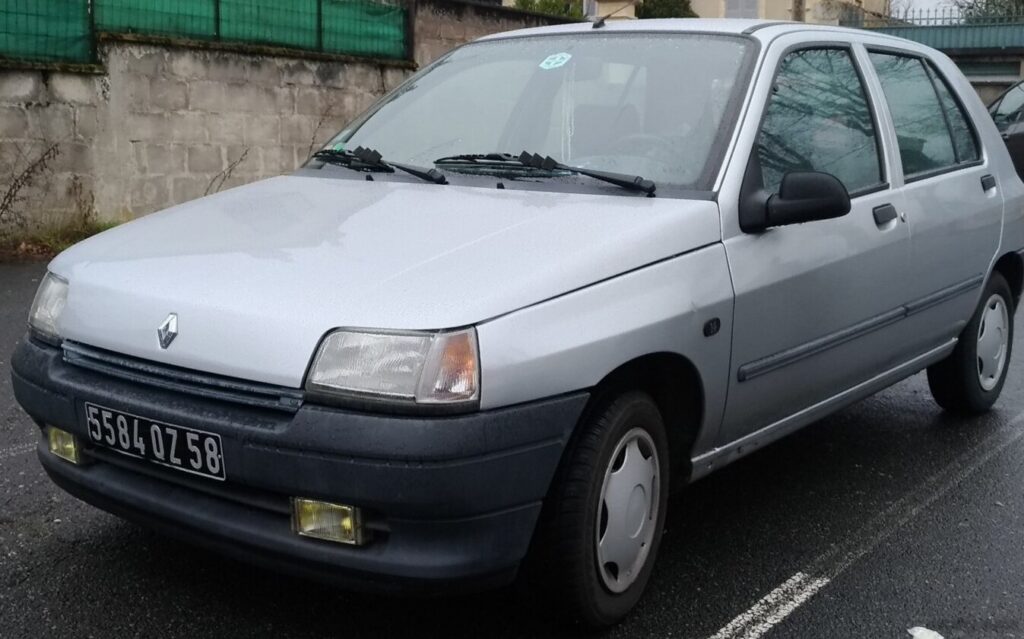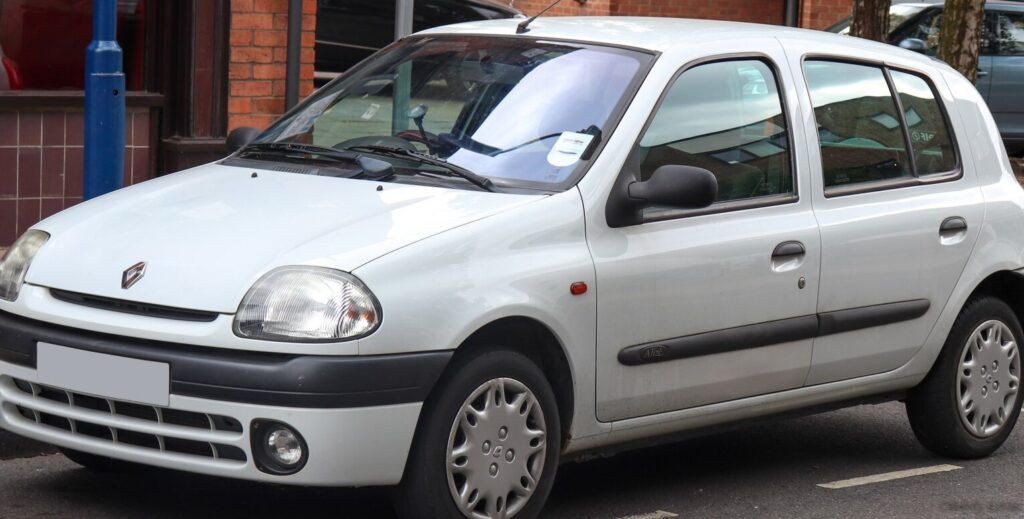
The Renault Clio II (Phase I) 1.4 Automatic, produced from 2000 to 2001, represented an entry-level offering within the second generation Clio range (the 1HB/1HB9 platform). Positioned as a practical and affordable option, it catered to buyers prioritizing ease of use and fuel efficiency over outright performance. This five-door hatchback variant aimed for a broad demographic, particularly those new to driving or seeking a comfortable city car. The 1.4 Automatic served as a stepping stone into the Clio II lineup, below the more powerful 1.6 and sportier versions, and offered a distinct alternative to the available manual transmissions.
Powertrain & Engine Architecture
The heart of the Clio II 1.4 Automatic is the Renault E7J engine, a 1390cc inline-four cylinder petrol engine. This engine, a mainstay in Renault’s lineup for several years, is characterized by its relatively simple design and robust construction. It utilizes a multi-port fuel injection system, delivering fuel directly into the intake ports, and an overhead camshaft (OHC) valvetrain operating two valves per cylinder. The E7J engine produces 75 horsepower (hp) at 5500 rpm and 114 Newton-meters (84.08 lb-ft) of torque at 4250 rpm. The engine’s compression ratio is 9.5:1, contributing to a balance between efficiency and performance.
Crucially, this variant was paired with a four-speed automatic transmission. This transmission, while providing convenience, was not known for its particularly quick shifts or sporting character. It was selected to appeal to drivers who preferred the simplicity of automatic operation, especially in urban environments. The transmission’s gear ratios were optimized for fuel economy and smooth acceleration, rather than aggressive performance. The automatic transmission was a DP0 type, a common unit in Renault vehicles of the period.
Engine Code Specifics
The E7J engine code encompasses several variations, but the version used in the Clio II 1.4 Automatic is generally identified by its specific calibration and associated engine management system. The engine’s durability is generally considered good, though regular maintenance, including oil changes and timing belt replacements, is essential for long-term reliability. The engine oil capacity is 2.9 liters (3.06 US quarts / 2.55 UK quarts), and the coolant capacity is 5.5 liters (5.81 US quarts / 4.84 UK quarts).
Driving Characteristics
The driving experience in the Clio II 1.4 Automatic is best described as comfortable and undemanding. Acceleration from 0 to 100 km/h (0-62 mph) takes approximately 14.1 seconds, and 0 to 60 mph is achieved in around 13.4 seconds. The top speed is rated at 165 km/h (102.53 mph). These figures are modest, reflecting the engine’s relatively low output and the inherent efficiency losses associated with the automatic transmission. Compared to the manual transmission versions of the 1.4, or the more powerful 1.6 models, the automatic variant feels noticeably slower, particularly during overtaking maneuvers.
The four-speed automatic transmission contributes to a smooth, if somewhat leisurely, driving experience. Gear changes are generally unobtrusive, but can feel hesitant under hard acceleration. The transmission’s programming prioritizes fuel efficiency, resulting in relatively high gearing. This makes the car feel relaxed at cruising speeds, but requires more throttle input for quicker responses. The weight-to-power ratio of 13.1 kg/hp further emphasizes the car’s focus on practicality rather than performance.
Equipment & Trim Levels
The Clio II 1.4 Automatic, as an entry-level trim, typically came equipped with a basic but functional set of features. Standard equipment generally included power steering, central locking, front electric windows, and an adjustable steering column. Interior upholstery was typically cloth, with a simple dashboard layout. Safety features included ABS (Anti-lock Braking System) as standard, a significant improvement over earlier models.
Optional extras available for this trim level included air conditioning, alloy wheels, a radio/cassette player, and upgraded interior trim. Higher trim levels, such as the RT and Exception, offered more luxurious features as standard, but the 1.4 Automatic provided a solid foundation for those seeking a cost-effective and well-equipped hatchback.
Chassis & Braking
The Clio II 1.4 Automatic utilizes a front-wheel-drive layout with a MacPherson strut independent suspension at the front and a coil spring torsion beam suspension at the rear. This suspension setup provides a comfortable ride quality, absorbing bumps and imperfections in the road surface effectively. The front brakes are discs, offering good stopping power, while the rear brakes are drums, a cost-saving measure typical of entry-level models. The car’s kerb weight of 985 kg (2171.55 lbs) contributes to its manageable handling characteristics.
The steering is a hydraulic power steering system, providing light and easy steering input, particularly useful for maneuvering in tight spaces. Tire size is typically 165/65 R14, mounted on 5.5J x 14 inch wheel rims. The chassis is designed to prioritize comfort and stability over sporty handling, making it a suitable choice for everyday driving.
Market Reception & Comparison
The Clio II 1.4 Automatic received generally positive reviews for its practicality, fuel efficiency, and ease of use. Critics acknowledged its modest performance, but recognized its appeal to buyers who prioritized comfort and convenience over outright speed. Fuel consumption figures were respectable for the time, with approximately 9.9 l/100 km (23.8 US mpg / 28.5 UK mpg) in urban conditions and 6 l/100 km (39.2 US mpg / 47.1 UK mpg) on the extra-urban cycle.
Compared to the manual transmission versions of the 1.4, the automatic variant offered slightly lower fuel economy and slower acceleration. However, it provided a more relaxed and convenient driving experience, particularly in stop-and-go traffic. Compared to the more powerful 1.6 models, the 1.4 Automatic was significantly less expensive to purchase and insure, making it an attractive option for budget-conscious buyers.
Technical Specifications
| Engine Type | Inline-4, Petrol |
| Engine Displacement | 1390 cm3 (84.82 cu. in.) |
| Engine Code | E7J |
| Power Output | 75 hp @ 5500 rpm |
| Torque | 114 Nm (84.08 lb-ft) @ 4250 rpm |
| Fuel Injection | Multi-port |
| Valvetrain | OHC (2 valves/cylinder) |
| Compression Ratio | 9.5:1 |
| Transmission | 4-speed Automatic |
| Drive Type | Front-Wheel Drive |
| Kerb Weight | 985 kg (2171.55 lbs) |
| Maximum Weight | 1525 kg (3362.05 lbs) |
| Fuel Tank Capacity | 50 l (13.21 US gal / 11 UK gal) |
| Top Speed | 165 km/h (102.53 mph) |
| 0-100 km/h | 14.1 sec |
| Fuel Consumption (Urban) | 9.9 l/100 km (23.8 US mpg) |
| Fuel Consumption (Extra-Urban) | 6 l/100 km (39.2 US mpg) |
| Front Brakes | Disc |
| Rear Brakes | Drum |
Legacy
The Renault Clio II 1.4 Automatic, while not a performance icon, has proven to be a relatively reliable and durable vehicle. The E7J engine, when properly maintained, can withstand high mileage. The automatic transmission, while not known for its sophistication, is generally robust. In the used car market, these Clios are often sought after as affordable and practical transportation. However, potential buyers should be aware of the importance of regular maintenance, particularly timing belt replacements, to ensure long-term reliability. Rust can also be an issue on older examples, so a thorough inspection is recommended. Today, the Clio II 1.4 Automatic represents a nostalgic reminder of a simpler era in automotive design, offering a comfortable and undemanding driving experience for those seeking a classic European hatchback.