
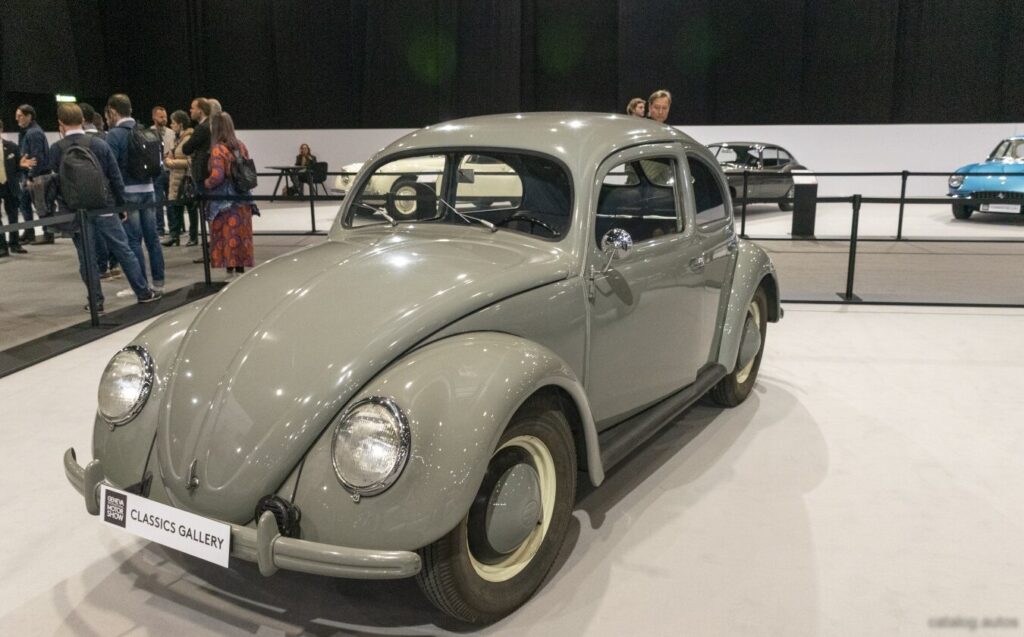
The Volkswagen Käfer 1500, produced between 1966 and 1970, represented a significant step in the evolution of the iconic Volkswagen Beetle. This variant, often referred to as the 1500, featured a larger 1.5-liter engine than its predecessors, offering increased power and improved driving characteristics. It occupied a crucial position in the Käfer lineup, bridging the gap between the earlier, lower-powered models and the later 1600 variants. The 1500 was part of the first generation of the Käfer, a model that would become synonymous with affordable, reliable transportation worldwide. It was built on the same chassis and utilized the same fundamental rear-engine, rear-wheel-drive layout that defined the Beetle for decades.
Volkswagen Käfer 1500: A Detailed Overview
The introduction of the 1500 marked a response to growing demands for a more refined and capable Beetle. While the original Beetle, with its 1192cc engine, was undeniably charming, it lacked the power needed for comfortable highway driving or navigating hilly terrain. The 1500 addressed these concerns, providing a noticeable performance boost without sacrificing the Beetle’s core values of simplicity and affordability. This model year also saw subtle refinements to the interior and exterior, enhancing the overall ownership experience.
Powertrain & Engine Architecture
The heart of the Käfer 1500 is its 1493cc, air-cooled, naturally aspirated flat-four engine. This engine, internally designated as the Type 128, was a direct evolution of the earlier Beetle engines, but with a larger bore and stroke. The increased displacement resulted in a power output of 44 horsepower (33 kW) at 4000 rpm and 86 lb-ft (117 Nm) of torque at 3000 rpm. The engine utilized a single Solex 28 PCI carburetor for fuel delivery, a common setup for the time. The valvetrain consisted of a single overhead camshaft operating two valves per cylinder. The engine’s cooling system relied entirely on air, with cooling fins cast into the cylinder heads and crankcase to dissipate heat. Lubrication was provided by a pressure-fed system with a wet sump. The engine was mounted in the rear of the vehicle, driving the rear wheels through a four-speed manual transmission. An automatic transmission was *not* offered with the 1500 model; all examples were equipped with the standard manual gearbox.
Driving Characteristics
The Käfer 1500 offered a noticeable improvement in driving experience compared to earlier Beetles. The increased power and torque made it more capable of handling inclines and maintaining speed on the highway. While not a sports car by any means, the 1500 provided sufficient power for everyday driving and even some spirited motoring. The four-speed manual transmission was relatively easy to operate, with well-defined shift points. The rear-engine layout contributed to a unique driving feel, characterized by a slight tendency towards oversteer, particularly when cornering at higher speeds. However, experienced drivers could easily manage this characteristic. The 1500’s suspension, consisting of torsion bars at the front and trailing arms at the rear, provided a reasonably comfortable ride, although it could be somewhat bouncy on uneven surfaces. The steering was relatively light but lacked precision compared to modern steering systems.
Equipment & Trim Levels
The Käfer 1500 was offered with a relatively basic level of equipment, reflecting its position as an affordable and practical vehicle. Standard features included cloth upholstery, a simple dashboard with basic instrumentation (speedometer, fuel gauge, and temperature gauge), and manually operated windows. The interior was functional and durable, designed to withstand years of use. Optional extras included a sunroof, a radio, and upgraded upholstery. The exterior trim was minimal, with chrome bumpers and hubcaps being the most prominent features. Paint options were typically limited to a range of solid colors. The 1500 did not offer distinct “trim levels” in the modern sense; rather, buyers could customize their vehicles with various options and accessories.
Chassis & Braking
The Käfer 1500 utilized a robust chassis construction, consisting of a platform chassis with a central tunnel. The suspension system, as mentioned earlier, employed torsion bars at the front and trailing arms at the rear. The brakes were mechanically operated drum brakes on all four wheels. While adequate for the vehicle’s weight and performance, the drum brakes lacked the stopping power and fade resistance of disc brakes. Steering was accomplished through a worm-and-roller steering gear. The tires were typically narrow bias-ply tires, which contributed to the Beetle’s distinctive handling characteristics. The 1500’s relatively light weight (approximately 1830 lbs or 830 kg) helped to offset the limitations of its braking and steering systems.
Market Reception & Comparison
The Käfer 1500 was generally well-received by critics and consumers alike. It was praised for its increased power, improved drivability, and continued affordability. Compared to the earlier Beetle models, the 1500 offered a more refined and enjoyable driving experience. However, it was still a relatively basic vehicle, lacking many of the features found on more modern cars. Compared to the later 1600 models, the 1500 offered slightly less power and performance, but it was also generally less expensive to maintain. Fuel economy was excellent, typically exceeding 30 miles per gallon. Reliability was also a strong point, with the Käfer 1500 being known for its durability and longevity. The 1500 competed with other small, affordable cars of the era, such as the Ford Cortina and the Hillman Imp, but it distinguished itself through its unique design and loyal following.
Technical Specifications
| Engine Type | Air-cooled, Flat-Four |
| Displacement | 1493 cc (91.0 cu in) |
| Bore x Stroke | 82.5 mm x 76.5 mm (3.25 in x 3.01 in) |
| Compression Ratio | 8.5:1 |
| Fuel System | Solex 28 PCI Carburetor |
| Maximum Power | 44 hp (33 kW) @ 4000 rpm |
| Maximum Torque | 86 lb-ft (117 Nm) @ 3000 rpm |
| Transmission | 4-Speed Manual |
| Drivetrain | Rear-Wheel Drive |
| Suspension (Front) | Torsion Bars |
| Suspension (Rear) | Trailing Arms |
| Brakes | Mechanical Drum Brakes (All Wheels) |
| Curb Weight | 1830 lbs (830 kg) |
| Fuel Tank Capacity | 40 liters (10.6 US gal; 8.8 imp gal) |
| Engine Oil Capacity | 2.5 liters (2.64 US qt; 2.2 UK qt) |
Legacy
The Käfer 1500 holds a significant place in automotive history as a pivotal model in the evolution of the iconic Beetle. It demonstrated Volkswagen’s commitment to continuous improvement and laid the groundwork for the later, more powerful 1600 variants. Today, the Käfer 1500 is a popular choice among classic car enthusiasts, prized for its simplicity, reliability, and affordability. Well-maintained examples can fetch respectable prices in the used car market. The engine, while relatively simple, is known for its durability and ease of maintenance. Parts availability remains good, thanks to the Beetle’s enduring popularity and the extensive aftermarket support. The Käfer 1500 continues to be a symbol of a bygone era, representing a time when cars were built to last and driving was a more engaging and visceral experience.
