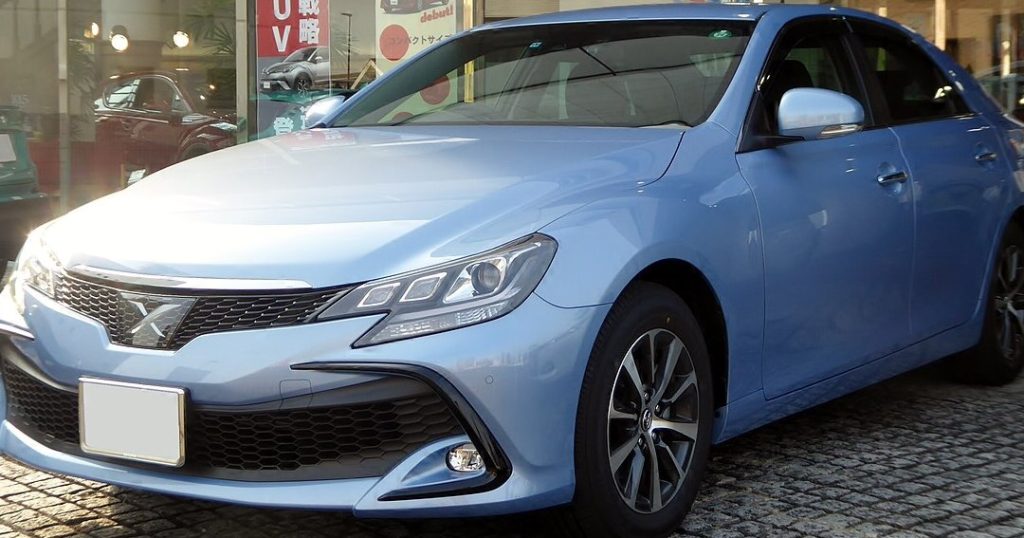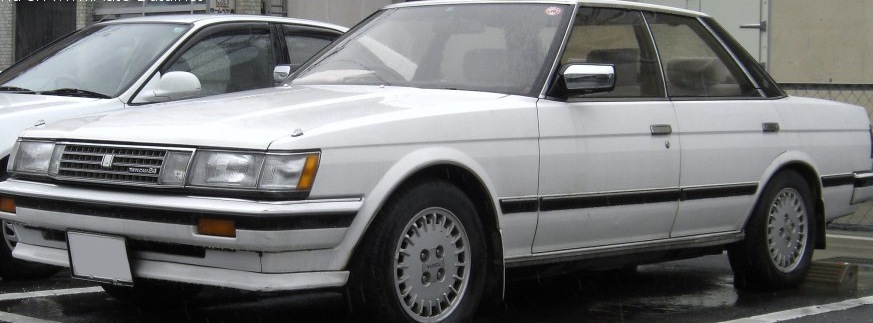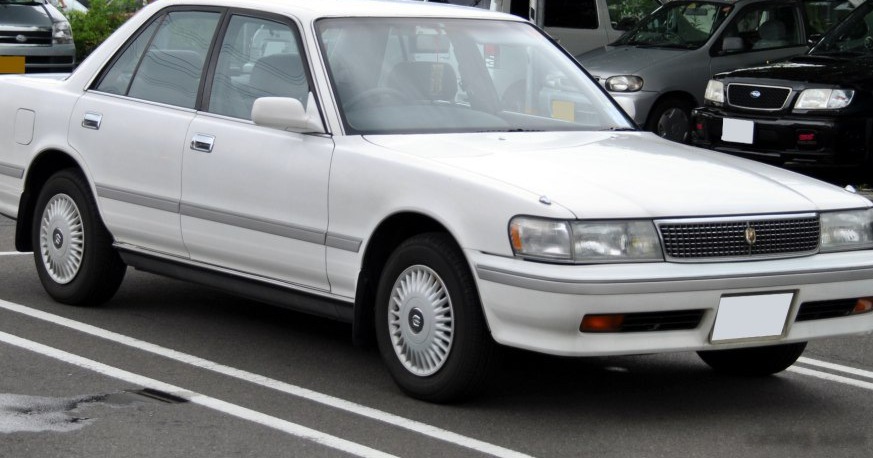
The Toyota Mark II GX90 2.0i 24V, produced between 1992 and 1996, represents a significant iteration in Toyota’s long-running Mark II lineage. This model, part of the broader GX90 generation (introduced in 1992 and lasting until 1996), occupied a middle ground within the Mark II lineup, offering a balance between performance, comfort, and affordability. It was positioned as a step up from the base models, but below the more powerful and luxurious variants like the 2.5L engines. The GX90 series, built on the JZX90 chassis, was known for its blend of sporty handling and refined interior, appealing to a broad range of Japanese domestic market (JDM) buyers.
Powertrain & Engine Architecture
The heart of the Mark II 2.0i 24V is the 1G-FE inline-six cylinder engine. This 1988 cc (121.32 cubic inches) engine is a naturally aspirated, 24-valve DOHC (Dual Overhead Camshaft) powerplant. The 1G-FE utilizes a multi-port fuel injection system, delivering fuel directly to each cylinder for optimized combustion. The engine’s bore and stroke are both 75mm (2.95 inches), resulting in a compression ratio of 9.6:1. This configuration allowed for a respectable 135 horsepower at 5600 rpm and 177 Nm (130.55 lb-ft) of torque at 4400 rpm. The engine oil capacity is 4.1 liters (4.33 US quarts / 3.61 UK quarts).
While a five-speed manual transmission was available on some Mark II models, the 2.0i 24V was most commonly paired with a four-speed automatic transmission. This automatic, a Toyota-developed unit, was chosen to cater to buyers prioritizing ease of use and comfort over outright performance. The automatic transmission featured electronically controlled torque converter lock-up for improved fuel efficiency at highway speeds. The transmission’s gear ratios were tuned for smooth acceleration and relaxed cruising, rather than aggressive downshifts.
Engine Code Specifics
The 1G-FE engine code designates a specific iteration of Toyota’s 1G series inline-six. This engine was known for its relative reliability and durability, benefiting from Toyota’s established engineering practices. The 24-valve configuration, achieved through the DOHC design, improved breathing and contributed to the engine’s power output. The engine’s design prioritized smooth operation and refinement, making it well-suited for the Mark II’s intended role as a comfortable and capable mid-size sedan.
Driving Characteristics
The Mark II 2.0i 24V with the automatic transmission delivers a comfortable and predictable driving experience. Acceleration is adequate for everyday driving, but it doesn’t offer the briskness of the higher-powered variants. The four-speed automatic transmission, while smooth, can feel somewhat dated by modern standards, with noticeable shifts and a tendency to hunt for gears on inclines. The power delivery is linear, with peak torque arriving at 4400 rpm, providing sufficient pull for merging and overtaking maneuvers. Compared to the five-speed manual versions, the automatic sacrifices some responsiveness, but gains in ease of use, particularly in urban environments.
The rear-wheel-drive configuration contributes to a balanced feel, although the relatively modest power output doesn’t fully exploit the chassis’ potential. The suspension, tuned for comfort, absorbs bumps effectively, but can exhibit some body roll during spirited cornering. Overall, the driving experience is geared towards relaxed cruising and everyday usability, rather than outright performance.
Equipment & Trim Levels
The Mark II 2.0i 24V typically came equipped with a reasonable level of standard features. Interior appointments generally included cloth upholstery, power windows, power locks, and a basic audio system. Air conditioning was standard. The dashboard layout was functional and straightforward, prioritizing ease of use. Optional extras included upgraded audio systems, alloy wheels, a sunroof, and leather upholstery. Higher trim levels within the 2.0i range offered additional features such as automatic climate control and power-adjustable seats.
The GX90 Mark II aimed for a balance between practicality and comfort. While not as lavishly equipped as the top-of-the-line models, the 2.0i 24V provided a comfortable and well-appointed interior for its price point. The focus was on providing a pleasant driving experience without excessive luxury.
Chassis & Braking
The Mark II GX90 utilizes a traditional rear-wheel-drive layout with a longitudinally mounted engine. The front suspension consists of independent, multi-link struts, while the rear suspension employs a multi-link setup with trailing arms. This suspension configuration provides a good balance between ride comfort and handling. The kerb weight of the 2.0i 24V is 1280 kg (2821.92 lbs), and the maximum weight is 1555 kg (3428.19 lbs).
Braking duties are handled by ventilated discs on the front wheels and discs on the rear wheels. Power-assisted steering is standard, providing light and responsive steering feel. Tire size is typically 195/65 R15. The braking system is adequate for the car’s weight and performance, providing sufficient stopping power in normal driving conditions.
Market Reception & Comparison
The Toyota Mark II GX90 2.0i 24V was generally well-received in the Japanese market. Critics praised its comfortable ride, refined interior, and reliable engine. However, some reviewers noted that the automatic transmission could feel sluggish compared to the manual versions, and that the overall performance was not as exciting as the more powerful Mark II variants. Fuel economy was considered reasonable for a vehicle of its size and class, with combined fuel consumption rated at 10 l/100 km (23.5 US mpg / 28.2 UK mpg).
Compared to other trims in the Mark II lineup, the 2.0i 24V offered a more affordable entry point into the Mark II range. It provided a good balance between performance and economy, making it a popular choice for buyers who didn’t require the extra power of the 2.5L engines. The 1.8L models were even more affordable, but offered less performance. The 2.0i 24V represented a sweet spot in the lineup for many buyers.
Technical Specifications
| Body Type | Sedan, 4 Doors, 5 Seats |
| Fuel Economy (Combined) | 10 l/100 km (23.5 US mpg, 28.2 UK mpg) |
| Power | 135 Hp @ 5600 rpm |
| Torque | 177 Nm @ 4400 rpm (130.55 lb.-ft. @ 4400 rpm) |
| Engine Size | 2.0 l (1988 cm3 / 121.32 cu. in.) |
| Number of Cylinders | 6, Inline |
| Drivetrain | Rear wheel drive |
| Transmission | 4-speed Automatic |
| Length | 4750 mm (187.01 in.) |
| Width | 1750 mm (68.9 in.) |
| Height | 1390 mm (54.72 in.) |
| Wheelbase | 2730 mm (107.48 in.) |
| Kerb Weight | 1280 kg (2821.92 lbs.) |
| Gross Weight | 1555 kg (3428.19 lbs.) |
| Fuel Tank Capacity | 70 l (18.49 US gal / 15.4 UK gal) |
Legacy
The Toyota Mark II GX90 2.0i 24V, while not the most sought-after variant, remains a respected and reliable vehicle. The 1G-FE engine is known for its longevity and relatively low maintenance costs. In the used car market, these models are often appreciated for their affordability and practicality. Parts availability is generally good, although some specific trim pieces may be difficult to find. The GX90 Mark II 2.0i 24V represents a well-built and dependable Japanese sedan from the early 1990s, offering a comfortable and enjoyable driving experience for those seeking a classic JDM vehicle.
Today, these vehicles are increasingly popular with enthusiasts who appreciate their simple mechanicals and classic styling. While not a high-performance machine, the Mark II 2.0i 24V offers a unique blend of comfort, reliability, and understated elegance.