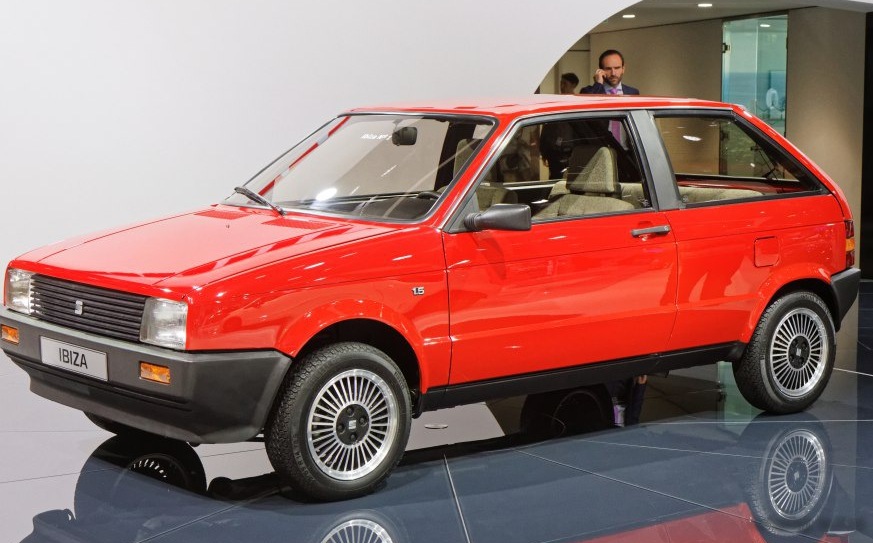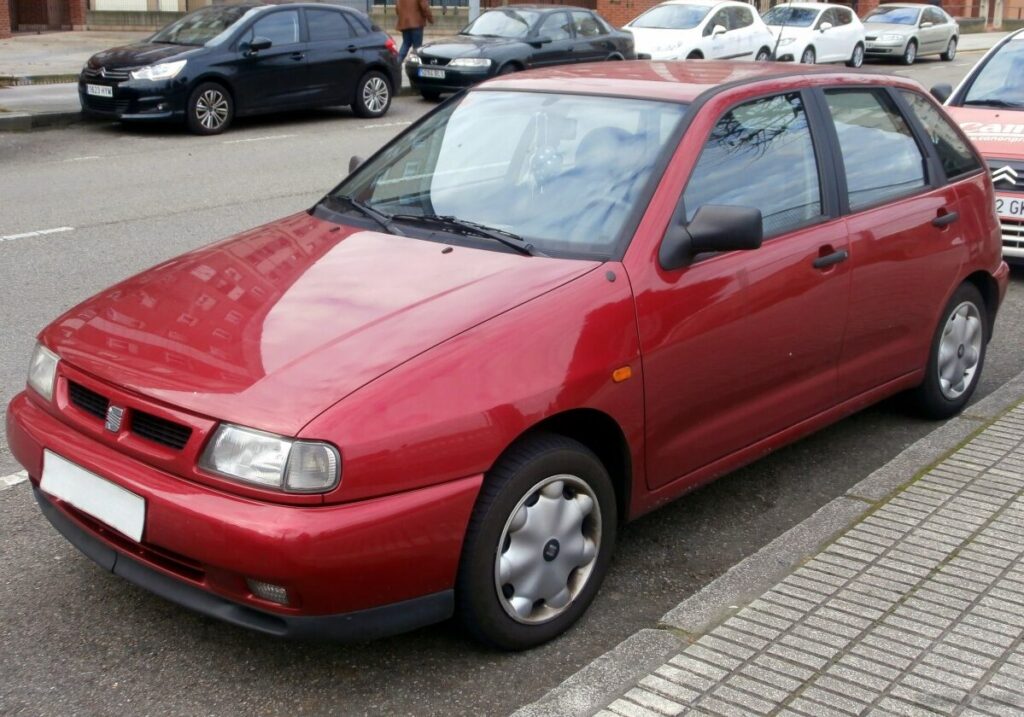
The Seat Ibiza II 1.8 i (90 hp) was a popular hatchback produced between February 1993 and 1999, forming a key part of the second-generation Ibiza lineup (Ibiza II, internally designated 6K). Positioned as a mid-range offering, it bridged the gap between the base 1.4 and 1.6-liter models and the more performance-oriented variants like the 2.0-liter models. Built on the Volkswagen Group’s 1HX0/A3 platform – shared with the Volkswagen Polo, Golf Mk3, and other models – the 1.8 i offered a balance of affordability, practicality, and reasonable performance, making it a common sight on European roads during the 1990s.
Powertrain & Engine Architecture
The heart of the Ibiza II 1.8 i was the Volkswagen Group’s 1.8-liter inline four-cylinder gasoline engine. Two primary engine codes were utilized: ABS and ADZ. While largely similar, subtle differences existed between the two, primarily relating to minor revisions in fuel injection mapping and emissions control. The engine featured a single-point fuel injection system (also known as mono-point injection), where a single fuel injector delivered fuel into the intake manifold. This system, while simpler and less expensive than multi-point injection, offered adequate performance for the intended market segment.
The engine employed an overhead camshaft (OHC) valvetrain with two valves per cylinder. This configuration contributed to a relatively broad torque curve, making the engine tractable in everyday driving conditions. The 1781 cc displacement, combined with a compression ratio of 10:1, yielded a maximum power output of 90 hp (67 kW) at 5500 rpm and a peak torque of 145 Nm (107 lb-ft) at 2900 rpm. The engine was transversely mounted in the front of the vehicle, driving the front wheels.
Crucially, the 1.8 i was often paired with a four-speed automatic transmission. This transmission, while providing convenience, was a significant factor differentiating this variant from others in the Ibiza II range, which were more commonly equipped with five-speed manual gearboxes. The automatic transmission featured standard torque converter technology and was designed for smooth, comfortable operation rather than outright performance.
Automatic Transmission Details
The four-speed automatic transmission used in the Ibiza II 1.8 i was a common unit within the Volkswagen Group at the time. It was known for its reliability, but its gear ratios were optimized for fuel efficiency and comfort rather than acceleration. The first gear was relatively short, providing decent off-the-line acceleration, but the higher gears were spaced to prioritize highway cruising. This resulted in a noticeable difference in acceleration compared to the manual transmission versions of the 1.8-liter engine.
Driving Characteristics
The Seat Ibiza II 1.8 i with the automatic transmission offered a comfortable and undemanding driving experience. Acceleration from 0 to 62 mph (0-100 km/h) took approximately 11.4 seconds, and the top speed was around 113 mph (182 km/h). While not particularly sporty, the engine provided sufficient power for everyday driving, including overtaking maneuvers on open roads. The automatic transmission contributed to a relaxed driving style, particularly in urban environments.
Compared to the five-speed manual version of the 1.8-liter engine, the automatic variant felt noticeably slower, especially during acceleration. The automatic transmission’s torque converter introduced some power loss, and the wider gear spacing meant the engine often operated at lower rpm, reducing its responsiveness. However, the automatic transmission appealed to drivers who prioritized convenience and ease of use over outright performance.
The weight-to-power ratio of 10.6 kg/hp and the weight-to-torque ratio of 6.6 kg/Nm indicated a reasonable, though not exceptional, level of performance for the time. The car felt stable and predictable in corners, but the suspension setup was tuned for comfort rather than sporty handling.
Equipment & Trim Levels
The 1.8 i automatic typically came with a reasonable level of standard equipment. This included power steering, central locking, electric front windows, and an adjustable steering column. Interior upholstery was typically cloth, with a relatively simple dashboard layout. Optional extras included air conditioning, a sunroof, alloy wheels, and upgraded audio systems. The trim level varied slightly depending on the market, but generally, the 1.8 i automatic was positioned as a step above the base models in terms of features and comfort.
The interior design of the Ibiza II was functional and practical, with a focus on durability. The seats were supportive, and the dashboard layout was straightforward and easy to use. The car offered adequate space for five passengers, although rear legroom was somewhat limited. The trunk capacity ranged from 270 liters (9.53 cu ft) with the rear seats up to 580 liters (20.48 cu ft) with the rear seats folded down.
Chassis & Braking
The Seat Ibiza II 1.8 i featured a front-wheel-drive layout with independent wishbone suspension at the front and a spring strut rear suspension. This suspension setup provided a comfortable ride, absorbing bumps and imperfections in the road surface effectively. The front brakes were disc brakes, while the rear brakes were drum brakes. Anti-lock braking system (ABS) was often included as standard equipment, enhancing safety and stability during braking.
The steering was rack and pinion with hydraulic power assistance, providing light and precise steering feel. The tires were typically 175/70 R13, offering a good balance of grip and ride comfort. The chassis was relatively lightweight, contributing to the car’s nimble handling characteristics.
Market Reception & Comparison
The Seat Ibiza II 1.8 i automatic was generally well-received by automotive critics as a practical and affordable hatchback. It was praised for its comfortable ride, reasonable performance, and good fuel economy (7.5 l/100 km or 31.4 US mpg). However, the automatic transmission was sometimes criticized for its lack of responsiveness compared to the manual gearbox. Compared to the higher-performance Ibiza variants, such as the 2.0-liter models, the 1.8 i automatic offered a more relaxed and refined driving experience, appealing to a different type of buyer.
In terms of reliability, the 1.8-liter engine and automatic transmission were generally considered to be robust and dependable. However, like any car of this age, regular maintenance was essential to prevent problems. Common issues included corrosion, particularly in areas exposed to salt, and wear and tear on suspension components.
Technical Specifications
| Brand | Seat |
| Model | Ibiza |
| Generation | Ibiza II |
| Type (Engine) | 1.8 i (90 Hp) |
| Start of production | February, 1993 |
| End of production | 1999 |
| Fuel consumption (combined) | 7.5 l/100 km |
| Fuel consumption (US mpg) | 31.4 US mpg |
| Fuel consumption (UK mpg) | 37.7 UK mpg |
| Fuel Type | Petrol (Gasoline) |
| Acceleration 0 – 100 km/h | 11.4 sec |
| Acceleration 0 – 62 mph | 11.4 sec |
| Acceleration 0 – 60 mph | 10.8 sec |
| Maximum speed | 182 km/h (113.09 mph) |
| Weight-to-power ratio | 10.6 kg/Hp |
| Weight-to-torque ratio | 6.6 kg/Nm |
| Power | 90 Hp @ 5500 rpm |
| Torque | 145 Nm @ 2900 rpm (106.95 lb.-ft. @ 2900 rpm) |
| Engine layout | Front, Transverse |
| Engine Model/Code | ABS, ADZ |
| Engine displacement | 1781 cm3 (108.68 cu. in.) |
| Number of cylinders | 4 |
| Engine configuration | Inline |
| Cylinder Bore | 81 mm (3.19 in.) |
| Piston Stroke | 86.4 mm (3.4 in.) |
| Compression ratio | 10:1 |
| Number of valves per cylinder | 2 |
| Fuel injection system | Single-point injection |
| Engine aspiration | Naturally aspirated |
| Valvetrain | OHC |
| Engine oil capacity | 4 l (4.23 US qt | 3.52 UK qt) |
| Coolant capacity | 6 l (6.34 US qt | 5.28 UK qt) |
| Kerb Weight | 955 kg (2105.41 lbs.) |
| Max. weight | 1430 kg (3152.61 lbs.) |
| Max load | 475 kg (1047.2 lbs.) |
| Trunk (boot) space – minimum | 270 l (9.53 cu. ft.) |
| Trunk (boot) space – maximum | 580 l (20.48 cu. ft.) |
| Fuel tank capacity | 47 l (12.42 US gal | 10.34 UK gal) |
| Length | 3813 mm (150.12 in.) |
| Width | 1640 mm (64.57 in.) |
| Height | 1408 mm (55.43 in.) |
| Wheelbase | 2440 mm (96.06 in.) |
| Drivetrain Architecture | Front wheel drive |
| Number of gears and type of gearbox | 4 gears, automatic transmission |
Legacy
The Seat Ibiza II 1.8 i automatic, while not a particularly rare or collectible model, remains a relatively common sight on the used car market. Its reputation for reliability and affordability has ensured its continued presence on the roads. The 1.8-liter engine and automatic transmission are generally considered to be durable and long-lasting, although regular maintenance is essential to prevent problems. Today, these cars represent an affordable entry point into classic European motoring, offering a simple and practical driving experience.
The 1.8 i automatic variant of the Ibiza II is remembered as a sensible and practical choice for drivers who prioritized comfort and convenience over outright performance. It represents a significant chapter in Seat’s history, demonstrating the brand’s ability to produce affordable and reliable vehicles for the mass market.