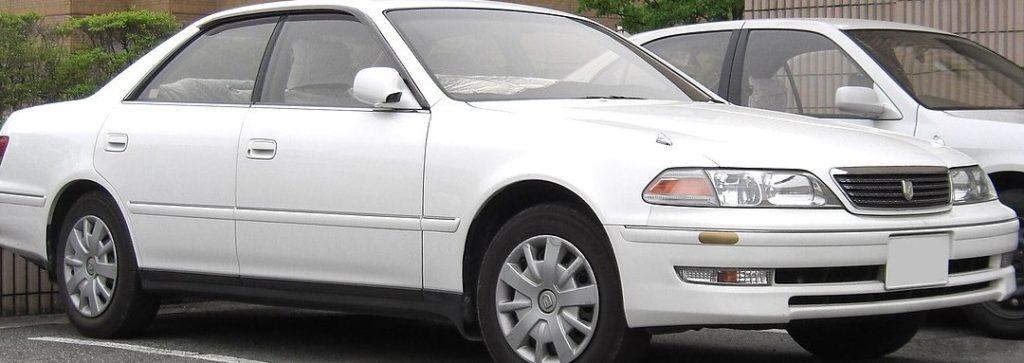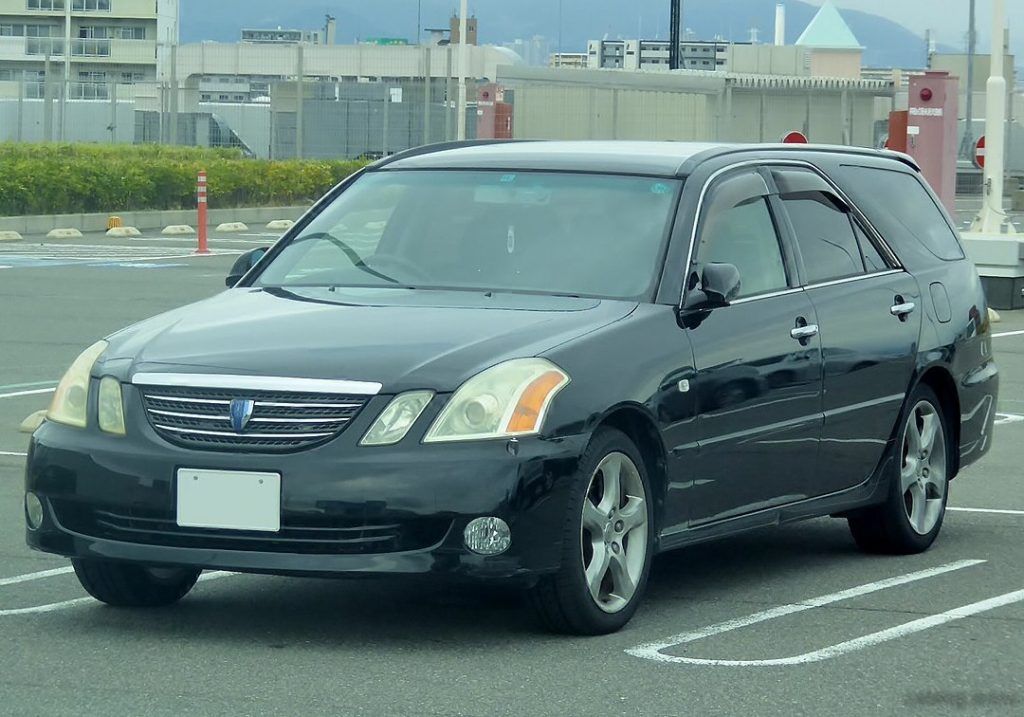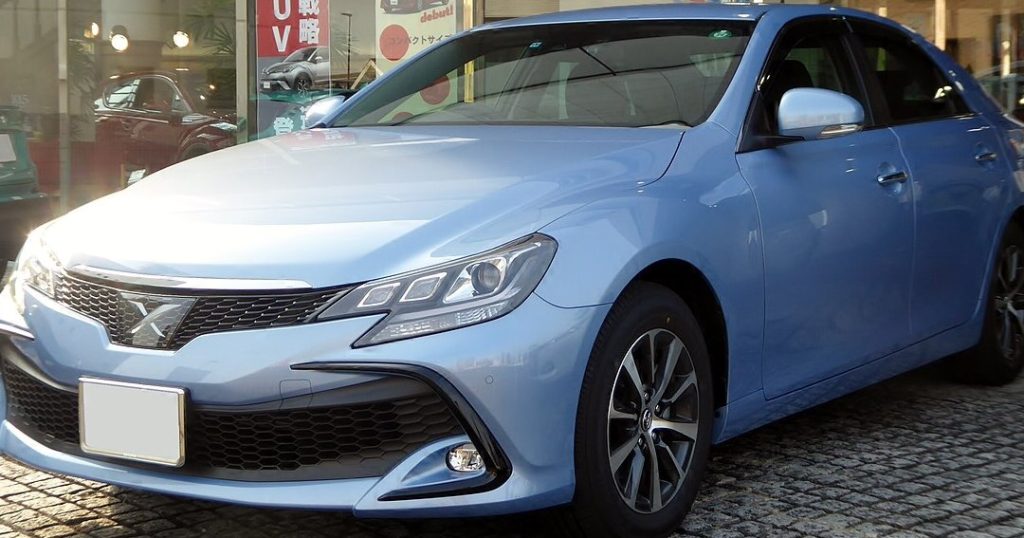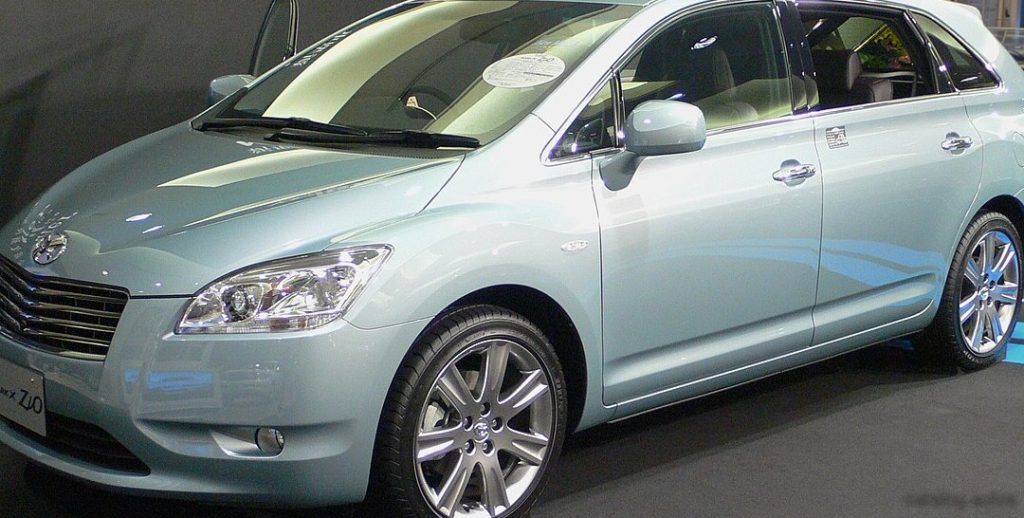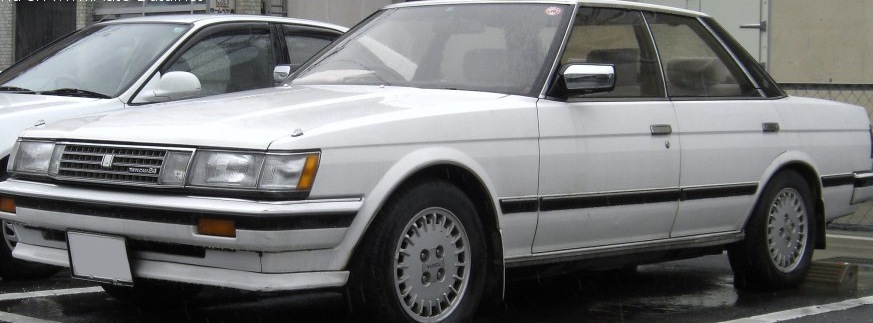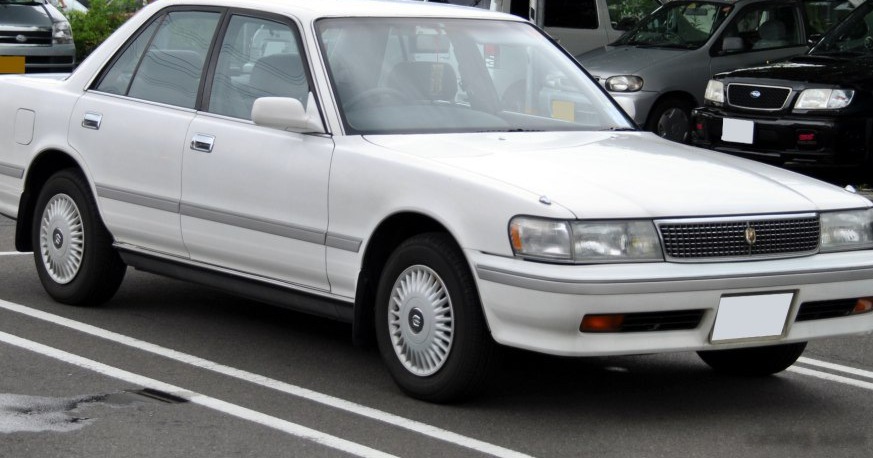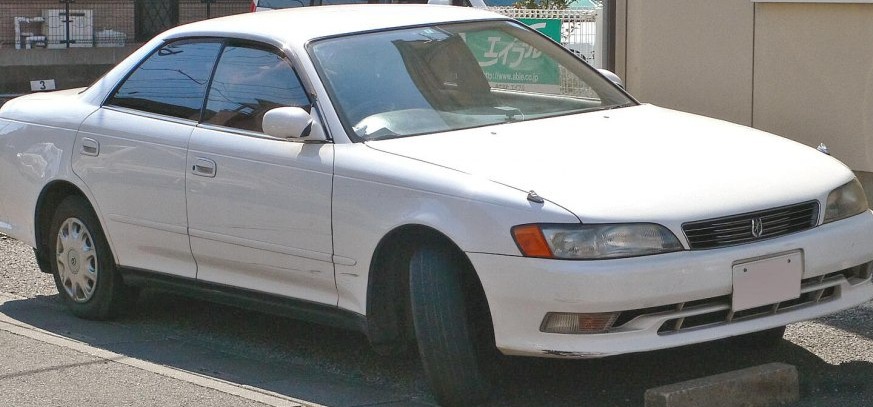
The Toyota Mark II GX90 2.0i 24V Automatic, produced between 1992 and 1996, represents a significant iteration of Toyota’s long-running Mark II lineage. This variant occupied a middle ground within the GX90 range, offering a balance between performance, comfort, and affordability. Positioned above the base 1.8L models and below the more powerful 2.4L and turbocharged options, the 2.0i Automatic catered to buyers seeking a refined and capable sedan for daily driving. The GX90 generation itself was built on the JZX90 chassis, known for its robust construction and rear-wheel-drive configuration, a hallmark of the Mark II series.
Powertrain & Engine Architecture
At the heart of the Mark II 2.0i Automatic lies the 1G-FE engine, a 2.0-liter (1988 cc) inline-six cylinder gasoline engine. This engine is characterized by its smooth operation and relatively simple design. The 1G-FE utilizes a multi-port fuel injection system, delivering fuel directly to each cylinder for optimized combustion. It features a double overhead camshaft (DOHC) valvetrain with four valves per cylinder, contributing to its respectable power output. The engine produces 135 horsepower at 5600 rpm and 177 Nm (130.55 lb-ft) of torque at 4400 rpm. The compression ratio is set at 9.6:1. Engine oil capacity is 4.1 liters (4.33 US quarts / 3.61 UK quarts).
Paired with the 1G-FE engine is a four-speed automatic transmission. This transmission was a common choice for Mark II buyers prioritizing ease of use and comfort over outright performance. While not known for its sportiness, the automatic transmission provided smooth shifts and adequate acceleration for everyday driving. The transmission’s gear ratios were tuned for a balance of fuel efficiency and responsiveness, though it lacked the close ratios found in manual transmission variants.
Engine Code Specifics
The 1G-FE engine code designates a specific iteration of Toyota’s 1G series inline-six engines. This particular version was designed for fuel efficiency and reliability, making it a popular choice in a variety of Toyota vehicles during the early to mid-1990s. The engine’s design emphasized durability, with robust internal components and a relatively conservative tuning strategy. This contributed to its reputation for long-term reliability, even with moderate maintenance.
Driving Characteristics
The Mark II 2.0i Automatic offered a comfortable and composed driving experience. While not a sports sedan, it provided adequate acceleration for merging onto highways and navigating city streets. The automatic transmission, while smooth, did result in some power loss compared to the five-speed manual transmission available on other Mark II models. The 0-60 mph time was estimated to be around 10-11 seconds, placing it behind the more powerful trims. The rear-wheel-drive configuration provided a balanced feel and predictable handling, although it lacked the agility of some front-wheel-drive competitors.
The four-speed automatic transmission’s gear ratios were optimized for cruising, with a relatively tall final drive. This contributed to good fuel economy on the highway but could feel somewhat sluggish during hard acceleration. The engine’s torque curve was relatively flat, providing usable power across a wide range of engine speeds. Overall, the driving experience was geared towards comfort and refinement rather than outright performance.
Equipment & Trim Levels
The Mark II 2.0i Automatic typically came equipped with a range of standard features, reflecting its position as a mid-range offering. These included power windows, power locks, and air conditioning. Interior upholstery was typically cloth, although leather options were available as upgrades. The dashboard featured a straightforward layout with easy-to-read gauges. Optional extras included a sunroof, upgraded audio system, and alloy wheels. The trim level often dictated the level of interior finish and the availability of certain convenience features.
Higher trim levels within the 2.0i range might have included features such as automatic climate control, a more sophisticated audio system, and upgraded interior trim materials. However, the base 2.0i Automatic provided a well-equipped and comfortable interior for its price point.
Chassis & Braking
The Mark II GX90 featured a robust chassis with a longitudinal engine layout and rear-wheel drive. The suspension system utilized a multi-link setup at both the front and rear, providing a comfortable ride and predictable handling. The front suspension employed several levers and rods, while the rear suspension also utilized a multi-link design. The braking system consisted of ventilated discs at the front and discs at the rear, providing adequate stopping power for the vehicle’s weight and performance. Hydraulic power steering was standard, offering light and precise steering feel.
The curb weight of the 2.0i Automatic was approximately 1280 kg (2821.92 lbs), contributing to its balanced handling characteristics. The vehicle’s track width was 1485 mm (58.46 in) at the front and 1495 mm (58.86 in) at the rear, further enhancing its stability.
Market Reception & Comparison
The Toyota Mark II 2.0i Automatic was generally well-received by critics and consumers alike. It was praised for its comfortable ride, reliable engine, and spacious interior. However, some critics noted that its performance was not as exciting as that of the more powerful trims. Compared to the 1.8L models, the 2.0i offered a noticeable improvement in performance and refinement. Compared to the 2.4L and turbocharged variants, it provided a more affordable and fuel-efficient option.
Fuel economy was a strong point for the 2.0i Automatic, with combined fuel consumption rated at 10 l/100 km (23.5 US mpg / 28.2 UK mpg). Reliability was also a key strength, with the 1G-FE engine proving to be a durable and long-lasting powerplant. In terms of competition, the Mark II 2.0i Automatic faced rivals such as the Nissan Cefiro and Honda Inspire, all of which offered similar levels of comfort and refinement.
Technical Specifications
| Brand | Toyota |
| Model | Mark II |
| Generation | Mark II (GX90) |
| Type | 2.0i 24V (135 Hp) Automatic |
| Start of production | 1992 |
| End of production | 1996 |
| Engine | 1G-FE |
| Engine Displacement | 1988 cm3 (121.32 cu. in.) |
| Number of Cylinders | 6 (Inline) |
| Power | 135 Hp @ 5600 rpm |
| Torque | 177 Nm @ 4400 rpm (130.55 lb.-ft. @ 4400 rpm) |
| Fuel Type | Petrol (Gasoline) |
| Transmission | 4-speed Automatic |
| Drive Wheels | Rear Wheel Drive |
| Kerb Weight | 1280 kg (2821.92 lbs) |
| Max Weight | 1555 kg (3428.19 lbs) |
| Fuel Tank Capacity | 70 l (18.49 US gal / 15.4 UK gal) |
| Length | 4750 mm (187.01 in) |
| Width | 1750 mm (68.9 in) |
| Height | 1390 mm (54.72 in) |
| Wheelbase | 2730 mm (107.48 in) |
| Tire Size | 195/65 R15 |
Legacy
The Toyota Mark II GX90 2.0i Automatic remains a popular choice among enthusiasts and collectors today. The 1G-FE engine is known for its reliability and relatively simple maintenance requirements. While parts availability may be diminishing, many components are still readily available through aftermarket suppliers. The GX90’s robust construction and comfortable ride continue to appeal to drivers seeking a classic Japanese sedan. The rear-wheel-drive configuration and relatively simple mechanicals make it a popular platform for modification and restoration projects. In the used car market, well-maintained examples of the 2.0i Automatic command a reasonable price, reflecting its enduring appeal and reputation for reliability.