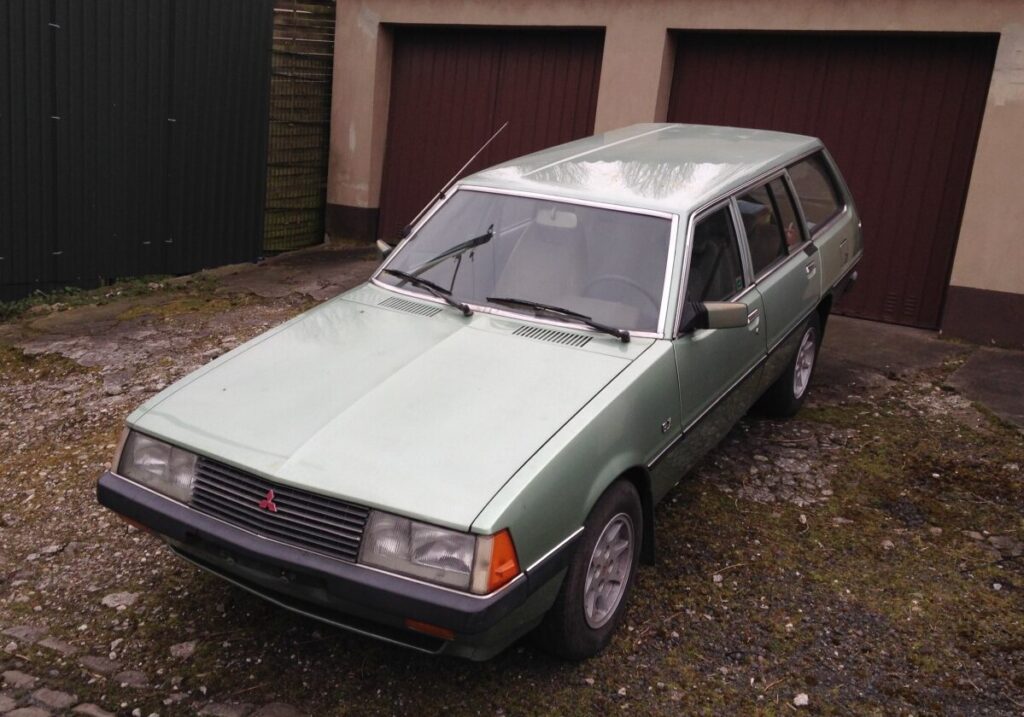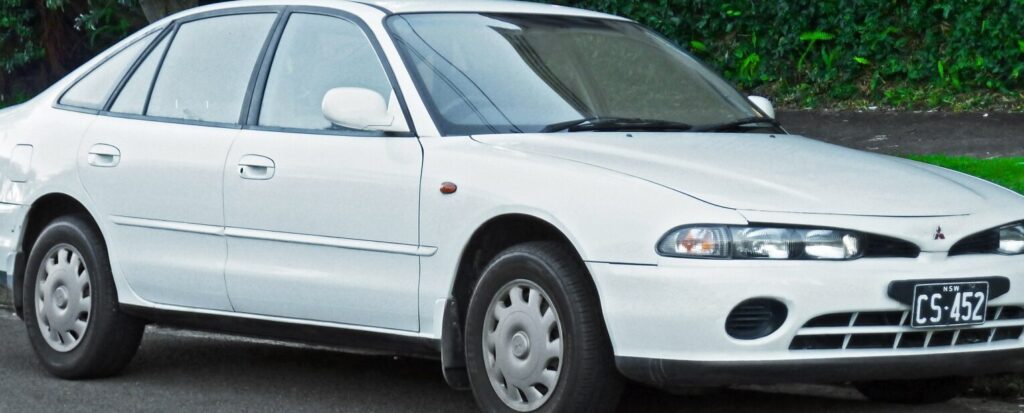
The Mitsubishi Galant VII, produced between 1992 and 2000, represented a significant evolution in Mitsubishi’s mid-size offering. Available in both sedan and hatchback body styles, the seventh generation Galant (chassis code E55A) aimed to blend practicality, comfort, and a degree of sporting appeal. The 2.0 GLSI hatchback variant, powered by a 137 horsepower engine, occupied a middle ground within the Galant VII lineup, offering a balance between performance and affordability. It was positioned above the base models and below the more powerful VR-4 trim, targeting buyers seeking a well-equipped and reasonably efficient family vehicle.
Powertrain & Engine Architecture
The 2.0 GLSI hatchback was equipped with Mitsubishi’s 4G63 inline-four cylinder engine, displacing 1997cc (121.86 cubic inches). This engine, while sharing a basic architecture with other 4G63 variants, was specifically tuned for a balance of fuel economy and usable power. It featured multi-port fuel injection, a naturally aspirated intake, and an overhead camshaft (OHC) valvetrain with four valves per cylinder. The compression ratio was set at 10:1. Bore and stroke dimensions were 85mm x 88mm respectively. The engine produced 137 hp at 6000 rpm and 176 Nm (129.81 lb-ft) of torque at 4750 rpm. Power per liter was a respectable 68.6 hp/l.
The GLSI model utilized a five-speed manual transmission as standard. This transmission was chosen for its durability and relatively direct feel, contributing to a more engaging driving experience compared to the optional automatic. The gearbox featured typical front-wheel-drive layout with a transverse engine mounting. The final drive ratio was optimized for both acceleration and highway cruising.
Engine Codes and Variations
While the core 4G63 engine architecture remained consistent, slight variations existed depending on the market. The engine code for this specific variant is often referenced as 4G63, but regional specifications may include minor differences in fuel injection mapping or emissions control equipment. It’s important to note that the 4G63 engine family is renowned for its robustness and tunability, making it a popular choice for aftermarket modifications, though the GLSI variant was typically left in its factory configuration.
Driving Characteristics
The 2.0 GLSI hatchback offered a competent, if not particularly thrilling, driving experience. Acceleration from 0-60 mph was achieved in approximately 9.3 seconds, and 0-100 km/h in 9.8 seconds, with a top speed of 205 km/h (127.38 mph). The engine delivered adequate power for everyday driving, with a usable torque curve that provided reasonable responsiveness in most situations. The five-speed manual transmission allowed drivers to maintain control over the engine’s powerband, maximizing efficiency and performance. Compared to the higher-output VR-4 models, the 2.0 GLSI felt noticeably less powerful, but it also offered better fuel economy and a more forgiving driving experience. The weight-to-power ratio of 9.7 kg/hp and weight-to-torque ratio of 7.6 kg/Nm reflected a reasonable balance for a family hatchback of this era.
Handling was generally secure, thanks to the front-wheel-drive layout and well-tuned suspension. However, it lacked the precision and agility of rear-wheel-drive competitors. The steering, utilizing a hydraulic rack and pinion system, provided adequate feedback and assistance.
Equipment & Trim Levels
The 2.0 GLSI trim level represented a step up in terms of features and comfort compared to the base Galant VII models. Standard equipment typically included power windows, power door locks, air conditioning, and a basic audio system. Interior upholstery was typically cloth, with a relatively simple dashboard layout. The GLSI also featured upgraded exterior trim, including body-colored bumpers and door handles. Optional extras available for the GLSI included an upgraded audio system, alloy wheels, and a sunroof. The hatchback body style offered increased cargo versatility compared to the sedan, with a trunk space ranging from 450 to 660 liters (15.89 to 23.31 cubic feet) depending on the rear seats’ configuration.
Chassis & Braking
The Galant VII hatchback utilized a front-wheel-drive chassis with a double wishbone suspension setup at the front and a spring strut arrangement at the rear. This suspension configuration aimed to provide a comfortable ride while maintaining reasonable handling characteristics. The front brakes were ventilated discs, offering superior stopping power compared to the rear disc brakes. An Anti-lock Braking System (ABS) was included as standard equipment, enhancing safety and control during emergency braking situations. The vehicle rode on 195/65 R14 tires, providing a balance between ride comfort and grip. Kerb weight was 1331 kg (2934.35 lbs), with a maximum weight capacity of 1800 kg (3968.32 lbs) and a maximum load of 469 kg (1033.97 lbs).
Market Reception & Comparison
The Mitsubishi Galant VII 2.0 GLSI hatchback was generally well-received by automotive critics as a practical and reliable family vehicle. It offered a good level of equipment for its price point and provided a comfortable ride. However, it was often criticized for its somewhat bland styling and lack of sporting character compared to some of its competitors. Fuel economy was rated at 8.3 l/100 km (28.3 US mpg, 34 UK mpg, 12 km/l), which was competitive for its class. Compared to the VR-4 variant, the 2.0 GLSI offered significantly better fuel economy and lower maintenance costs, making it a more sensible choice for budget-conscious buyers. Against rivals like the Honda Accord and Toyota Camry, the Galant VII offered a unique blend of features and styling, but often lacked the brand recognition and resale value of its Japanese competitors.
Technical Specifications
| Brand | Mitsubishi |
| Model | Galant |
| Generation | Galant VII Hatchback |
| Type (Engine) | 2.0 GLSI (E55A) (137 Hp) |
| Start of production | 1992 |
| End of production | 2000 |
| Powertrain Architecture | Internal Combustion engine |
| Body type | Hatchback |
| Seats | 5 |
| Doors | 5 |
| Fuel consumption (combined) | 8.3 l/100 km |
| Fuel Type | Petrol (Gasoline) |
| Acceleration 0 – 100 km/h | 9.8 sec |
| Acceleration 0 – 62 mph | 9.8 sec |
| Acceleration 0 – 60 mph | 9.3 sec |
| Maximum speed | 205 km/h (127.38 mph) |
| Weight-to-power ratio | 9.7 kg/Hp |
| Weight-to-torque ratio | 7.6 kg/Nm |
| Power | 137 Hp @ 6000 rpm |
| Torque | 176 Nm @ 4750 rpm (129.81 lb.-ft. @ 4750 rpm) |
| Engine layout | Front, Transverse |
| Engine displacement | 1997 cm3 (121.86 cu. in.) |
| Number of cylinders | 4 |
| Engine configuration | Inline |
| Cylinder Bore | 85 mm (3.35 in.) |
| Piston Stroke | 88 mm (3.46 in.) |
| Compression ratio | 10:1 |
| Number of valves per cylinder | 4 |
| Fuel injection system | Multi-port manifold injection |
| Engine aspiration | Naturally aspirated engine |
| Valvetrain | OHC |
| Kerb Weight | 1331 kg (2934.35 lbs.) |
| Max. weight | 1800 kg (3968.32 lbs.) |
| Max load | 469 kg (1033.97 lbs.) |
| Trunk (boot) space – minimum | 450 l (15.89 cu. ft.) |
| Trunk (boot) space – maximum | 660 l (23.31 cu. ft.) |
| Fuel tank capacity | 64 l (16.91 US gal | 14.08 UK gal) |
| Length | 4620 mm (181.89 in.) |
| Width | 1730 mm (68.11 in.) |
| Height | 1395 mm (54.92 in.) |
| Wheelbase | 2635 mm (103.74 in.) |
| Front track | 1510 mm (59.45 in.) |
| Rear (Back) track | 1505 mm (59.25 in.) |
| Drivetrain Architecture | Front wheel drive |
| Number of gears and type of gearbox | 5 gears, manual transmission |
| Front suspension | Double wishbone |
| Rear suspension | Spring Strut |
| Front brakes | Ventilated discs |
| Rear brakes | Disc |
| Assisting systems | ABS (Anti-lock braking system) |
| Steering type | Steering rack and pinion |
| Power steering | Hydraulic Steering |
| Tires size | 195/65 R14 |
Legacy
The Mitsubishi Galant VII 2.0 GLSI hatchback, while not a particularly rare or collectible vehicle, remains a reasonably popular choice among enthusiasts and budget-minded buyers. The 4G63 engine is known for its durability and relatively simple maintenance requirements. However, like any vehicle of this age, it is susceptible to wear and tear, and regular maintenance is essential to ensure its continued reliability. Rust can be a concern, particularly in regions with harsh winters. Today, well-maintained examples of the 2.0 GLSI hatchback can be found for relatively low prices, making them an affordable and practical option for those seeking a classic Japanese hatchback.