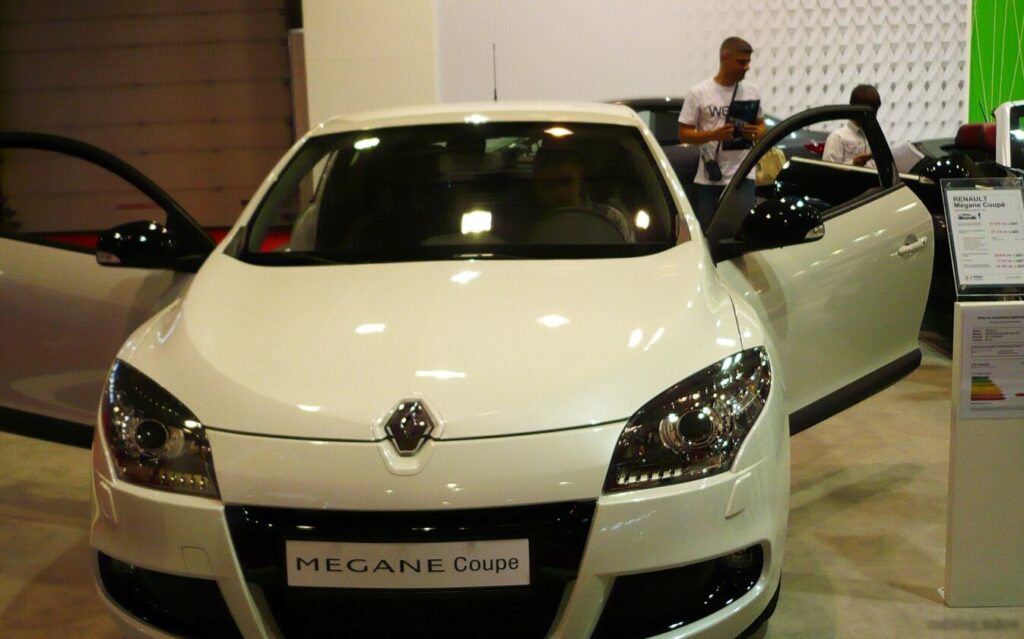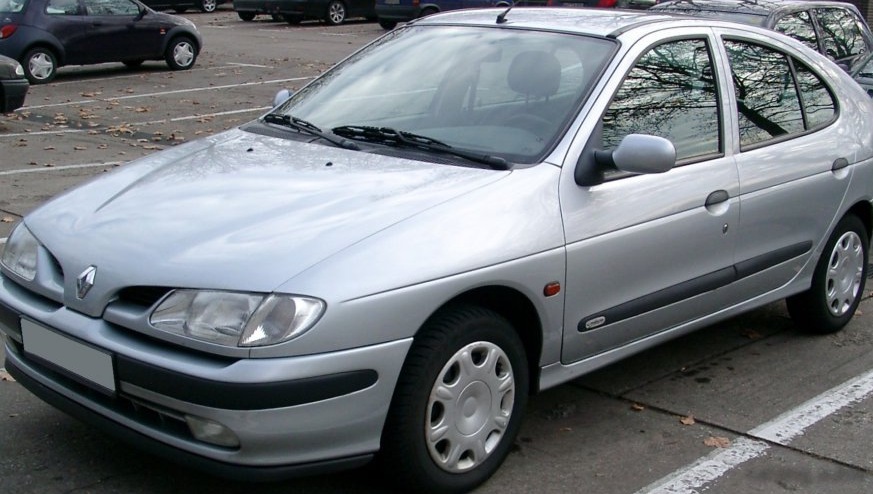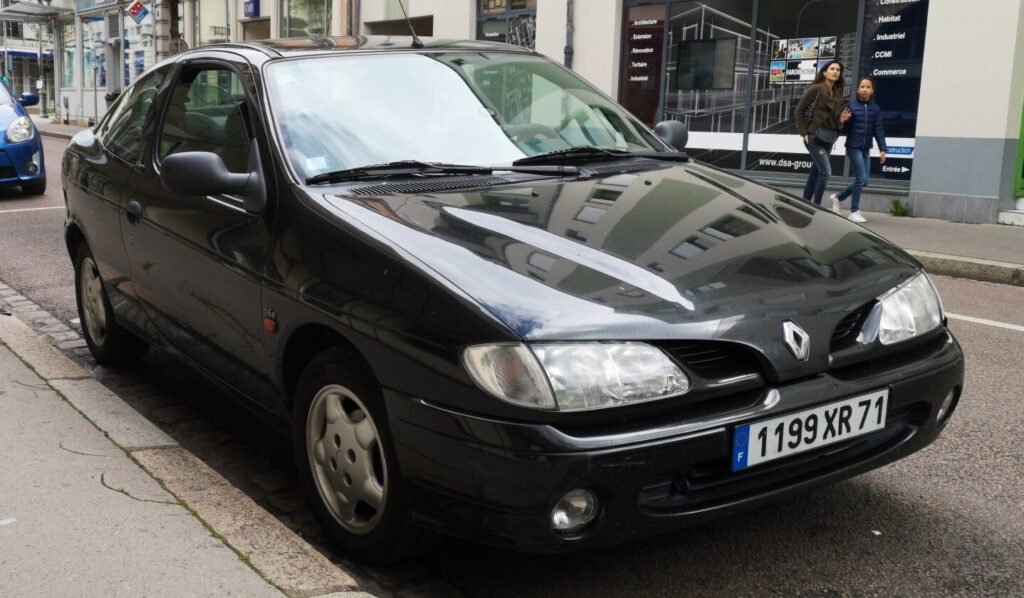
The Renault Megane I Coach (DA) 1.6i 90 hp Automatic, produced between 1996 and 1999, represented an entry-level offering within the first generation Megane hatchback and coupe range. Positioned as a more accessible option, it catered to buyers prioritizing affordability and ease of use over outright performance. This variant was built on the 1HX0/A3 platform, shared with other Renault and Nissan models of the era. The “Coach” designation refers to the two-door coupe body style, differentiating it from the five-door hatchback version.
Powertrain & Engine Architecture
The heart of the Megane 1.6i Automatic is the Renault K7M engine, a 1.6-liter inline four-cylinder gasoline engine. This engine, a mainstay in Renault’s lineup for many years, is known for its relative simplicity and durability. The K7M features a naturally aspirated configuration, meaning it relies solely on atmospheric pressure to draw air into the cylinders, rather than forced induction like a turbocharger. It utilizes a multi-port fuel injection system, delivering fuel directly into the intake ports just before the intake valves. The engine’s valvetrain employs a double overhead camshaft (DOHC) design, with two valves per cylinder (two intake and two exhaust). This configuration contributes to improved breathing and overall engine efficiency.
Power output is rated at 90 horsepower (hp) at 5250 rpm, and peak torque of 131 Newton-meters (96.62 lb-ft) is achieved at 2500 rpm. The engine’s bore and stroke are 79.5 mm (3.13 in) and 80.5 mm (3.17 in) respectively, resulting in a displacement of 1598 cm³ (97.52 cu. in). The compression ratio is 9.5:1. The engine requires approximately 4 liters (4.23 US qt / 3.52 UK qt) of engine oil and 6 liters (6.34 US qt / 5.28 UK qt) of coolant.
Paired with the K7M engine is a four-speed automatic transmission. This transmission, while providing convenient shiftless driving, was not known for its particularly quick or refined operation. It was a common automatic transmission used in various Renault and other European vehicles during the 1990s. The gear ratios were optimized for fuel economy and smooth cruising rather than sporty acceleration.
Engine Code Specifics
The K7M engine code is widely used across several Renault models. While largely similar, minor variations existed depending on the specific year and market. The engine is known for its relatively straightforward design, making it accessible for DIY maintenance, though proper diagnostic tools are recommended for fuel injection and ignition system troubleshooting.
Driving Characteristics
The 1.6i Automatic Megane offered a comfortable, if not particularly exhilarating, driving experience. Acceleration from 0 to 100 km/h (0-62 mph) took approximately 12.5 seconds, and 0 to 60 mph was achieved in around 11.9 seconds. The top speed was limited to 173 km/h (107.5 mph). The automatic transmission contributed to a smoother, less engaging driving experience compared to the five-speed manual version. The four-speed gearbox meant that the engine often operated at higher RPMs during highway cruising, potentially impacting fuel economy and noise levels.
The power delivery was linear but lacked the punch of the higher-output 1.9 dTi or 2.0 16V variants. The automatic transmission’s shift points were programmed for economy, resulting in a noticeable delay when requesting sudden acceleration. The weight-to-power ratio of 11.6 kg/hp indicated that the car was not designed for sporty performance. The car’s handling was adequate for everyday driving, but it lacked the responsiveness and precision of more performance-oriented models.
Equipment & Trim Levels
The 1.6i Automatic trim level typically represented a base or mid-range offering. Standard equipment generally included power steering, central locking, electric front windows, and an AM/FM radio. Interior upholstery was typically cloth, with a relatively simple dashboard layout. Air conditioning was often an optional extra, as were features like alloy wheels, a sunroof, and upgraded audio systems. Safety features were relatively basic for the time, typically including a driver’s airbag and ABS (Anti-lock Braking System) on some models. The interior plastics were durable but lacked the premium feel of higher trim levels.
Chassis & Braking
The Megane I Coach featured an independent coil spring suspension at the front, providing a reasonable level of ride comfort. The rear suspension utilized a semi-independent, coil spring setup. The front brakes were ventilated discs, offering good stopping power, while the rear brakes were drums. This combination was typical for vehicles in this price range during the 1990s. The steering system was a rack and pinion type with hydraulic power assistance, providing relatively light and easy steering. Tire size was typically 175/65 R14, mounted on 14-inch steel wheels, although alloy wheels were available as an option.
Market Reception & Comparison
The 1.6i Automatic Megane was generally well-received as a practical and affordable family car. Critics acknowledged its comfortable ride and reasonable fuel economy, but often noted its lack of performance compared to other engines in the range. Compared to the 1.9 dTi diesel, the 1.6i offered less torque but a smoother, quieter driving experience. The 2.0 16V petrol engine provided significantly more power but came at a higher price point. Fuel consumption was rated at 11.4 l/100 km (20.6 US mpg / 24.8 UK mpg) in urban conditions, 6.3 l/100 km (37.3 US mpg / 44.8 UK mpg) extra-urban, and 8.3 l/100 km (28.3 US mpg / 34 UK mpg) combined, with CO2 emissions of 206 g/km. The automatic transmission, while convenient, negatively impacted fuel economy compared to the manual version.
Technical Specifications
| Brand | Renault |
| Model | Megane |
| Generation | Megane I Coach (DA) |
| Type (Engine) | 1.6i (90 Hp) Automatic |
| Start of production | 1996 |
| End of production | 1999 |
| Engine Displacement | 1598 cm³ (97.52 cu. in.) |
| Number of Cylinders | 4, Inline |
| Power | 90 Hp @ 5250 rpm |
| Torque | 131 Nm @ 2500 rpm (96.62 lb.-ft. @ 2500 rpm) |
| Fuel Type | Petrol (Gasoline) |
| Transmission | 4-speed Automatic |
| Drive Wheels | Front Wheel Drive |
| Acceleration 0-100 km/h | 12.5 sec |
| Acceleration 0-62 mph | 12.5 sec |
| Maximum Speed | 173 km/h (107.5 mph) |
| Kerb Weight | 1045 kg (2303.83 lbs.) |
| Fuel Consumption (Urban) | 11.4 l/100 km (20.6 US mpg / 24.8 UK mpg) |
| Fuel Consumption (Extra Urban) | 6.3 l/100 km (37.3 US mpg / 44.8 UK mpg) |
| Fuel Consumption (Combined) | 8.3 l/100 km (28.3 US mpg / 34 UK mpg) |
| Fuel Tank Capacity | 60 l (15.85 US gal / 13.2 UK gal) |
| Trunk (Boot) Space | 288 l (10.17 cu. ft.) |
Legacy
The Renault Megane I 1.6i Automatic, while not a performance icon, proved to be a reliable and affordable option for many drivers. The K7M engine, when properly maintained, is known for its longevity. Today, these vehicles are relatively rare and often found with high mileage. Common issues include wear and tear on the automatic transmission, corrosion (particularly in regions with harsh winters), and age-related deterioration of rubber components. However, the engine’s simplicity makes it relatively easy and inexpensive to repair. In the used car market, these models are typically valued for their low price and practicality, appealing to buyers seeking a basic, economical mode of transportation. Parts availability is generally good, although some specific trim pieces may be difficult to find.