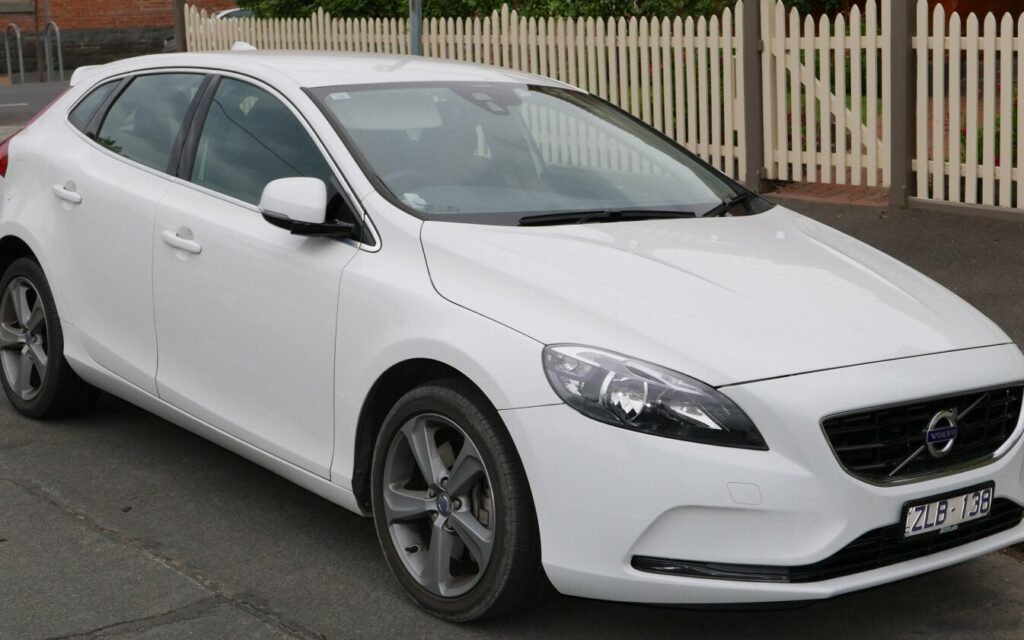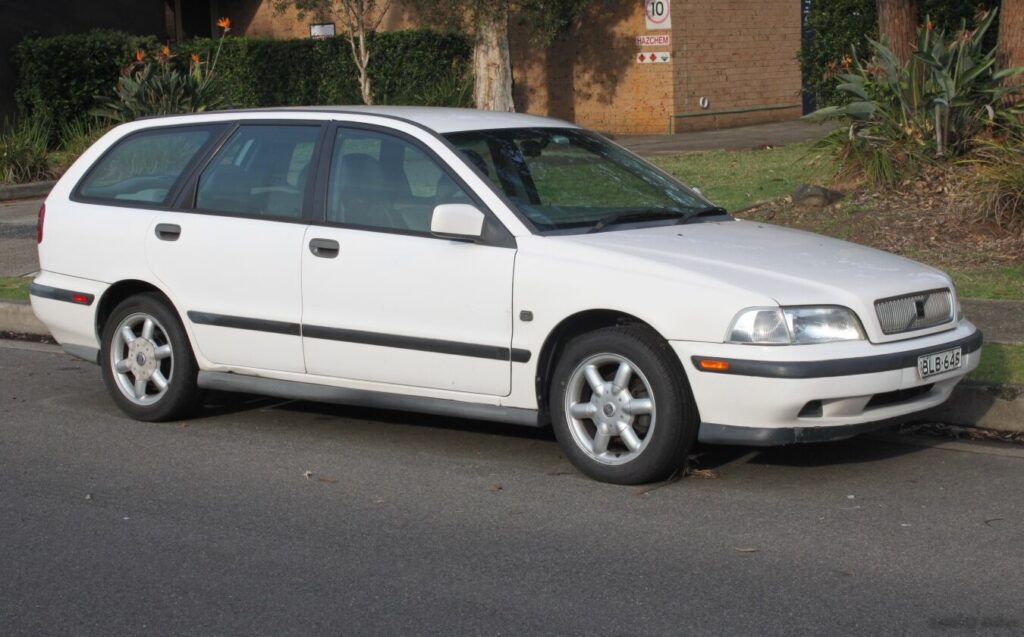
The Volvo V40 Combi, specifically the 1.6 16V variant producing 109 horsepower, was a popular European compact estate car produced between 1999 and 2004. This version represented an entry-level offering within the V40 Combi range, positioned below the more powerful 1.8 and 2.0-liter engine options. Built upon the VW Golf Mk4 platform (internally designated as the 1HX0/A3), the V40 Combi aimed to provide practical family transport with a focus on affordability and fuel efficiency. It was a collaborative effort between Volvo and Volkswagen following Volvo’s acquisition of a stake in the German automaker, resulting in shared components and engineering.
Powertrain & Engine Architecture
The heart of the V40 Combi 1.6 16V is the B4164S2 engine, a 1.6-liter inline four-cylinder gasoline engine. This engine utilizes a multi-port fuel injection system, delivering fuel directly into the intake ports just before the intake valves. The engine features a double overhead camshaft (DOHC) valvetrain, operating four valves per cylinder, contributing to improved breathing and power output. The compression ratio is set at 10.5:1. The engine displaces 1587 cm³ (96.84 cubic inches) and produces 109 hp at 5800 rpm, with a torque output of 145 Nm (106.95 lb-ft) at 4000 rpm.
This particular variant was almost exclusively paired with a 5-speed manual transmission, although a 4-speed automatic transmission was available as an option. The automatic transmission, while offering convenience, did impact performance and fuel economy compared to the manual gearbox. The transmission is a conventional hydraulic automatic, known for its reliability but lacking the efficiency of more modern automatic designs.
Engine Code Specifics
The B4164S2 engine code signifies a specific iteration of Volvo’s 1.6-liter engine family. It’s important to note that while sharing a basic architecture with other B4164 variants, the ‘S2’ designation indicates specific tuning and component differences optimized for this power output and application. Maintenance typically involves standard procedures for a gasoline engine of this era, including regular oil changes (5.4 liters / 5.71 US quarts), coolant flushes (6.3 liters / 6.66 US quarts), and spark plug replacement.
Driving Characteristics
The V40 Combi 1.6 16V offered a comfortable, if not particularly exhilarating, driving experience. Acceleration from 0 to 100 km/h (0-62 mph) took approximately 12 seconds, and 0-60 mph was achieved in around 11.4 seconds. The top speed was rated at 190 km/h (118 mph). The engine’s power delivery was relatively linear, with peak torque arriving at 4000 rpm. This meant that while it wasn’t a fast car, it provided adequate power for everyday driving and highway cruising.
Compared to the higher-output 1.8 and 2.0-liter versions, the 1.6 16V felt noticeably less responsive, particularly when fully loaded or tackling uphill climbs. The automatic transmission, when equipped, further dulled the driving experience, with noticeable delays in gear changes and a tendency to hunt for the right gear. However, the automatic did provide a smoother ride, especially in urban environments. The weight-to-power ratio of 11.7 kg/hp meant that the car felt adequately powered for its intended purpose, but not sporty.
Equipment & Trim Levels
The V40 Combi 1.6 16V typically came with a reasonable level of standard equipment, reflecting its position as an entry-level model. Standard features generally included power steering, central locking, electric front windows, and an AM/FM radio. Interior upholstery was typically cloth, with a relatively simple dashboard layout. Safety features, a hallmark of Volvo, were also standard, including ABS (Anti-lock Braking System) and driver and passenger airbags.
Optional extras included air conditioning, alloy wheels, a sunroof, and upgraded audio systems. Higher trim levels, often denoted by specific package names, added features such as leather upholstery, wood trim, and more advanced audio systems. The V40 Combi offered a practical and spacious interior, with a generous trunk capacity ranging from 470 liters (16.6 cubic feet) with the rear seats up to 1420 liters (50.15 cubic feet) with the rear seats folded down.
Chassis & Braking
The V40 Combi 1.6 16V utilized a front-wheel-drive layout with a MacPherson strut front suspension and a coil spring rear suspension. This suspension setup provided a comfortable ride, although it wasn’t particularly sporty. The front brakes were ventilated discs, while the rear brakes were typically solid discs, although some earlier models may have featured drum brakes depending on the specific market. The steering was a hydraulic power steering system, providing a reasonable level of assistance without feeling overly light or disconnected.
Tire size was typically 195/55 R15, mounted on 15-inch steel or alloy wheels. The chassis was designed to provide a balance between comfort and handling, prioritizing stability and ride quality over outright performance. Stabilizer bars were fitted to both the front and rear axles to reduce body roll during cornering.
Market Reception & Comparison
The Volvo V40 Combi 1.6 16V was generally well-received by critics as a practical and affordable family estate car. It was praised for its spacious interior, comfortable ride, and Volvo’s reputation for safety. However, it was also criticized for its relatively modest performance and somewhat dated interior design. Fuel economy was respectable, with combined fuel consumption figures of around 7.9 l/100 km (29.8 US mpg, 35.8 UK mpg).
Compared to other trims in the V40 Combi lineup, the 1.6 16V offered the most affordable entry point, but at the expense of performance. The 1.8 and 2.0-liter versions provided significantly more power and a more engaging driving experience, but also came with a higher price tag. In terms of reliability, the 1.6 16V engine was generally considered to be reliable, although regular maintenance was essential to prevent issues. Compared to competitors such as the Ford Focus Estate and the Opel/Vauxhall Astra Estate, the V40 Combi offered a more premium feel and a stronger emphasis on safety.
Technical Specifications
| Brand | Volvo |
| Model | V40 |
| Generation | V40 Combi (VW) |
| Type (Engine) | 1.6 16V (109 Hp) |
| Start of production | 1999 |
| End of production | 2004 |
| Powertrain Architecture | Internal Combustion engine |
| Body type | Station wagon (estate) |
| Seats | 5 |
| Doors | 5 |
| Fuel consumption (urban) | 11.1 l/100 km (21.2 US mpg) |
| Fuel consumption (extra urban) | 6 l/100 km (39.2 US mpg) |
| Fuel consumption (combined) | 7.9 l/100 km (29.8 US mpg) |
| CO2 emissions | 185 g/km |
| Fuel Type | Petrol (Gasoline) |
| Acceleration 0 – 100 km/h | 12 sec |
| Acceleration 0 – 62 mph | 12 sec |
| Acceleration 0 – 60 mph | 11.4 sec |
| Maximum speed | 190 km/h (118.06 mph) |
| Weight-to-power ratio | 11.7 kg/Hp |
| Weight-to-torque ratio | 8.8 kg/Nm |
| Power | 109 Hp @ 5800 rpm |
| Torque | 145 Nm @ 4000 rpm (106.95 lb.-ft. @ 4000 rpm) |
| Engine layout | Front, Transverse |
| Engine Model/Code | B4164S2 |
| Engine displacement | 1587 cm3 (96.84 cu. in.) |
| Number of cylinders | 4 |
| Engine configuration | Inline |
| Cylinder Bore | 81 mm (3.19 in.) |
| Piston Stroke | 77 mm (3.03 in.) |
| Compression ratio | 10.5:1 |
| Number of valves per cylinder | 4 |
| Fuel injection system | Multi-port manifold injection |
| Engine aspiration | Naturally aspirated engine |
| Valvetrain | DOHC |
| Engine oil capacity | 5.4 l (5.71 US qt | 4.75 UK qt) |
| Coolant | 6.3 l (6.66 US qt | 5.54 UK qt) |
| Kerb Weight | 1280 kg (2821.92 lbs.) |
| Max. weight | 1770 kg (3902.18 lbs.) |
| Max load | 490 kg (1080.27 lbs.) |
| Trunk (boot) space – minimum | 470 l (16.6 cu. ft.) |
| Trunk (boot) space – maximum | 1420 l (50.15 cu. ft.) |
| Fuel tank capacity | 60 l (15.85 US gal | 13.2 UK gal) |
| Length | 4516 mm (177.8 in.) |
| Width | 1716 mm (67.56 in.) |
| Height | 1425 mm (56.1 in.) |
| Wheelbase | 2562 mm (100.87 in.) |
| Front track | 1472 mm (57.95 in.) |
| Rear (Back) track | 1474 mm (58.03 in.) |
| Drivetrain Architecture | Front wheel drive |
| Number of gears and type of gearbox | 5 gears, manual transmission |
| Front suspension | Wishbone |
| Rear suspension | Coil spring |
| Front brakes | Ventilated discs |
| Rear brakes | Disc |
| Assisting systems | ABS (Anti-lock braking system) |
| Steering type | Steering rack and pinion |
| Power steering | Hydraulic Steering |
| Tires size | 195/55 R15 |
| Wheel rims size | 15 |
Legacy
The Volvo V40 Combi 1.6 16V, while not the most powerful or technologically advanced version of the V40, remains a popular choice in the used car market due to its affordability, practicality, and Volvo’s reputation for safety. The B4164S2 engine is generally considered to be durable and reliable, provided it has been well-maintained. Common issues include oil leaks and wear on the timing belt, which should be replaced at recommended intervals. Today, these cars represent a relatively inexpensive way to acquire a spacious and comfortable estate car, appealing to buyers seeking a practical and dependable vehicle for everyday use.