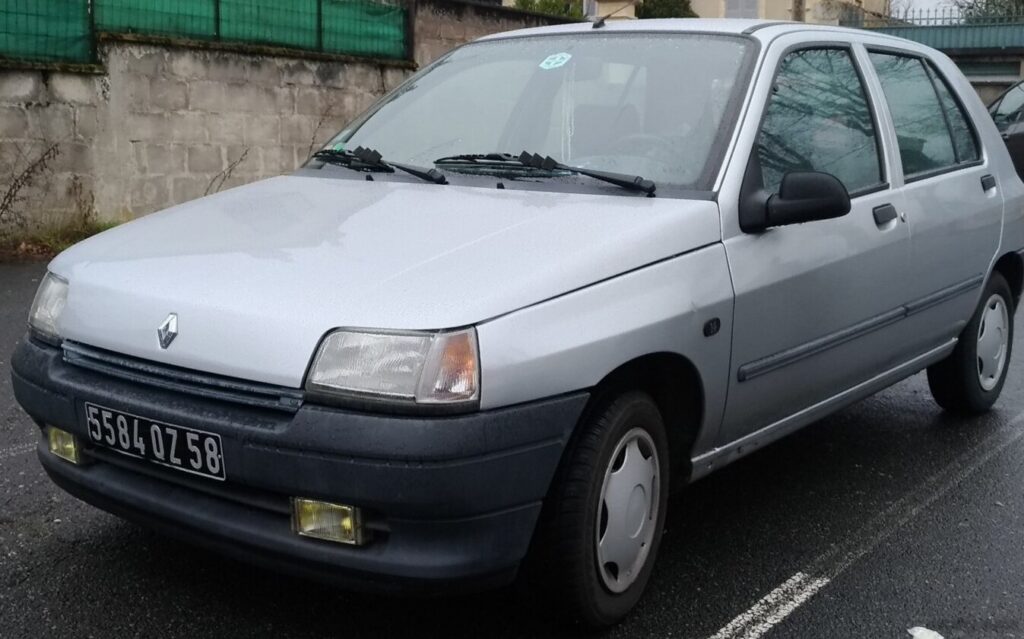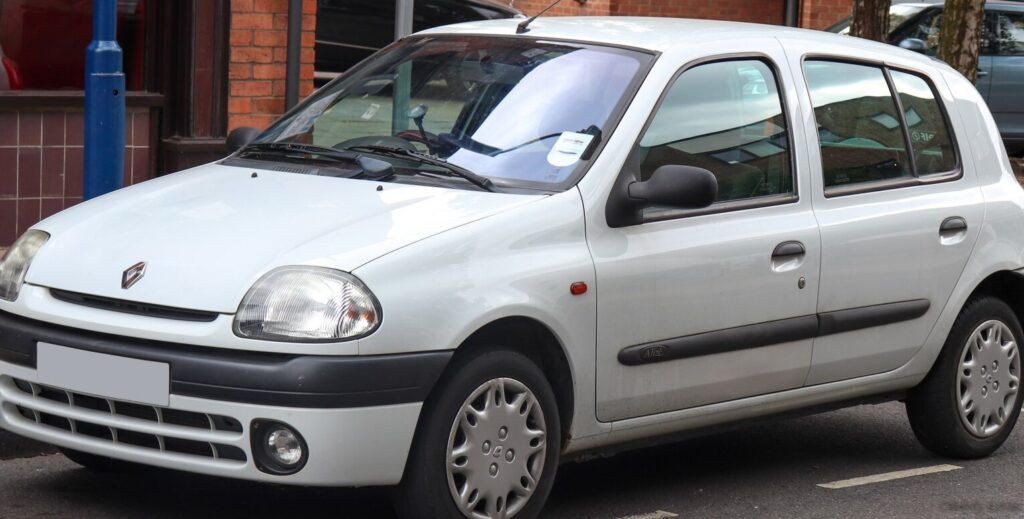
The Renault Clio II (Phase I) 1.9 D, produced from 1998 to 2001, represented an entry-level offering within the second generation Clio range (the 1HB/1HB9 platform). Positioned as a practical and economical hatchback, it catered to buyers prioritizing fuel efficiency and low running costs over outright performance. This variant was a mainstay of the Clio II lineup during its initial production run, offering a diesel-powered alternative to the gasoline engines available. The five-door body style was particularly popular, enhancing the Clio’s practicality for family use.
Powertrain & Engine Architecture
The heart of the Clio II 1.9 D is the Renault F8Q engine, a 1.870-liter (114.11 cubic inches) inline-four cylinder diesel engine. This engine, a common sight in Renault and Peugeot vehicles of the era, utilizes precombustion chamber injection. This system, while less sophisticated than direct injection, proved reliable and contributed to the engine’s fuel economy. The F8Q features an overhead camshaft (OHC) valvetrain with two valves per cylinder. Bore and stroke dimensions are 80mm x 93mm, resulting in a compression ratio of 21.5:1. The engine produces 64 horsepower (Hp) at 4500 rpm and 118 Newton-meters (87.03 lb-ft) of torque at 2250 rpm. Engine oil capacity is 5.2 liters (5.49 US quarts / 4.58 UK quarts) and requires a specification appropriate for diesel engines of the period.
Transmission
The 1.9 D variant was exclusively offered with a five-speed manual transmission. This gearbox was chosen to maximize fuel efficiency and complement the engine’s torque characteristics. The gear ratios were geared towards economy, with a relatively long final drive. There was no automatic transmission option available for this specific engine and trim combination.
Driving Characteristics
The Clio II 1.9 D, with its 64 horsepower, was not designed for rapid acceleration. Acceleration from 0 to 100 km/h (0-62 mph) takes approximately 15.4 seconds, and 0 to 60 mph is achieved in around 14.6 seconds. The top speed is 161 km/h (100.04 mph). However, the engine’s 118 Nm of torque, available from 2250 rpm, provides adequate pulling power for everyday driving. The five-speed manual transmission allows drivers to keep the engine within its optimal operating range. Compared to the gasoline-powered Clio II variants, the 1.9 D offered significantly better fuel economy but lacked the responsiveness and higher top speed. The manual transmission provided a more engaging driving experience than any potential automatic counterpart would have, and allowed for better control in hilly terrain.
Equipment & Trim Levels
The Clio II 1.9 D typically came with a basic level of equipment, reflecting its position as an entry-level model. Standard features generally included power steering, central locking, and a basic audio system. Interior upholstery was typically cloth, and the dashboard featured a functional, if somewhat spartan, design. Optional extras included air conditioning, electric windows, and upgraded audio systems. Higher trim levels, such as the RT, offered additional features like alloy wheels, body-colored bumpers, and more comfortable seating. However, the 1.9 D was rarely seen with a comprehensive list of options, as buyers typically prioritized affordability.
Chassis & Braking
The Clio II 1.9 D utilized a front-wheel-drive layout with independent front suspension using a McPherson strut setup. The rear suspension employed a coil spring and torsion beam arrangement. This suspension setup provided a reasonable balance between ride comfort and handling. The front brakes were discs, while the rear brakes were drums. Anti-lock Braking System (ABS) was available, but not always standard equipment, depending on the specific market and trim level. The steering was a hydraulic power-assisted rack and pinion system, providing light and precise steering feel. Tire size was typically 165/70 R13, mounted on 13-inch steel wheels.
Market Reception & Comparison
The Clio II 1.9 D was generally well-received by critics as a practical and economical city car. Its fuel economy – 7.9 l/100 km (29.8 US mpg) urban and 4.9 l/100 km (48 US mpg) extra-urban – was a major selling point. Compared to the gasoline-powered Clio II variants, the 1.9 D offered significantly lower running costs, making it popular with budget-conscious buyers. However, it was criticized for its lack of performance and relatively noisy engine. Compared to other diesel hatchbacks of the time, such as the Peugeot 206 HDi, the Clio II 1.9 D offered a competitive package in terms of price and fuel economy, but lacked the refinement of more modern diesel engines. Reliability was generally good, although the precombustion chamber injection system required regular maintenance.
Technical Specifications
| Brand | Renault |
| Model | Clio |
| Generation | Clio II (Phase I) 5-door |
| Type (Engine) | 1.9 D (64 Hp) |
| Start of production | 1998 |
| End of production | 2001 |
| Engine Model/Code | F8Q |
| Engine displacement | 1870 cm3 (114.11 cu. in.) |
| Number of cylinders | 4 |
| Power | 64 Hp @ 4500 rpm |
| Torque | 118 Nm @ 2250 rpm (87.03 lb.-ft. @ 2250 rpm) |
| Fuel consumption (urban) | 7.9 l/100 km (29.8 US mpg) |
| Fuel consumption (extra urban) | 4.9 l/100 km (48 US mpg) |
| Acceleration 0-100 km/h | 15.4 sec |
| Maximum speed | 161 km/h (100.04 mph) |
| Kerb Weight | 995 kg (2193.6 lbs.) |
| Max. weight | 1550 kg (3417.17 lbs.) |
| Fuel tank capacity | 50 l (13.21 US gal) |
| Tires size | 165/70 R13 |
| Number of gears | 5 |
| Gearbox type | Manual |
Legacy
The Renault Clio II 1.9 D, while not a performance icon, remains a popular choice among those seeking an affordable and reliable used car. The F8Q engine, despite its age, is known for its durability and relatively simple construction, making it easier and cheaper to maintain than more complex modern engines. Parts availability is generally good, and the car’s straightforward design makes it accessible to amateur mechanics. However, potential buyers should be aware of the age-related issues common to vehicles of this era, such as corrosion and wear and tear on suspension components. Today, the Clio II 1.9 D represents a practical and economical option for those needing a basic, dependable hatchback, and its enduring popularity is a testament to its original design and engineering.