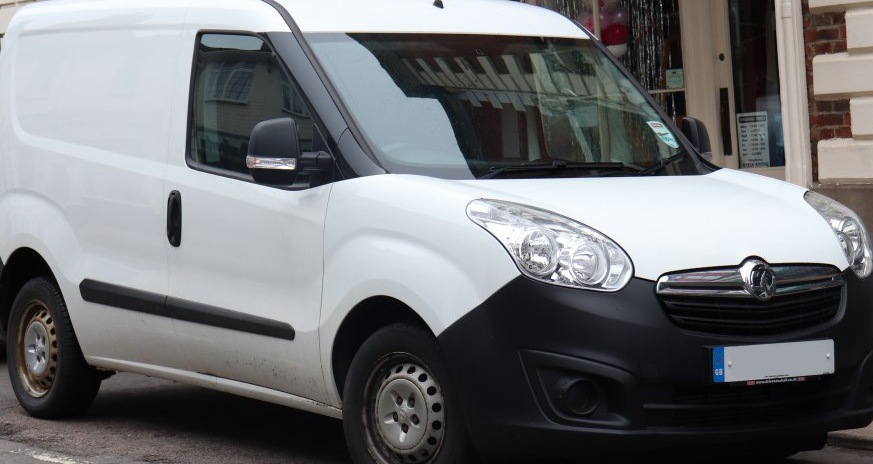
The Vauxhall Combo D 2.0 CDTI (135 hp) Ecotec start/stop is a commercial and passenger vehicle produced from 2011 to 2018 as part of the Combo D generation. Positioned as a mid-range offering within the Combo D lineup, it provided a balance between practicality, fuel efficiency, and performance for both commercial and family users. The Combo D itself was a significant update to the Combo range, sharing its platform and many components with the Fiat Doblo, a result of the partnership between Fiat and Vauxhall/Opel. This variant aimed to appeal to businesses needing a reliable van and families seeking a versatile, affordable vehicle with decent power.
Powertrain & Engine Architecture
At the heart of the Combo D 2.0 CDTI (135 hp) lies the A20FD engine, a 1.956-liter (119.36 cubic inches) inline-four cylinder diesel engine. This engine is part of Vauxhall/Opel’s Ecotec family, known for its focus on efficiency and reduced emissions. The A20FD utilizes a common rail direct fuel injection system, delivering fuel directly into the combustion chamber at extremely high pressure. This system, coupled with a turbocharger and intercooler, allows for increased power output and improved fuel economy. The engine produces 135 horsepower at 3500 rpm and 320 Nm (236.02 lb-ft) of torque at 1500 rpm. The engine features four valves per cylinder, contributing to its breathing efficiency. A key feature of this engine is the Start & Stop system, designed to automatically shut off the engine when the vehicle is stationary (e.g., at traffic lights) to reduce fuel consumption and emissions. The engine also incorporates a diesel particulate filter (DPF) to further minimize harmful emissions, meeting Euro 5 emission standards.
Transmission
The Combo D 2.0 CDTI (135 hp) was primarily equipped with a six-speed manual transmission. This gearbox was chosen for its durability and efficiency, providing a good balance between fuel economy and driver control. The gear ratios were optimized to take advantage of the engine’s torque curve, offering strong acceleration from low speeds and comfortable cruising at highway speeds. While an automatic transmission was offered on some Combo D models, it was less common with the 2.0 CDTI engine, and typically resulted in a slight decrease in fuel economy.
Driving Characteristics
The driving experience in the Combo D 2.0 CDTI (135 hp) is characterized by its practicality and usability. The 135 hp output provides adequate power for everyday driving, even when the vehicle is fully loaded. Acceleration from 0-62 mph (0-100 km/h) takes approximately 11.3 seconds, and the vehicle has a top speed of 111.23 mph (179 km/h). The engine’s strong low-end torque makes it well-suited for carrying heavy loads or navigating hilly terrain. Compared to the lower-powered 1.3 CDTI engine option, the 2.0 CDTI offers a noticeable improvement in performance, particularly when overtaking or merging onto highways. However, it doesn’t possess the outright speed of higher-performance vans. The six-speed manual transmission allows for precise gear selection and contributes to a more engaging driving experience. The suspension is tuned for comfort and practicality, providing a reasonably smooth ride even on uneven surfaces. The steering is light and easy to use, making it maneuverable in urban environments.
Equipment & Trim Levels
The Combo D 2.0 CDTI (135 hp) Ecotec start/stop was available in various trim levels, typically including base ‘Life’ and higher-spec ‘Sportive’ or ‘EcoFlex’ variants. Standard equipment on the base models generally included features such as ABS (Anti-lock Braking System), driver and passenger airbags, electric front windows, central locking, and a basic audio system. Higher trim levels added features like air conditioning, alloy wheels, a more advanced audio system with Bluetooth connectivity, and upgraded interior trim. Interior upholstery was typically cloth, with options for more durable materials in commercial-focused models. The dashboard layout was functional and straightforward, prioritizing usability over aesthetics. Optional extras included parking sensors, a navigation system, and a rear-view camera. The Combo D’s versatility was enhanced by its configurable interior, with options for folding rear seats and a variety of storage compartments.
Chassis & Braking
The Combo D utilizes a front-wheel-drive layout, contributing to its fuel efficiency and ease of handling. The suspension system consists of MacPherson struts at the front and a torsion beam axle at the rear. This setup provides a good balance between ride comfort and load-carrying capacity. Braking duties are handled by disc brakes on the front wheels and drum brakes on the rear wheels in many configurations, although some higher-spec models featured disc brakes all around. The braking system is assisted by ABS, ensuring effective stopping power in various conditions. The vehicle’s track width (1510 mm front, 1530 mm rear) contributes to its stability and handling. A stabilizer bar is fitted to the front suspension to reduce body roll during cornering.
Market Reception & Comparison
The Vauxhall Combo D 2.0 CDTI (135 hp) received generally positive reviews from automotive critics. It was praised for its practicality, fuel efficiency, and competitive pricing. The 2.0 CDTI engine was considered a good compromise between performance and economy, offering a noticeable improvement over the smaller 1.3 CDTI engine. However, some critics noted that the interior was somewhat basic and lacked the refinement of some competitors. Compared to other vans in its class, such as the Ford Transit Connect and the Volkswagen Caddy, the Combo D offered a compelling value proposition, particularly for buyers prioritizing practicality and affordability. Fuel economy figures ranged from 37.3 to 39.9 US mpg (44.8 to 47.9 UK mpg) on the combined cycle, and CO2 emissions were between 156 and 167 g/km. Reliability reports suggest that the A20FD engine is generally durable, although regular maintenance is essential to prevent issues with the DPF and fuel injection system.
Technical Specifications
| Brand | Vauxhall |
| Model | Combo D |
| Type | 2.0 CDTI (135 Hp) Ecotec start/stop |
| Start of production | 2011 |
| End of production | 2018 |
| Engine Displacement | 1956 cm3 (119.36 cu. in.) |
| Engine Layout | Inline-4 |
| Fuel Type | Diesel |
| Power | 135 Hp @ 3500 rpm |
| Torque | 320 Nm @ 1500 rpm (236.02 lb.-ft. @ 1500 rpm) |
| Fuel Consumption (Urban) | 7.8-7.3 l/100 km (30.2 – 32.2 US mpg) |
| Fuel Consumption (Extra Urban) | 5.5-5.1 l/100 km (42.8 – 46.1 US mpg) |
| Fuel Consumption (Combined) | 6.3-5.9 l/100 km (37.3 – 39.9 US mpg) |
| CO2 Emissions | 167-156 g/km |
| Acceleration 0-100 km/h | 11.3 sec |
| Acceleration 0-62 mph | 11.3 sec |
| Maximum Speed | 179 km/h (111.23 mph) |
| Emission Standard | Euro 5 |
| Engine Code | A20FD |
| Number of Cylinders | 4 |
| Fuel Injection System | Diesel Commonrail |
| Engine Oil Capacity | 4.9 l (5.18 US qt | 4.31 UK qt) |
| Coolant Capacity | 6.7 l (7.08 US qt | 5.9 UK qt) |
| Fuel Tank Capacity | 60 l (15.85 US gal | 13.2 UK gal) |
| Length | 4390 mm (172.83 in.) |
| Width | 1831 mm (72.09 in.) |
| Height | 1845-2100 mm (72.64 – 82.68 in.) |
| Wheelbase | 2755 mm (108.46 in.) |
| Trunk (Boot) Space (Max) | 3200 l (113.01 cu. ft.) |
| Number of Gears | 6 |
| Gearbox Type | Manual |
Legacy
The Vauxhall Combo D 2.0 CDTI (135 hp) Ecotec start/stop remains a popular choice in the used car market due to its practicality, affordability, and relatively good fuel economy. The A20FD engine, while requiring regular maintenance (particularly regarding the DPF), is generally considered reliable. Common issues include injector problems and wear on the turbocharger. However, these are often manageable with preventative maintenance. The Combo D’s versatility and spacious interior continue to appeal to both commercial and private buyers. Its position as a mid-range trim level makes it a good value proposition, offering a balance of features and performance without the higher price tag of the top-spec models. The Combo D, and this variant specifically, helped solidify Vauxhall’s reputation for producing practical and dependable commercial vehicles.