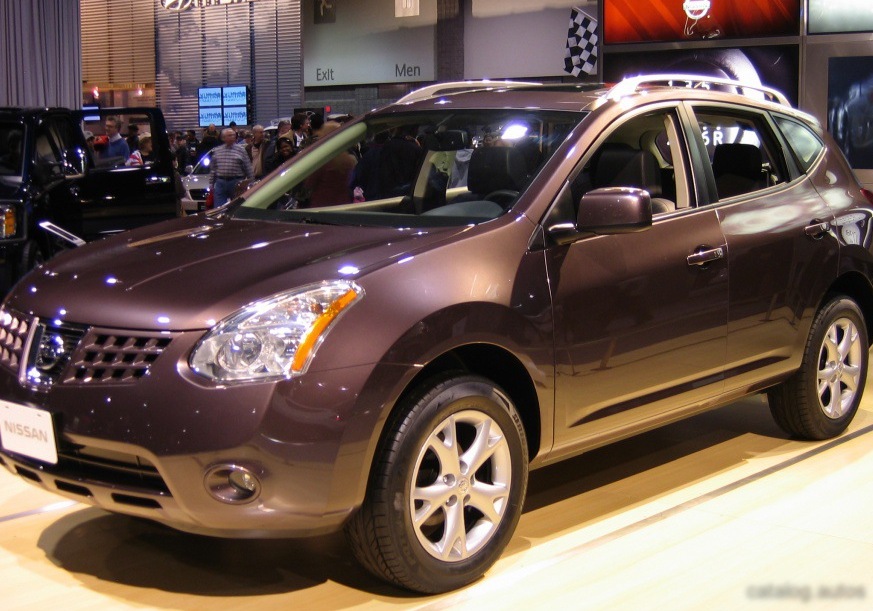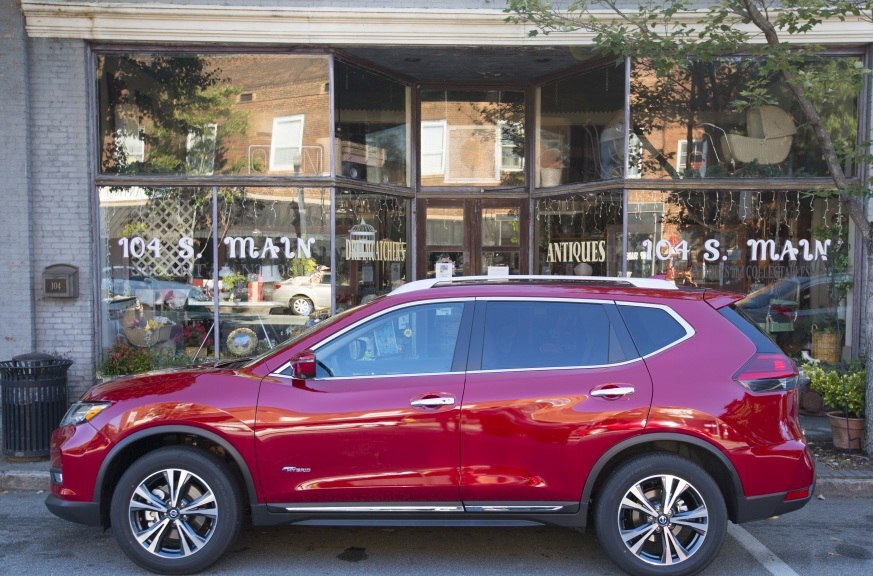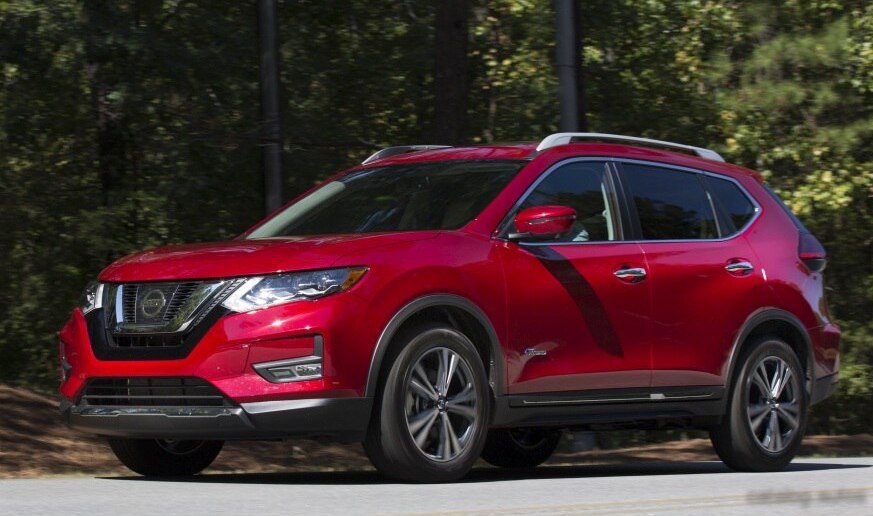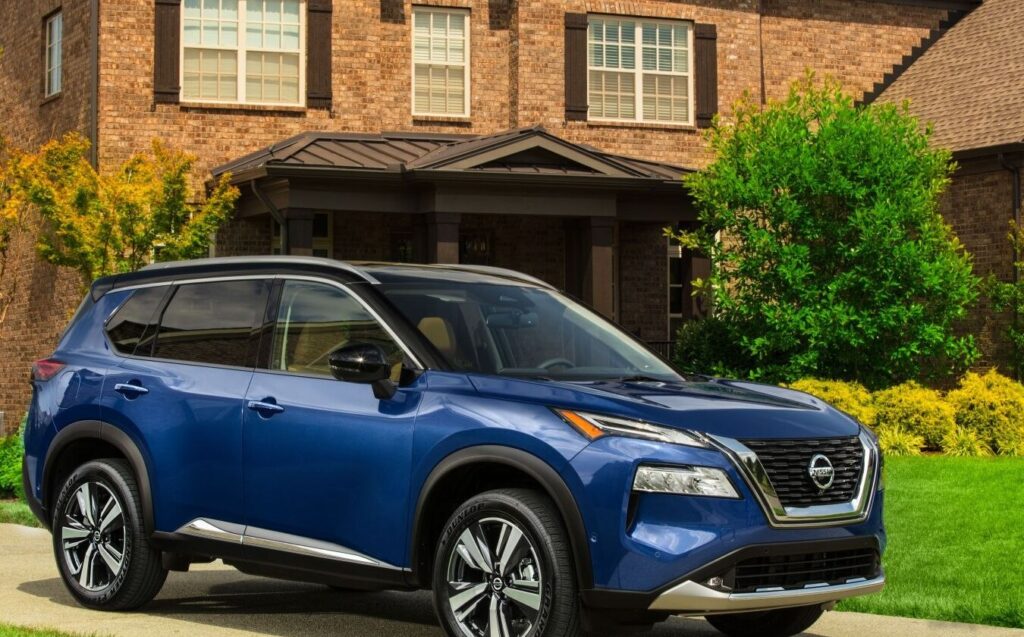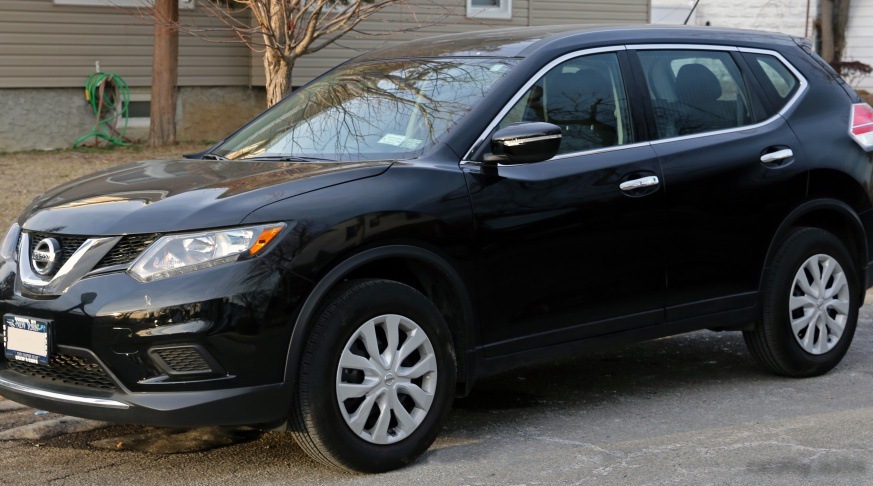
The Nissan Rogue II (T32) 2.5i, equipped with a 170 horsepower engine and a Continuously Variable Transmission (CVT), was a key variant in the second generation of Nissan’s popular compact crossover SUV. Produced from 2013 to 2016, this model represented a significant update over the first-generation Rogue, offering improved styling, interior refinement, and fuel efficiency. The 2.5i trim occupied a central position in the Rogue II lineup, serving as the standard engine and transmission combination for most models sold in North America. It aimed to provide a balance between affordability, practicality, and acceptable performance for the average family vehicle buyer.
Nissan Rogue II (T32) 2.5i: Overview and Positioning
The T32 generation Rogue marked a departure from the shared platform with the Renault Samsung QM5 of the first generation. It transitioned to Nissan’s Common Modular Family (CMF) platform, specifically the CMF-C/D architecture, resulting in a more robust and refined vehicle. The 2.5i variant, with its QR25DE engine and CVT transmission, was the volume seller. It was positioned above the base S trim (which sometimes offered a lower-powered engine in certain markets) and below any potential higher-performance or all-wheel-drive equipped models. This configuration targeted buyers seeking a comfortable, fuel-efficient, and reliable crossover for daily commuting and family transportation.
Powertrain & Engine Architecture
At the heart of the 2.5i Rogue II lies the QR25DE 2.5-liter inline-four cylinder gasoline engine. This engine is a naturally aspirated powerplant, meaning it relies solely on atmospheric pressure to draw air into the cylinders, rather than forced induction like a turbocharger or supercharger. The QR25DE features multi-port fuel injection, delivering fuel directly into the intake ports just before the intake valves. It utilizes a double overhead camshaft (DOHC) valvetrain with four valves per cylinder, optimizing airflow for improved performance and efficiency. The engine’s bore measures 89 mm (3.5 inches) and its stroke is 100 mm (3.94 inches), resulting in a displacement of 2488 cm³ (151.83 cubic inches). The compression ratio is set at 9.6:1.
The engine is paired with a Continuously Variable Transmission (CVT), designated as CVTCS by Nissan. Unlike traditional automatic transmissions with fixed gear ratios, a CVT utilizes a belt and pulley system to provide a virtually infinite number of gear ratios within its operating range. This allows the engine to operate at its most efficient RPM for any given speed and load, contributing to improved fuel economy. The CVTCS unit in the Rogue II is designed for smooth and responsive operation, although some drivers have noted a characteristic “rubber band” feel common to many CVTs, where engine RPMs can rise quickly without a corresponding increase in vehicle speed.
Driving Characteristics
The 170 hp and 237 Nm (174.8 lb-ft) of torque produced by the QR25DE/CVT combination in the Rogue II 2.5i delivers adequate, but not exhilarating, performance. Acceleration from 0 to 60 mph typically takes around 9-10 seconds. The CVT effectively manages the engine’s power delivery, prioritizing fuel efficiency over outright speed. In typical driving scenarios, the engine feels responsive enough for merging onto highways and passing slower vehicles. However, when fully loaded with passengers and cargo, or when climbing steep hills, the engine can feel strained, and the CVT may hold the engine at high RPMs for extended periods. Compared to potential higher-output engine options (which were not widely available in the US market for this generation Rogue), the 2.5i offers a more relaxed and fuel-conscious driving experience. Manual shift modes are often included in the CVT, allowing drivers to select specific “gear” ratios, but these are simulated and do not offer the same direct control as a traditional manual transmission.
Equipment & Trim Levels
The 2.5i trim of the Rogue II typically came standard with a respectable array of features. These generally included air conditioning, power windows and locks, keyless entry, a rearview camera, and a basic audio system with a CD player and auxiliary input. Higher sub-trims, such as the SL, added features like leather upholstery, heated front seats, a sunroof, a navigation system, and a premium audio system. Optional extras available for the 2.5i included all-wheel drive, blind-spot monitoring, and lane departure warning systems. Interior upholstery was typically cloth in the base 2.5i models, with leather options available on higher trims. The dashboard layout was generally straightforward and functional, with a focus on ease of use.
Chassis & Braking
The Rogue II 2.5i utilizes an independent coil spring suspension in the front and an independent multi-link suspension in the rear. This suspension setup provides a comfortable ride quality, absorbing bumps and irregularities in the road surface effectively. The front suspension geometry is tuned for responsive handling, while the rear suspension helps to maintain stability during cornering. The Rogue II 2.5i is equipped with ventilated disc brakes on all four wheels, providing adequate stopping power for everyday driving conditions. Anti-lock Braking System (ABS) is standard, enhancing safety by preventing wheel lockup during hard braking. Stabilizer bars are included both front and rear to reduce body roll during cornering. The curb weight of the 2.5i Rogue II is approximately 1539 kg (3392.91 lbs).
Market Reception & Comparison
The Nissan Rogue II 2.5i was generally well-received by automotive critics as a practical and comfortable crossover. Reviewers praised its spacious interior, comfortable ride, and improved fuel economy compared to the first-generation Rogue. However, some criticisms were leveled at the CVT transmission, with some testers finding it to be less engaging than traditional automatic transmissions. Compared to competitors like the Honda CR-V and Toyota RAV4, the Rogue II 2.5i offered a competitive price point and a generous amount of standard features. Fuel economy was generally comparable to other vehicles in its class, averaging around 25-33 mpg depending on driving conditions. Reliability ratings for the QR25DE engine and CVT transmission were generally average, with some reports of CVT failures over the long term.
Technical Specifications
| Engine Type | 2.5L Inline-4 |
| Engine Code | QR25DE |
| Displacement | 2488 cm³ (151.83 cu. in.) |
| Horsepower | 170 hp @ 6000 rpm |
| Torque | 237 Nm (174.8 lb-ft) @ 4400 rpm |
| Fuel Injection | Multi-port Fuel Injection |
| Valvetrain | DOHC, 4 valves per cylinder |
| Compression Ratio | 9.6:1 |
| Transmission | CVTCS (Continuously Variable Transmission) |
| Drivetrain | Front Wheel Drive |
| Curb Weight | 1539 kg (3392.91 lbs) |
| Fuel Tank Capacity | 60 L (15.85 US gal) |
| Length | 4630 mm (182.28 in) |
| Width | 1839 mm (72.4 in) |
| Height | 1684 mm (66.3 in) |
| Wheelbase | 2705 mm (106.5 in) |
Legacy
The Nissan Rogue II 2.5i remains a relatively common sight on used car lots today. The QR25DE engine is generally considered to be a reliable powerplant, although preventative maintenance, such as regular oil changes, is crucial for long-term durability. The CVT transmission is the primary concern for potential buyers, as it is known to be susceptible to failure in some cases. However, many Rogue II 2.5i models have exceeded 150,000 miles with the original CVT intact. Proper maintenance and a gentle driving style can help to extend the life of the transmission. Overall, the Rogue II 2.5i represents a solid value in the used car market, offering a comfortable and practical transportation solution for those seeking an affordable compact crossover.