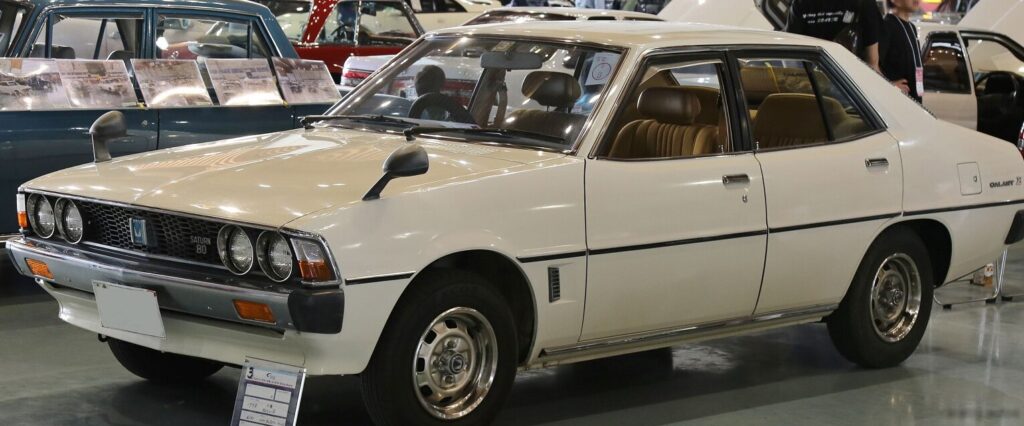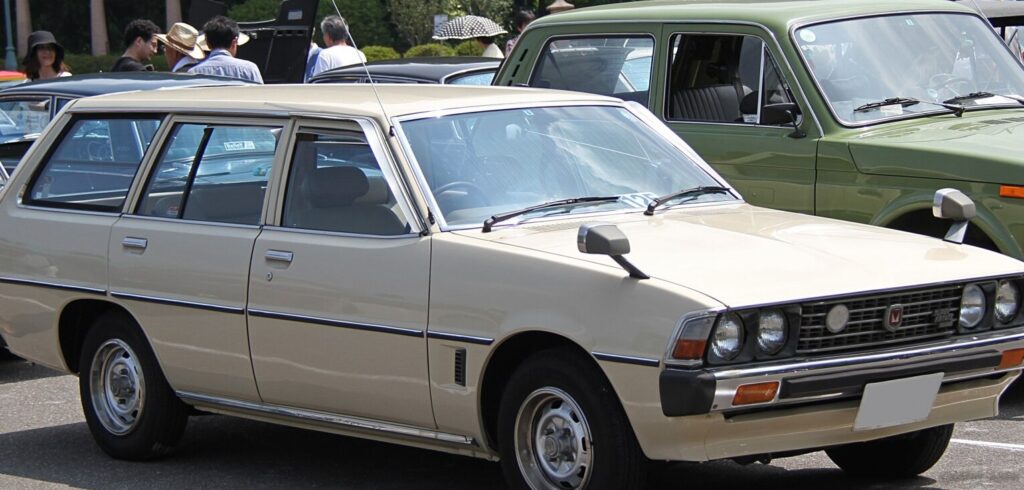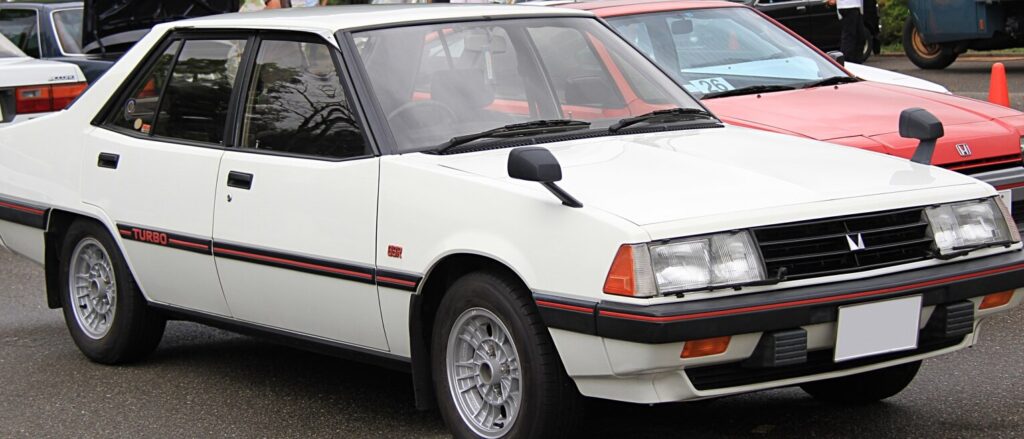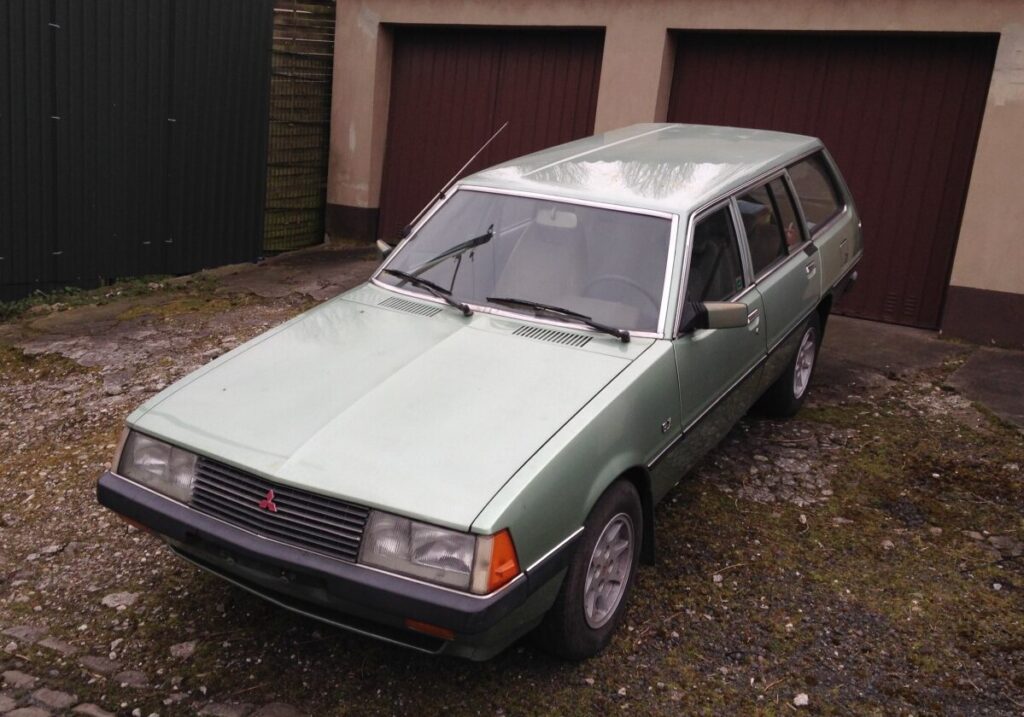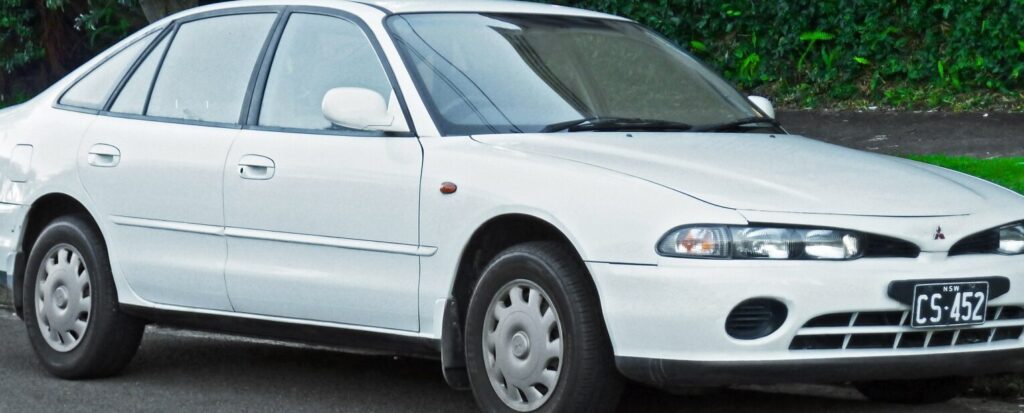
The Mitsubishi Galant VII, produced between 1992 and 1996, represented a significant evolution in Mitsubishi’s mid-size offering. Available in both sedan and hatchback body styles, the seventh-generation Galant (chassis code E57A) aimed to balance practicality, comfort, and a degree of sporting appeal. The 2.0 GLSTD variant, equipped with a 90 horsepower turbocharged diesel engine, occupied a specific niche within the lineup, typically serving as an entry-level or fuel-economy focused option. This model was particularly popular in markets where diesel fuel was readily available and taxation favored smaller displacement engines.
Mitsubishi Galant VII 2.0 GLSTD (E57A): An Overview
The 2.0 GLSTD hatchback, powered by the 4D68T engine, was designed to provide a cost-effective and efficient means of transportation. It catered to buyers who prioritized fuel economy and practicality over outright performance. While not the most powerful Galant variant, it offered a comfortable ride and a reasonable level of equipment for its price point. The GLSTD trim level generally signified a ‘Standard’ level of features, placing it below higher-spec models like the VR or more luxurious trims.
Powertrain & Engine Architecture
At the heart of the 2.0 GLSTD was the Mitsubishi 4D68T 2.0-liter inline-four cylinder diesel engine. This engine utilized a precombustion chamber injection system, a common technology for diesel engines of the era, designed to improve combustion efficiency and reduce noise. The 4D68T produced 90 horsepower at 4500 rpm and 191 Nm (140.87 lb-ft) of torque at 2500 rpm. The engine featured an overhead camshaft (OHC) valvetrain with two valves per cylinder. The turbocharger was a key component, boosting power output and improving responsiveness compared to naturally aspirated diesel engines.
The engine was transversely mounted in the front of the vehicle, driving the front wheels. The 2.0 GLSTD was equipped with a 5-speed manual transmission. This transmission was chosen to maximize fuel efficiency and provide a more engaging driving experience than an automatic option, which wasn’t commonly paired with this engine. The engine oil capacity was 5.1 liters (5.39 US quarts / 4.49 UK quarts).
Driving Characteristics
The 2.0 GLSTD’s driving experience was characterized by its focus on fuel efficiency and torque delivery. While the 90 horsepower output wasn’t substantial, the 191 Nm of torque available from 2500 rpm provided adequate pulling power for everyday driving situations. Acceleration from 0 to 100 km/h (0-62 mph) took approximately 14.1 seconds, and 0 to 60 mph was achieved in around 13.4 seconds. Top speed was rated at 175 km/h (108.74 mph). The turbocharger provided a noticeable boost in power during acceleration, but turbo lag was present, typical of turbocharger systems of that era.
The 5-speed manual transmission allowed drivers to keep the engine in its optimal power band. The gear ratios were tuned for fuel economy, with taller gearing in the upper gears. Compared to the more powerful gasoline-powered Galant variants (like the V6 models), the 2.0 GLSTD offered a more relaxed and economical driving experience, sacrificing outright performance for lower running costs.
Equipment & Trim Levels
The GLSTD trim level represented a base level of equipment. Standard features typically included basic cloth upholstery, a simple dashboard layout, and manual windows and door locks. Air conditioning was often an optional extra. The interior was designed with practicality in mind, offering comfortable seating for five passengers. The hatchback body style provided a versatile cargo area, with a minimum capacity of 450 liters (15.89 cu. ft.) expanding to 660 liters (23.31 cu. ft.) with the rear seats folded down. Optional extras could include power windows, upgraded audio systems, and alloy wheels.
Chassis & Braking
The Galant VII 2.0 GLSTD utilized a front-engine, front-wheel-drive layout. The front suspension consisted of a double wishbone setup, providing a comfortable ride and good handling characteristics. The rear suspension employed a spring strut design. The braking system featured ventilated discs on the front wheels and drum brakes on the rear wheels. Anti-lock braking system (ABS) was included as a standard safety feature. The steering system was a rack and pinion type with hydraulic power steering, providing responsive and precise steering feel. The vehicle rode on 185/70 R14 tires.
Market Reception & Comparison
The Mitsubishi Galant VII 2.0 GLSTD was generally well-received as a practical and economical family car. Critics praised its fuel efficiency and comfortable ride. However, the 90 horsepower output was considered modest, particularly when compared to the more powerful gasoline-powered Galant variants. The diesel engine, while fuel-efficient, was also noted for being somewhat noisy and lacking the refinement of gasoline engines.
Compared to other trims in the Galant lineup, the 2.0 GLSTD offered the best fuel economy. Fuel consumption was rated at 6.8 l/100 km (34.6 US mpg / 41.5 UK mpg / 14.7 km/l). The 2.0 GLSTD was also typically the most affordable Galant variant. The gasoline-powered models, such as the 2.0 or V6, offered significantly more power but at the expense of fuel economy. The 1.8L gasoline engine was also available, offering a compromise between performance and efficiency, but the diesel 2.0 GLSTD remained the most economical option.
Technical Specifications
| Brand | Mitsubishi |
| Model | Galant |
| Generation | Galant VII Hatchback |
| Type | 2.0 GLSTD (E57A) (90 Hp) |
| Start of production | 1992 |
| End of production | 1996 |
| Engine Type | Internal Combustion Engine (Diesel) |
| Body Type | Hatchback |
| Seats | 5 |
| Doors | 5 |
| Fuel Consumption (Combined) | 6.8 l/100 km (34.6 US mpg, 41.5 UK mpg, 14.7 km/l) |
| Fuel Type | Diesel |
| Acceleration 0-100 km/h | 14.1 sec |
| Acceleration 0-62 mph | 14.1 sec |
| Acceleration 0-60 mph | 13.4 sec |
| Maximum Speed | 175 km/h (108.74 mph) |
| Power | 90 Hp @ 4500 rpm |
| Torque | 191 Nm @ 2500 rpm (140.87 lb-ft @ 2500 rpm) |
| Engine Layout | Front, Transverse |
| Engine Model/Code | 4D68T |
| Engine Displacement | 1998 cm3 (121.93 cu. in.) |
| Number of Cylinders | 4 |
| Engine Configuration | Inline |
| Cylinder Bore | 82.7 mm (3.26 in.) |
| Piston Stroke | 93 mm (3.66 in.) |
| Compression Ratio | 22.4:1 |
| Number of Valves per Cylinder | 2 |
| Fuel Injection System | Precombustion Chamber Injection |
| Engine Aspiration | Turbocharger |
| Valvetrain | OHC |
| Engine Oil Capacity | 5.1 l (5.39 US qt | 4.49 UK qt) |
| Kerb Weight | 1346 kg (2967.42 lbs.) |
| Max. Weight | 1805 kg (3979.34 lbs.) |
| Trunk Space (Minimum) | 450 l (15.89 cu. ft.) |
| Trunk Space (Maximum) | 660 l (23.31 cu. ft.) |
| Fuel Tank Capacity | 64 l (16.91 US gal | 14.08 UK gal) |
| Length | 4620 mm (181.89 in.) |
| Width | 1730 mm (68.11 in.) |
| Height | 1395 mm (54.92 in.) |
| Wheelbase | 2635 mm (103.74 in.) |
| Gearbox | 5-speed Manual |
Legacy
The Mitsubishi Galant VII 2.0 GLSTD, while not the most sought-after variant, remains a relatively reliable and affordable classic car. The 4D68T diesel engine, when properly maintained, is known for its durability. However, like all older diesel engines, it can be prone to issues such as injector problems and turbocharger wear. Today, these vehicles are increasingly rare, and well-maintained examples are gaining popularity among enthusiasts who appreciate their simplicity and fuel efficiency. The 2.0 GLSTD represents a practical and economical option from a bygone era of automotive engineering.