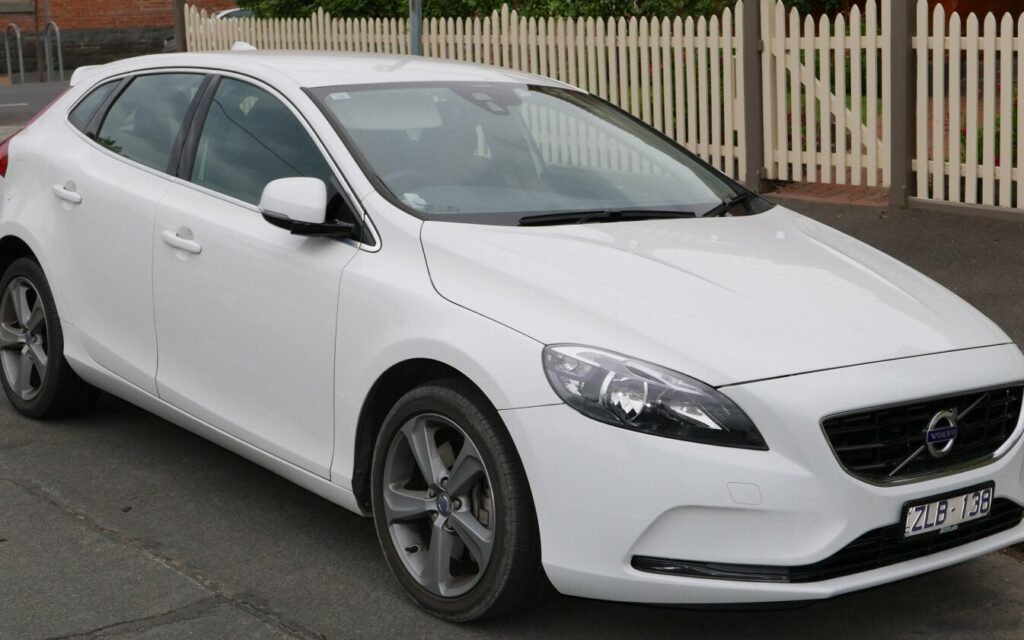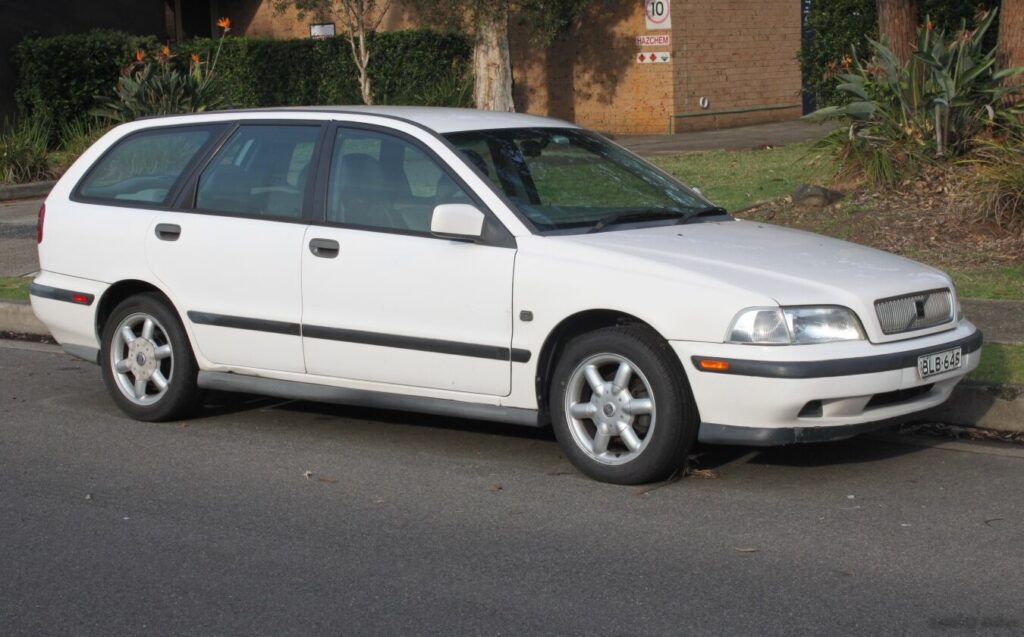
The Volvo V40 Combi, produced between 1995 and 1999, represented a unique collaboration between Volvo and Volkswagen. Built on the VW Golf Mk3 platform (1HX0/A3), the V40 Combi aimed to offer Volvo’s traditional safety and practicality in a more compact and affordable package. The 1.8L 16V engine paired with a four-speed automatic transmission was a significant variant within the V40 Combi range, positioned as a comfortable and accessible entry point into the Volvo estate car market. It offered a balance between fuel economy and usability, appealing to families and drivers prioritizing convenience over outright performance.
The 1.8L 16V Automatic: Positioning and Overview
The 1.8L 16V automatic version of the V40 Combi occupied the middle ground in the lineup. Below it sat the 1.6L engine, which was the base model, and above it were the more powerful 1.9 TDI diesel and the 2.0L petrol variants. The automatic transmission was a key differentiator, targeting buyers who preferred the ease of use and reduced driver fatigue it provided, particularly in urban environments. While not the sportiest option, the 1.8L automatic offered a refined driving experience and was a popular choice for those seeking a practical and reliable family vehicle.
Powertrain & Engine Architecture
The heart of this V40 Combi variant is the Volvo B4184S engine, a 1.8-liter (1731 cc) inline-four cylinder gasoline engine. This engine featured a 16-valve dual overhead camshaft (DOHC) valvetrain, contributing to its relatively good breathing and power output for its displacement. The engine utilized multi-port fuel injection, a common technology of the era, delivering fuel directly into the intake ports. This system, while not as advanced as direct injection, provided efficient combustion and smooth power delivery. The engine produced 115 horsepower at 5500 rpm and 165 Nm (121.7 lb-ft) of torque at 4100 rpm. The compression ratio was set at 10.5:1.
The automatic transmission paired with the B4184S engine was a four-speed unit sourced from Volkswagen. This transmission was known for its reliability and smooth shifting characteristics, although it lacked the efficiency and responsiveness of more modern automatic gearboxes. The gear ratios were tuned for comfortable cruising and adequate acceleration, prioritizing usability over sporty performance. The transmission’s control unit managed shift points based on throttle position and vehicle speed, aiming to provide a seamless driving experience.
Driving Characteristics
The 1.8L automatic V40 Combi delivered a comfortable, if not exhilarating, driving experience. Acceleration from 0 to 62 mph (0-100 km/h) took approximately 10.5 seconds, and the top speed was around 195 km/h (121.17 mph). Compared to the manual transmission versions of the same engine, the automatic suffered a slight performance penalty due to the inherent losses in the torque converter and the transmission itself. However, the convenience of the automatic outweighed the performance difference for many drivers.
The four-speed automatic transmission’s gear ratios were optimized for everyday driving. First gear provided adequate launch power, while the higher gears allowed for relaxed cruising on the highway. The transmission’s shift points were generally well-chosen, although they could sometimes feel slightly hesitant during quick acceleration. The overall driving experience was characterized by smoothness and predictability, making it an ideal vehicle for commuting and long-distance journeys.
Equipment & Trim Levels
The standard equipment level for the 1.8L automatic V40 Combi was reasonably generous for its time. Typically, it included power steering, central locking, electric front windows, and an AM/FM radio. Interior upholstery was usually cloth, with a durable and practical design. Dashboard configuration was typical of Volvos of the era, prioritizing functionality and ergonomics. Optional extras included air conditioning, a sunroof, alloy wheels, and upgraded audio systems. Higher trim levels, often denoted by specific packages, could add features like leather upholstery, heated front seats, and more advanced audio systems.
Chassis & Braking
The V40 Combi’s chassis was based on the VW Golf Mk3 platform, providing a solid and well-engineered foundation. The front suspension utilized a wishbone setup, offering good handling and ride comfort. The rear suspension employed a coil spring arrangement. Braking was handled by ventilated discs on the front wheels and discs on the rear, providing adequate stopping power for the vehicle’s weight and performance. An Anti-lock Braking System (ABS) was standard, enhancing safety by preventing wheel lockup during hard braking. The V40 Combi’s weight-to-power ratio was 11.3 kg/hp, and the weight-to-torque ratio was 7.9 kg/Nm.
Market Reception & Comparison
The 1.8L automatic V40 Combi received generally positive reviews from automotive critics. It was praised for its practicality, safety, and comfortable ride. However, some critics noted that the engine lacked outright power and that the automatic transmission could feel somewhat dated compared to newer designs. Fuel economy was considered reasonable for the time, with combined fuel consumption ranging from 8.1 to 9.0 l/100 km (29 to 26.1 US mpg). Compared to the 1.9 TDI variant, the 1.8L petrol engine offered less fuel efficiency but a smoother and quieter driving experience. The 2.0L petrol version provided more power but at the expense of fuel economy. The 1.8L automatic struck a balance between these extremes, appealing to a broad range of buyers.
Technical Specifications
| Engine Model/Code | B4184S |
| Engine Displacement | 1731 cm3 (105.63 cu. in.) |
| Number of Cylinders | 4 |
| Engine Configuration | Inline |
| Cylinder Bore | 83 mm (3.27 in.) |
| Piston Stroke | 80 mm (3.15 in.) |
| Compression Ratio | 10.5:1 |
| Number of Valves per Cylinder | 4 |
| Fuel Injection System | Multi-port manifold injection |
| Engine Aspiration | Naturally aspirated |
| Engine Oil Capacity | 5.4 l (5.71 US qt | 4.75 UK qt) |
| Coolant Capacity | 6.3 l (6.66 US qt | 5.54 UK qt) |
| Kerb Weight | 1303 kg (2872.62 lbs.) |
| Max. Weight | 1740 kg (3836.04 lbs.) |
| Max Load | 437 kg (963.42 lbs.) |
| Trunk (boot) Space – minimum | 413 l (14.58 cu. ft.) |
| Trunk (boot) Space – maximum | 1421 l (50.18 cu. ft.) |
| Fuel Tank Capacity | 60 l (15.85 US gal | 13.2 UK gal) |
| Length | 4480 mm (176.38 in.) |
| Width | 1720 mm (67.72 in.) |
| Height | 1410 mm (55.51 in.) |
| Wheelbase | 2550 mm (100.39 in.) |
| Tire Size | 195/55 R15 |
| Gearbox | 4 gears, automatic transmission |
| Power | 115 Hp @ 5500 rpm |
| Torque | 165 Nm @ 4100 rpm (121.7 lb.-ft. @ 4100 rpm) |
Legacy
The 1.8L automatic V40 Combi has proven to be a relatively reliable vehicle in the long term. The B4184S engine is known for its durability, and the Volkswagen automatic transmission, while not the most sophisticated, is generally robust. Today, these vehicles are often found as affordable used cars, appealing to buyers seeking a practical and dependable estate car. Maintenance costs are generally reasonable, and parts availability is still good, thanks to the widespread use of VW components. However, potential buyers should be aware of age-related issues such as corrosion and wear and tear on suspension components. Overall, the 1.8L automatic V40 Combi remains a viable option for those seeking a classic Volvo estate car with a comfortable and convenient driving experience.