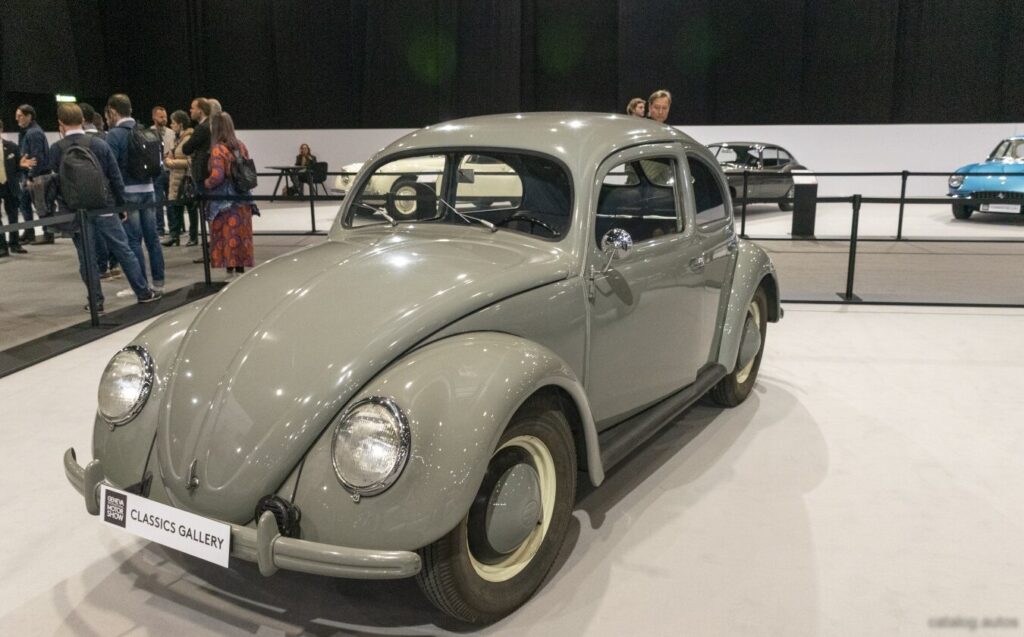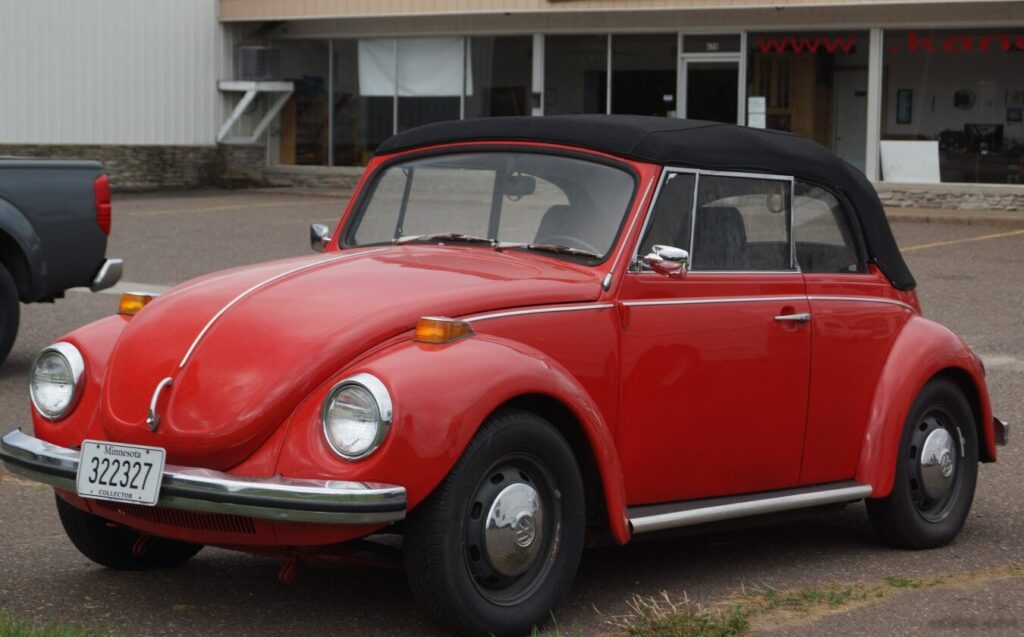
The Volkswagen Käfer Cabriolet (Type 15), produced between 1970 and 1974, represented the final iteration of the iconic Beetle convertible. The 1302 1.3-liter (39 hp) variant occupied the entry-level position within the Käfer Cabriolet range during its production run. This model, characterized by its modest power output and simple mechanicals, was aimed at buyers prioritizing affordability and the open-air driving experience over outright performance. It served as a more accessible alternative to the later, more powerful 1600cc versions. The 1302 designation refers to internal Volkswagen model coding, signifying updates to the original Type 1 Beetle platform.
The 1.3L Käfer Cabriolet: A Detailed Overview
The 1.3L Käfer Cabriolet, while sharing the fundamental design of the Beetle, underwent several modifications to accommodate its convertible nature. These included a reinforced chassis, particularly around the sill areas, to maintain structural rigidity without a fixed roof. The 1302 series also featured hydraulic disc brakes on the front wheels, a significant upgrade over the earlier drum brake systems. The 1.3-liter engine, while representing the base engine option, provided a reliable and economical means of propulsion, making the Cabriolet a popular choice for leisurely driving.
Powertrain & Engine Architecture
The heart of the 1302 1.3L Käfer Cabriolet was the Type 113 air-cooled, naturally aspirated four-cylinder engine. This engine displaced 1285cc (78.5 cubic inches) and produced 39 horsepower at 4,000 rpm. The engine utilized a simple pushrod valvetrain operating two valves per cylinder. Fuel delivery was managed by a single Solex 28 PCI carburetor, a downdraft type known for its relative simplicity and ease of maintenance. The compression ratio was 8.5:1. The engine’s design prioritized durability and ease of repair over high performance. Lubrication was achieved through a pressure-fed system with a wet sump. The engine oil capacity was 2.5 liters (2.64 US quarts / 2.2 UK quarts).
The transmission was a four-speed manual gearbox, fully synchronized. This transmission was a standard component across the Käfer range and was known for its robust construction. Power was delivered to the rear wheels via a driveshaft and a simple differential. The gear ratios were optimized for fuel efficiency and everyday driving, rather than acceleration. The clutch was a single-plate dry clutch.
Driving Characteristics
The 1.3L Käfer Cabriolet offered a distinctly unhurried driving experience. Acceleration was modest, with a 0-60 mph time estimated to be around 18-20 seconds. Top speed was approximately 85 mph, although maintaining this speed for extended periods was not recommended due to the engine’s limited power. The car’s light weight (approximately 1,700 lbs) helped to mitigate the effects of the low horsepower. The suspension, consisting of trailing arms with transverse torsion bars at the front and swing axles with torsion bars at the rear, provided a comfortable, if somewhat bouncy, ride. The steering was non-power-assisted, requiring a reasonable amount of effort, particularly at low speeds. The four-speed manual transmission required deliberate shifting, but was relatively easy to operate. Compared to the later 1600cc versions, the 1.3L felt noticeably slower, particularly when climbing hills or overtaking other vehicles. However, the lower engine speed at cruising speeds contributed to a quieter and more relaxed driving experience.
Equipment & Trim Levels
The 1302 1.3L Käfer Cabriolet was relatively sparsely equipped, reflecting its position as the entry-level model. Standard features included vinyl upholstery, a basic instrument panel with speedometer and fuel gauge, and a two-spoke steering wheel. The convertible top was manually operated and typically made of a durable vinyl material. Chrome trim was used sparingly, primarily on the bumpers and window surrounds. Optional extras included upgraded upholstery materials, a radio, and whitewall tires. Interior color options were limited, typically consisting of shades of black, beige, and red. The dashboard layout was functional and straightforward, prioritizing usability over aesthetics. The seats offered limited bolstering and were designed for comfort rather than sporty support.
Chassis & Braking
The Käfer Cabriolet’s chassis was based on the standard Beetle platform, but with significant reinforcement to compensate for the lack of a fixed roof. The floorpan was strengthened, and additional bracing was added to the sill areas. The front suspension featured independent trailing arms with transverse torsion bars, while the rear suspension utilized a swing axle design with torsion bars. This suspension setup provided a reasonable level of ride comfort, although it was prone to some degree of body roll. The braking system consisted of hydraulic disc brakes on the front wheels and drum brakes on the rear wheels. The brakes were adequate for normal driving conditions, but lacked the stopping power of more modern systems. Steering was accomplished via a worm-and-roller mechanism, providing a direct but somewhat heavy feel.
Market Reception & Comparison
The 1.3L Käfer Cabriolet was generally well-received by the public, particularly in markets where affordability was a key consideration. Critics acknowledged its charming styling and the appeal of open-air motoring, but often noted its modest performance. Compared to the later 1600cc versions, the 1.3L offered lower fuel economy (around 28-32 mpg) and slower acceleration. However, it was also less expensive to purchase and maintain. The 1.3L engine was considered to be exceptionally reliable, and its simple design made it relatively easy to repair. In comparison to contemporary convertibles from other manufacturers, the Käfer Cabriolet offered a unique and distinctive alternative, characterized by its quirky styling and air-cooled engine. The 1.9 TDI and VR6 variants, introduced in later generations of the Beetle, offered significantly higher performance and more modern features, but at a considerably higher price point.
Technical Specifications
| Engine Type | Air-cooled, Naturally Aspirated Four-Cylinder |
| Displacement | 1285cc (78.5 cu in) |
| Horsepower | 39 hp @ 4,000 rpm |
| Torque | 68 lb-ft @ 3,000 rpm (estimated) |
| Fuel System | Solex 28 PCI Carburetor |
| Transmission | Four-Speed Manual |
| Drivetrain | Rear-Wheel Drive |
| Brakes (Front) | Hydraulic Disc |
| Brakes (Rear) | Drum |
| Weight | Approximately 1,700 lbs (771 kg) |
| Top Speed | Approximately 85 mph (137 km/h) |
| 0-60 mph | 18-20 seconds (estimated) |
| Fuel Economy | 28-32 mpg (estimated) |
| Engine Oil Capacity | 2.5 l (2.64 US qt / 2.2 UK qt) |
Legacy
The 1.3L Käfer Cabriolet remains a popular choice among classic car enthusiasts. Its simple mechanicals and readily available parts make it relatively easy to maintain and repair. The engine, while not particularly powerful, is known for its exceptional durability. The car’s iconic styling and the appeal of open-air motoring continue to attract buyers in the used car market. Values for well-maintained examples have been steadily increasing in recent years. While not as sought-after as the later 1600cc versions, the 1.3L Cabriolet offers a more affordable entry point into the world of classic Volkswagen ownership. Its enduring popularity is a testament to the timeless design and engineering of the original Beetle.