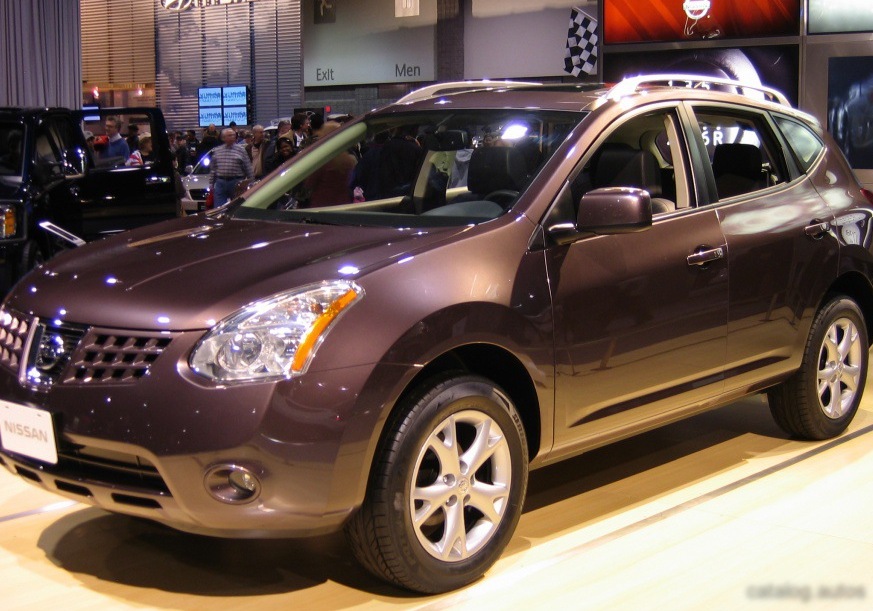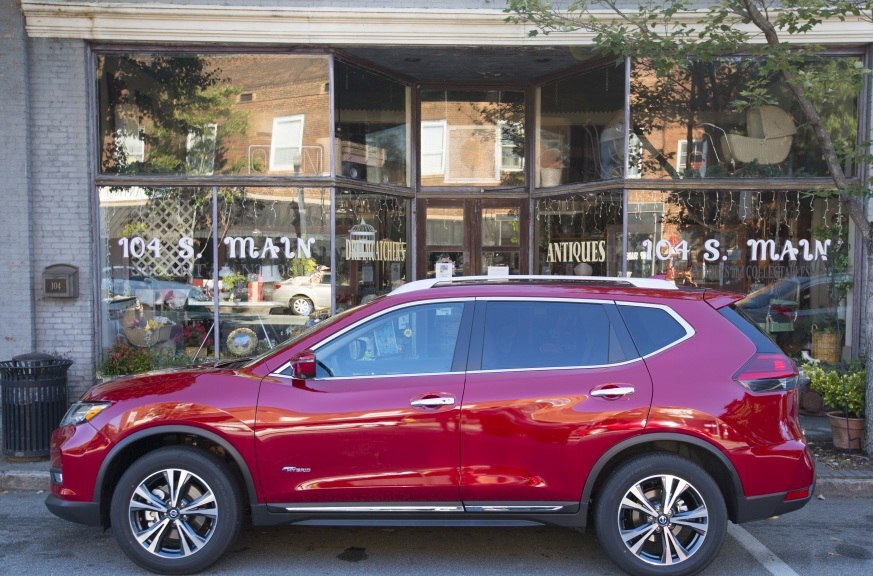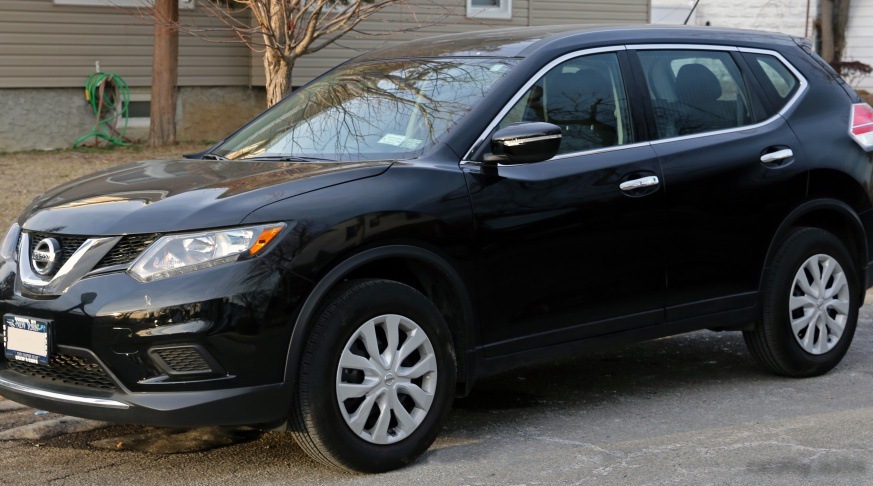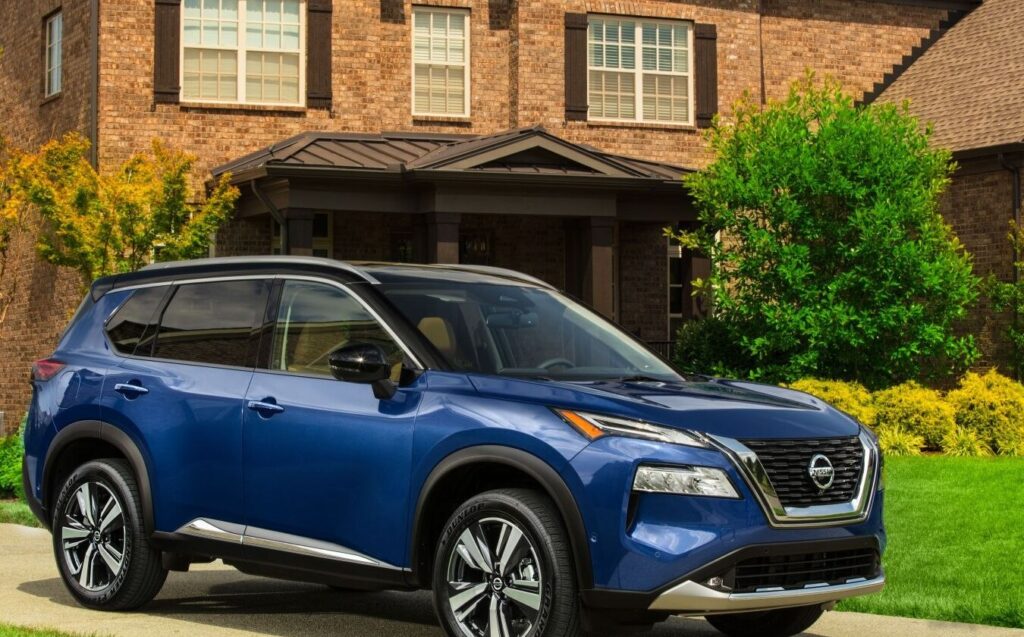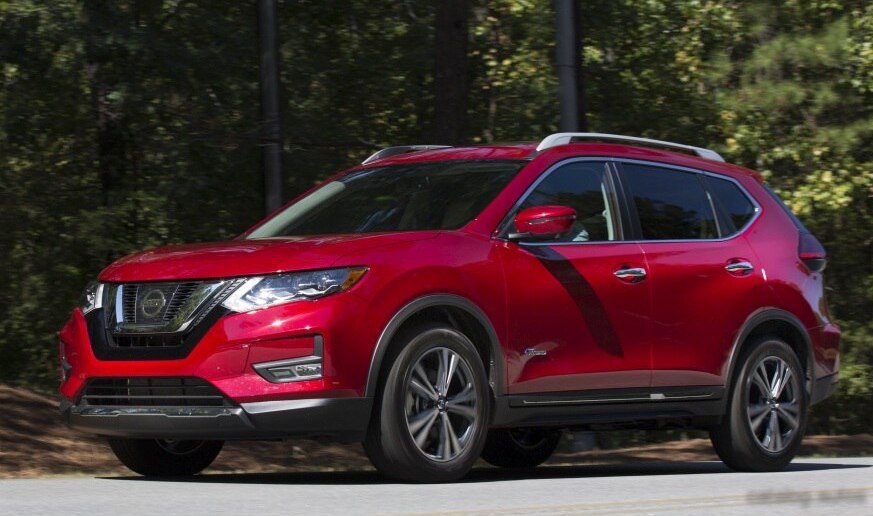
The Nissan Rogue II (T32 series), specifically the facelifted model produced from 2017 to 2019, offered a 2.0-liter (176 horsepower) hybrid powertrain paired with an automatic transmission. This variant represented a mid-range offering within the Rogue II lineup, positioned between the base 2.5-liter gasoline engine and, in some markets, higher-trim levels with more luxurious features. The introduction of the hybrid powertrain aimed to improve fuel efficiency and offer a more environmentally conscious option for buyers in the compact crossover segment. This generation of the Rogue, sold as the X-Trail in many international markets, was built on the CMF-CD platform, shared with other Renault-Nissan-Mitsubishi Alliance vehicles.
Powertrain & Engine Architecture
The core of the 2017-2019 Nissan Rogue 2.0 Hybrid is the MR20DD 2.0-liter inline-four cylinder gasoline engine. This engine utilizes direct fuel injection, a double overhead camshaft (DOHC) valvetrain with four valves per cylinder, and a compression ratio of 11.2:1. It produces 141 horsepower at 6000 rpm and 143.82 lb-ft of torque at 3600 rpm. The engine’s design prioritizes efficiency and smooth operation, rather than outright performance. The specific engine code, MR20DD, denotes a version optimized for hybrid applications.
What sets this Rogue apart is its Full Hybrid Electric Vehicle (FHEV) system. A 40 horsepower electric motor, capable of producing 118.01 lb-ft of torque, works in conjunction with the gasoline engine. The system combines the power of both to deliver a total system output of 176 horsepower. The electric motor is integrated into the transmission housing, allowing for electric-only driving at low speeds and assisting the gasoline engine during acceleration. The hybrid system utilizes a compact lithium-ion battery pack, positioned under the floor, to store energy captured through regenerative braking and from the gasoline engine. The transmission is a continuously variable automatic transmission (CVT), marketed by Nissan as “Xtronic.” This CVT is specifically tuned to work seamlessly with the hybrid powertrain, optimizing fuel efficiency and providing smooth acceleration.
Fuel Injection and Valvetrain Details
The MR20DD engine employs Nissan’s Continuously Variable Valve Timing Control System (CVTCS) on both the intake and exhaust valves. This system optimizes valve timing based on engine speed and load, improving both power and fuel efficiency. The direct fuel injection system precisely meters fuel directly into the combustion chamber, enhancing combustion efficiency and reducing emissions. The engine oil capacity is 3.8 liters (4.02 US quarts / 3.34 UK quarts), and Nissan specifies a particular oil grade for optimal performance and longevity.
Driving Characteristics
The 2017-2019 Nissan Rogue 2.0 Hybrid Automatic delivers a comfortable and fuel-efficient driving experience. The combined output of 176 horsepower provides adequate acceleration for everyday driving situations, though it isn’t particularly sporty. The Xtronic CVT contributes to smooth, seamless acceleration, eliminating the shift shock associated with traditional automatic transmissions. However, some drivers may find the CVT’s operation to be less engaging than a conventional automatic. The electric motor provides instant torque at low speeds, resulting in brisk initial acceleration. The hybrid system automatically switches between electric-only, gasoline-only, and combined operation, optimizing fuel efficiency based on driving conditions.
Compared to the standard 2.5-liter Rogue, the 2.0-liter hybrid offers improved fuel economy but slightly less overall power. The 2.5-liter engine provides a more robust feel and quicker acceleration, while the hybrid prioritizes efficiency. The hybrid’s weight-to-power ratio is 9.4 kg/Hp, and its weight-to-torque ratio is 8.5 kg/Nm, indicating a balance between power and weight. The CVT’s gear ratios are continuously adjusted to maintain optimal engine speed and efficiency, rather than having fixed gear steps like a traditional automatic.
Equipment & Trim Levels
The 2.0 Hybrid variant of the Rogue II was typically offered in well-equipped trim levels, often including features like Nissan’s Safety Shield technology (including automatic emergency braking, lane departure warning, and blind spot monitoring), a 7-inch touchscreen infotainment system with Apple CarPlay and Android Auto compatibility, and a rearview camera. Standard interior features generally included cloth upholstery, automatic climate control, and a steering wheel with audio and cruise control buttons. Optional extras often included leather upholstery, heated front seats, a panoramic sunroof, and a Bose premium audio system. The specific features available varied depending on the package selected.
Chassis & Braking
The Rogue II utilizes an independent coil spring suspension in the front and an independent multi-link suspension in the rear, providing a comfortable ride and good handling characteristics. The suspension is tuned to prioritize comfort over sporty handling. Front and rear brakes are ventilated discs, providing adequate stopping power for the vehicle’s weight. The Rogue II is equipped with an Anti-lock Braking System (ABS) and Electronic Brake-force Distribution (EBD) to enhance braking performance and stability. The steering system is an electric power steering rack and pinion, providing light and responsive steering feel. Tire sizes typically ranged from 225/65 R17 to 225/60 R18, depending on the trim level.
Market Reception & Comparison
The 2017-2019 Nissan Rogue 2.0 Hybrid Automatic was generally well-received by critics for its fuel efficiency and comfortable ride. Fuel economy figures were rated at 34.1 US mpg combined (6.9 l/100 km), making it a competitive option in the hybrid crossover segment. However, some reviewers noted that the hybrid powertrain didn’t offer a significant performance advantage over the standard 2.5-liter engine. Compared to other hybrid crossovers of the time, such as the Toyota RAV4 Hybrid, the Rogue Hybrid offered a more affordable price point but slightly less overall refinement. Reliability reports generally indicated good overall reliability, although some owners reported minor issues with the CVT transmission.
Technical Specifications
| Brand | Nissan |
| Model | Rogue II (T32, facelift 2017) |
| Type | 2.0 (176 Hp) Hybrid Automatic |
| Start of production | 2017 |
| End of production | 2019 |
| Powertrain Architecture | FHEV (Full Hybrid Electric Vehicle) |
| Body type | SUV, Crossover |
| Seats | 5 |
| Doors | 5 |
| Fuel consumption (urban) | 7.1 l/100 km (33.1 US mpg) |
| Fuel consumption (extra urban) | 6.7 l/100 km (35.1 US mpg) |
| Fuel consumption (combined) | 6.9 l/100 km (34.1 US mpg) |
| Fuel Type | Petrol (Gasoline) |
| Weight-to-power ratio | 9.4 kg/Hp |
| Weight-to-torque ratio | 8.5 kg/Nm |
| Electric motor power | 40 Hp |
| Electric motor Torque | 160 Nm (118.01 lb.-ft.) |
| System power | 176 Hp |
| Engine Power | 141 Hp @ 6000 rpm |
| Engine Torque | 195 Nm @ 3600 rpm (143.82 lb.-ft. @ 3600 rpm) |
| Maximum engine speed | 6400 rpm |
| Engine layout | Front, Transverse |
| Engine Model/Code | MR20DD |
| Engine displacement | 1997 cm3 (121.86 cu. in.) |
| Number of cylinders | 4 |
| Engine configuration | Inline |
| Cylinder Bore | 84 mm (3.31 in.) |
| Piston Stroke | 90.1 mm (3.55 in.) |
| Compression ratio | 11.2:1 |
| Number of valves per cylinder | 4 |
| Fuel injection system | Direct injection |
| Valvetrain | DOHC |
| Engine oil capacity | 3.8 l (4.02 US qt | 3.34 UK qt) |
| Coolant capacity | 7.4 l (7.82 US qt | 6.51 UK qt) |
| Kerb Weight | 1662-1686 kg (3664.08 – 3716.99 lbs.) |
| Max. weight | 2141 kg (4720.1 lbs.) |
| Max load | 455-479 kg (1003.1 – 1056.01 lbs.) |
| Trunk (boot) space – minimum | 773 l (27.3 cu. ft.) |
| Trunk (boot) space – maximum | 1739 l (61.41 cu. ft.) |
| Fuel tank capacity | 55 l (14.53 US gal | 12.1 UK gal) |
| Length | 4686 mm (184.49 in.) |
| Width | 1839 mm (72.4 in.) |
| Height | 1722 mm (67.8 in.) |
| Wheelbase | 2705 mm (106.5 in.) |
| Front track | 1595 mm (62.8 in.) |
| Rear track | 1595 mm (62.8 in.) |
| Ride height (ground clearance) | 188 mm (7.4 in.) |
| Drag coefficient (Cd) | 0.319 |
| Minimum turning circle | 11.4 m (37.4 ft.) |
| Drive wheel | Front wheel drive |
| Number of gears and type of gearbox | automatic transmission Xtronic |
Legacy
The Nissan Rogue 2.0 Hybrid Automatic (2017-2019) represents an important step in Nissan’s electrification strategy. While not a plug-in hybrid or fully electric vehicle, it offered a more fuel-efficient alternative to traditional gasoline-powered crossovers. On the used car market, these models generally hold their value well, particularly those with lower mileage and well-maintained service records. The CVT transmission remains a point of concern for some potential buyers, and a thorough inspection of the transmission’s history is recommended. Overall, the Rogue 2.0 Hybrid remains a practical and economical choice for buyers seeking a comfortable and fuel-efficient compact crossover.