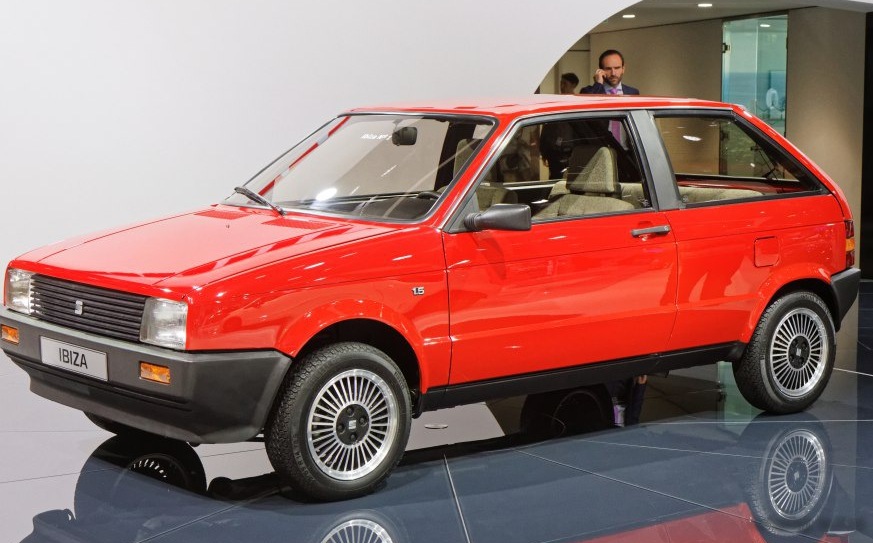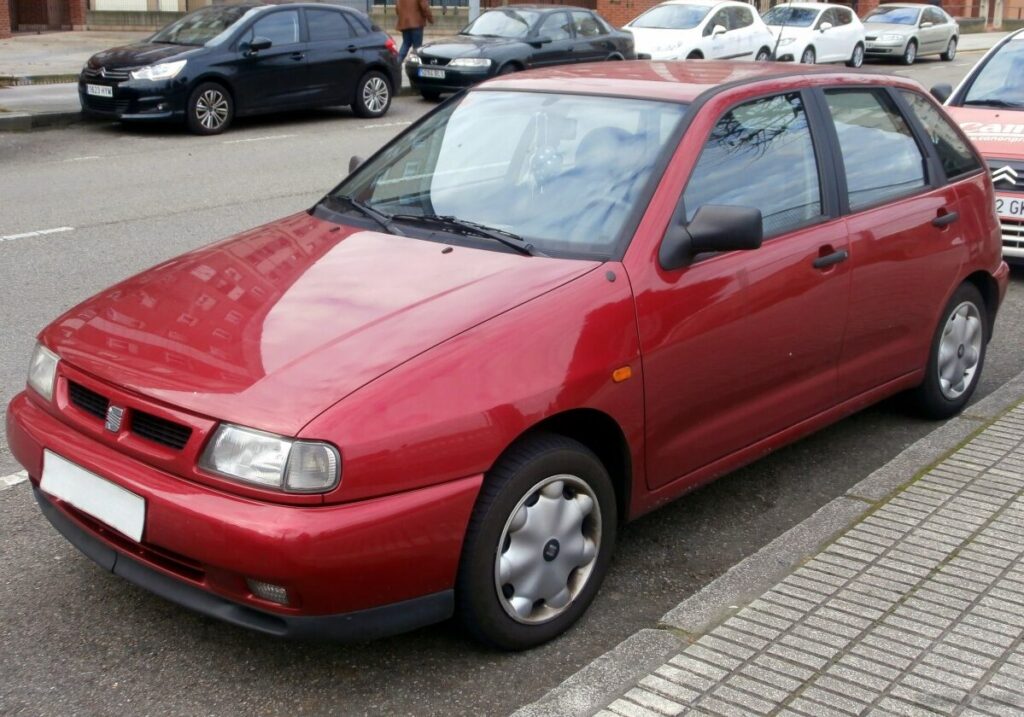
The Seat Ibiza II 1.9 TDI, produced between February 1993 and August 1995, represented a significant step forward for the Spanish automaker, offering a diesel-powered option within the second generation of the popular Ibiza supermini. This variant, equipped with a 1.9-liter turbocharged diesel engine producing 75 horsepower, occupied a middle ground in the Ibiza II lineup, positioned as a fuel-efficient and practical alternative to the gasoline-powered models and the lower-powered naturally aspirated diesel options. It was primarily aimed at drivers prioritizing economy and reliability over outright performance, making it a popular choice for both urban commuters and those covering longer distances.
Seat Ibiza II 1.9 TDI (75 hp): Overview and Positioning
The Ibiza II, launched in 1993, was based on the Volkswagen Polo Mk3 (6N) platform, a collaboration that significantly improved the Ibiza’s build quality and mechanical sophistication compared to its predecessor. The 1.9 TDI model was a key component of this evolution, bringing modern diesel technology to a previously gasoline-dominated segment. The introduction of the TDI engine allowed Seat to appeal to a broader customer base, particularly in European markets where diesel fuel was more affordable and fuel efficiency was highly valued. Within the Ibiza II range, it sat between the base 1.5 gasoline engine and the more powerful 1.6 gasoline and later 2.0 gasoline variants. It offered a compelling blend of affordability, practicality, and reasonable performance.
Powertrain & Engine Architecture
The heart of the Ibiza II 1.9 TDI is the AAZ engine code, a 1.9-liter inline four-cylinder diesel engine. This engine utilized a precombustion chamber injection system, a common technology for diesel engines of the era. This system involved injecting fuel into a small precombustion chamber within the cylinder head, where it was partially ignited before being fully combusted in the main cylinder. This design promoted more complete combustion and reduced engine noise. The engine featured an overhead camshaft (OHC) valvetrain operating two valves per cylinder. Crucially, the 1.9 TDI was turbocharged, significantly boosting power output compared to naturally aspirated diesel engines. The turbocharger provided 150 Nm (110.63 lb-ft) of torque at 2400 rpm, providing a useful amount of pulling power for everyday driving. The engine’s displacement was 1896 cm³ (115.7 cu. in.), with a bore of 79.5 mm (3.13 in.) and a stroke of 95.5 mm (3.76 in.). A compression ratio of 22.5:1 was typical for diesel engines of this period.
Driving Characteristics
The 1.9 TDI Ibiza II offered a distinctly different driving experience compared to its gasoline counterparts. While not particularly quick – acceleration from 0 to 100 km/h (0-62 mph) took approximately 14.4 seconds – it provided strong low-end torque, making it surprisingly capable in everyday driving situations. The five-speed manual transmission was the only gearbox option available with this engine. The gear ratios were optimized for fuel efficiency and usability, rather than outright performance. The turbocharger provided a noticeable boost in power during acceleration, but turbo lag was present, requiring drivers to downshift to maintain momentum when overtaking. Compared to the 1.6 gasoline engine, the 1.9 TDI offered significantly better fuel economy, but at the expense of higher engine noise and vibration. The 1.9 TDI was generally considered more refined than earlier diesel offerings, but it still lacked the smoothness and responsiveness of modern common-rail diesel engines.
Equipment & Trim Levels
The Ibiza II 1.9 TDI was typically offered in relatively basic trim levels, reflecting its positioning as a value-oriented model. Standard equipment generally included power steering, central locking, and a basic stereo system. Interior upholstery was typically cloth, with a functional but unpretentious dashboard layout. Optional extras included electric windows, a sunroof, and upgraded audio systems. Higher trim levels, such as the GLX, offered additional features like alloy wheels, body-colored bumpers, and more luxurious interior trim. The overall interior design prioritized practicality and durability over luxury, with hard-wearing materials used throughout the cabin.
Chassis & Braking
The Ibiza II 1.9 TDI utilized a front-wheel-drive layout. The front suspension consisted of wishbones, providing a comfortable ride and predictable handling. The rear suspension employed a spring strut setup, which was relatively simple and cost-effective. Braking was handled by disc brakes on the front wheels and drum brakes on the rear wheels. Hydraulic power steering was standard, making the car easy to maneuver in urban environments. The curb weight of the 1.9 TDI model was approximately 1005 kg (2215.65 lbs), contributing to its relatively nimble handling. The tires were typically 185/60 R14, providing a good balance of grip and ride comfort.
Market Reception & Comparison
The Seat Ibiza II 1.9 TDI was generally well-received by automotive critics, who praised its fuel efficiency, reliability, and practicality. It was often compared favorably to other small diesel cars of the era, such as the Volkswagen Polo 1.9 TDI and the Peugeot 205 1.9D. The Ibiza II TDI offered a competitive price point, making it an attractive option for budget-conscious buyers. However, some critics noted the engine’s relatively noisy operation and the presence of turbo lag. Fuel economy was a major selling point, with combined fuel consumption figures of around 5.9 l/100 km (39.9 US mpg, 47.9 UK mpg). Reliability was generally good, although the precombustion chamber injection system required regular maintenance to ensure optimal performance. Compared to the gasoline-powered Ibiza II models, the 1.9 TDI offered significantly lower running costs, but at the expense of performance and refinement.
Technical Specifications
| Brand | Seat |
| Model | Ibiza |
| Generation | Ibiza II |
| Type (Engine) | 1.9 TD (75 Hp) |
| Start of production | February, 1993 |
| End of production | August, 1995 |
| Powertrain Architecture | Internal Combustion engine |
| Body type | Hatchback |
| Seats | 5 |
| Doors | 3-5 |
| Fuel consumption (combined) | 5.9 l/100 km (39.9 US mpg, 47.9 UK mpg) |
| Fuel Type | Diesel |
| Acceleration 0 – 100 km/h | 14.4 sec |
| Acceleration 0 – 62 mph | 14.4 sec |
| Acceleration 0 – 60 mph | 13.7 sec |
| Maximum speed | 171 km/h (106.25 mph) |
| Weight-to-power ratio | 13.4 kg/Hp |
| Weight-to-torque ratio | 6.7 kg/Nm |
| Power | 75 Hp @ 4200 rpm |
| Torque | 150 Nm @ 2400 rpm (110.63 lb.-ft. @ 2400 rpm) |
| Engine layout | Front, Transverse |
| Engine Model/Code | AAZ |
| Engine displacement | 1896 cm3 (115.7 cu. in.) |
| Number of cylinders | 4 |
| Engine configuration | Inline |
| Cylinder Bore | 79.5 mm (3.13 in.) |
| Piston Stroke | 95.5 mm (3.76 in.) |
| Compression ratio | 22.5:1 |
| Number of valves per cylinder | 2 |
| Fuel injection system | Precombustion chamber injection |
| Engine aspiration | Turbocharger |
| Valvetrain | OHC |
| Engine oil capacity | 4.5 l (4.76 US qt | 3.96 UK qt) |
| Coolant capacity | 6.6 l (6.97 US qt | 5.81 UK qt) |
| Kerb Weight | 1005 kg (2215.65 lbs.) |
| Max. weight | 1480 kg (3262.84 lbs.) |
| Max load | 475 kg (1047.2 lbs.) |
| Trunk (boot) space – minimum | 270 l (9.53 cu. ft.) |
| Trunk (boot) space – maximum | 580 l (20.48 cu. ft.) |
| Fuel tank capacity | 45 l (11.89 US gal | 9.9 UK gal) |
| Length | 3813 mm (150.12 in.) |
| Width | 1640 mm (64.57 in.) |
| Height | 1408 mm (55.43 in.) |
| Wheelbase | 2440 mm (96.06 in.) |
| Front track | 1429 mm (56.26 in.) |
| Rear track | 1394 mm (54.88 in.) |
| Drivetrain Architecture | Front wheel drive |
| Number of gears | 5 |
| Gearbox type | Manual transmission |
Legacy
The Seat Ibiza II 1.9 TDI remains a relatively common sight on European roads today, testament to its durability and reliability. The AAZ engine, while now aging, is known for its robustness and relatively simple construction, making it easier to maintain than more complex modern diesel engines. However, finding parts for these older vehicles can become increasingly challenging. On the used car market, these Ibizas are typically offered at very affordable prices, making them attractive to budget-conscious buyers and those seeking a classic small car. The 1.9 TDI engine’s reputation for fuel efficiency and longevity continues to make it a desirable option for those prioritizing practicality and low running costs.