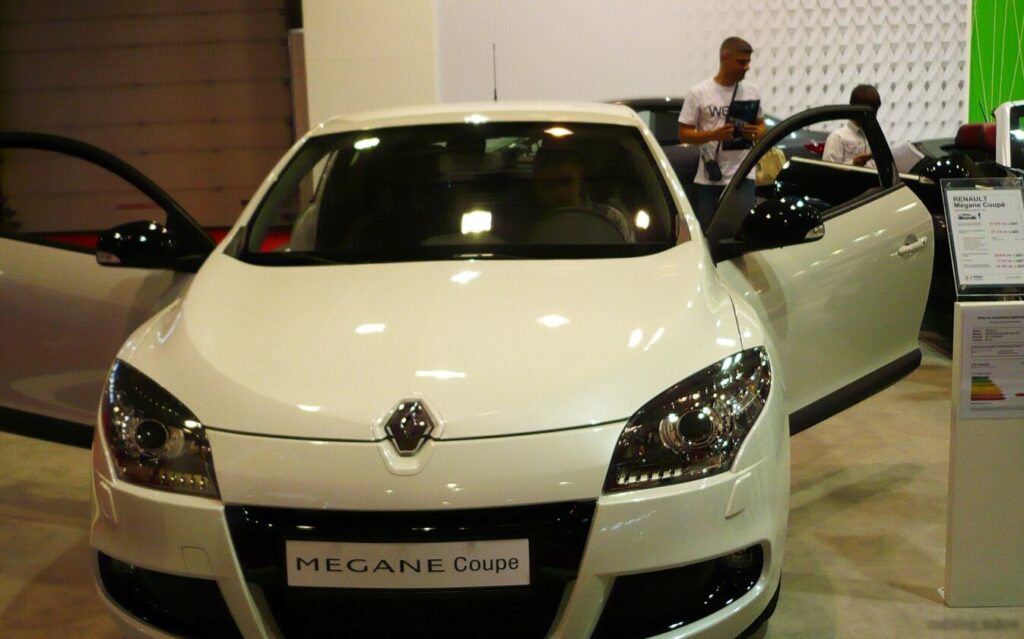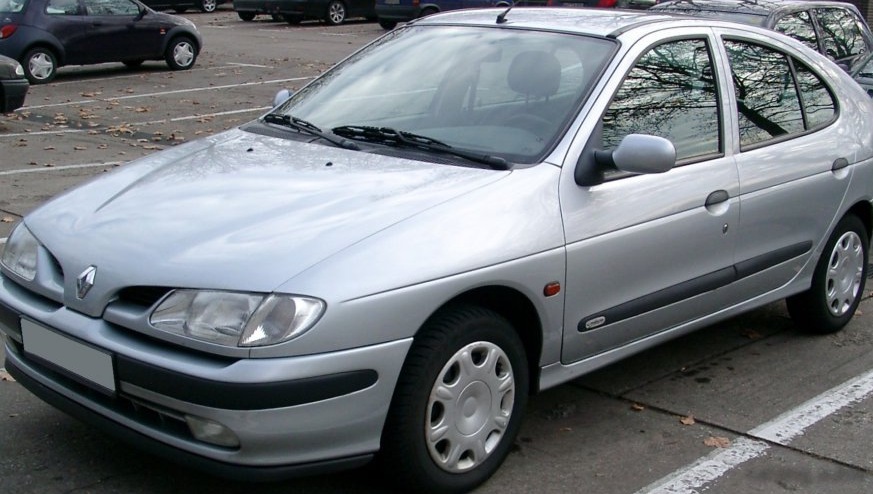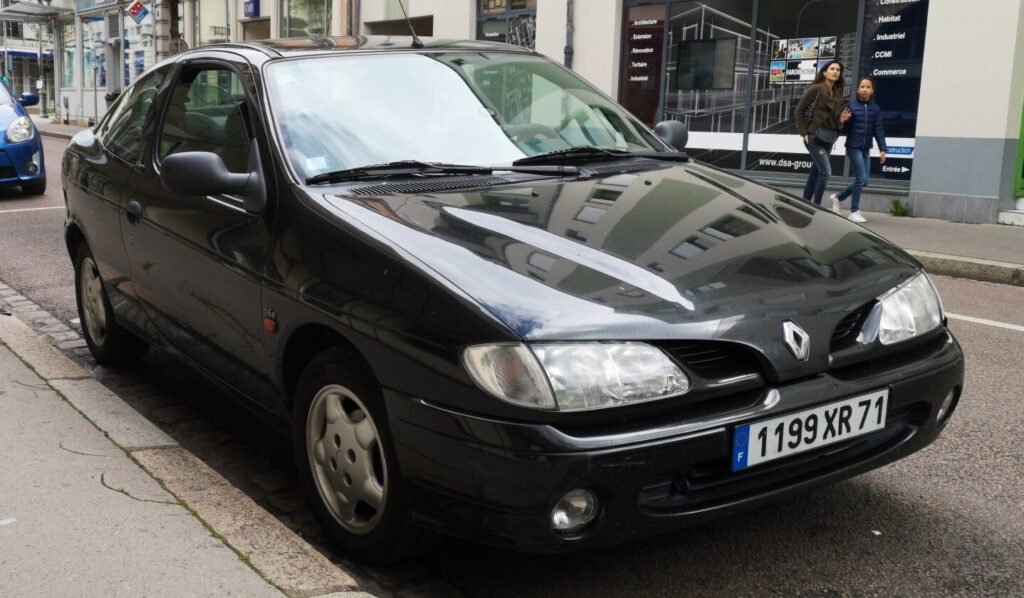
The Renault Megane I Coach (DA) 2.0i 16V, produced between 1996 and 1999, represented a performance-oriented variant within the first generation Megane hatchback and coupe range. Positioned as a mid-to-upper trim level, it offered a significant step up in power and driving experience compared to the base models, while remaining more accessible than the later, more focused Renault Sport models. This 2.0-liter, 16-valve engine option was primarily aimed at drivers seeking a sporty and engaging driving experience in a practical, everyday package. The Megane I (DA) series itself was a crucial model for Renault, representing a move towards more modern design and engineering, built upon the shared platform with the Nissan Almera (N15).
Powertrain & Engine Architecture
The heart of the Megane I Coach 2.0i 16V is the Renault F7R engine, a 1998cc (121.93 cu. in.) inline-four cylinder gasoline engine. This engine, a mainstay of Renault’s performance offerings in the 1990s, is characterized by its robust construction and relatively high specific output. The ‘F7R’ designation indicates a naturally aspirated engine with a cast iron block and aluminum cylinder head. It features a dual overhead camshaft (DOHC) valvetrain operating four valves per cylinder, contributing to its improved breathing and power delivery. Fuel delivery is managed by a multi-port fuel injection system, providing precise fuel metering for optimal combustion.
The engine produced 147 horsepower (hp) at 6000 rpm and 185 Newton-meters (136.45 lb-ft) of torque at 4500 rpm. This output translated to a power-to-liter ratio of 73.6 hp/l. The F7R engine is known for its durability, but requires regular maintenance, particularly regarding timing belt replacement, as failure can lead to significant engine damage. The engine’s transverse mounting within the front-wheel-drive chassis contributes to its compact footprint and efficient packaging.
Transmission
The 2.0i 16V model was primarily offered with a five-speed manual transmission. While an automatic transmission was available as an option, it was less common and generally considered to detract from the sporty character of the car. The manual gearbox featured a conventional shift pattern and was known for its relatively precise and direct feel. The gear ratios were tuned to provide a balance between acceleration and fuel efficiency, with a final drive ratio optimized for both city and highway driving.
Driving Characteristics
The Renault Megane I Coach 2.0i 16V offered a noticeably more engaging driving experience than its lower-powered siblings. Acceleration from 0 to 100 km/h (0-62 mph) took approximately 8.6 seconds, and 0-60 mph was achieved in around 8.2 seconds. Top speed was rated at 215 km/h (133.59 mph). The engine’s torque curve provided good mid-range punch, making it responsive in everyday driving situations. However, the engine did require higher revs to deliver its peak power, encouraging drivers to explore the upper reaches of the tachometer.
Compared to the base 1.4 and 1.6-liter engines, the 2.0i 16V felt significantly more powerful and capable, particularly when overtaking or tackling winding roads. While not a dedicated sports car, it offered a level of performance that was uncommon in the compact hatchback/coupe segment during the late 1990s. The manual transmission further enhanced the driving experience, providing greater control and driver involvement.
Equipment & Trim Levels
The 2.0i 16V trim typically included features such as power steering, central locking, electric front windows, and an upgraded audio system. Interior upholstery was generally cloth, although leather options were sometimes available. The dashboard layout was functional and straightforward, with clear instrumentation. Optional extras included air conditioning, alloy wheels, and a sunroof. The overall interior ambiance was typical of the era – durable and practical, rather than luxurious. The Coupe body style, as opposed to the hatchback, often came with slightly more refined interior trim details.
Chassis & Braking
The Megane I Coach 2.0i 16V utilized an independent coil spring suspension at the front and a semi-independent suspension with longitudinal arms and transverse torsion shafts at the rear. This suspension setup provided a reasonable balance between ride comfort and handling. The front brakes were ventilated discs, offering good stopping power, while the rear brakes were typically solid discs. Anti-lock Braking System (ABS) was standard equipment, enhancing safety and control during emergency braking situations. The steering was a rack and pinion system with hydraulic power assistance, providing precise and responsive steering feel.
Market Reception & Comparison
The Renault Megane I Coach 2.0i 16V was generally well-received by automotive critics, who praised its performance and handling. It was often compared favorably to rivals such as the Volkswagen Golf GTI and the Peugeot 306 XSi. While the Golf GTI was often considered the benchmark in the segment, the Megane offered a compelling alternative at a slightly lower price point. Fuel economy was reasonable for a performance-oriented car of its era, with combined fuel consumption of around 9.1 l/100 km (25.8 US mpg). Reliability was generally good, although the F7R engine required regular maintenance to prevent potential issues. The 2.0i 16V appealed to drivers who wanted a sporty and engaging car without sacrificing practicality or affordability.
Technical Specifications
| Brand | Renault |
| Model | Megane |
| Generation | Megane I Coach (DA) |
| Type (Engine) | 2.0i 16V (147 Hp) |
| Start of production | 1996 |
| End of production | 1999 |
| Fuel consumption (urban) | 12.4 l/100 km (19 US mpg) |
| Fuel consumption (extra urban) | 7.2 l/100 km (32.7 US mpg) |
| Fuel consumption (combined) | 9.1 l/100 km (25.8 US mpg) |
| CO2 emissions | 214 g/km |
| Fuel Type | Petrol (Gasoline) |
| Acceleration 0-100 km/h | 8.6 sec |
| Acceleration 0-62 mph | 8.6 sec |
| Acceleration 0-60 mph | 8.2 sec |
| Maximum speed | 215 km/h (133.59 mph) |
| Power | 147 Hp @ 6000 rpm |
| Torque | 185 Nm @ 4500 rpm (136.45 lb.-ft. @ 4500 rpm) |
| Engine layout | Front, Transverse |
| Engine Model/Code | F7R |
| Engine displacement | 1998 cm3 (121.93 cu. in.) |
| Number of cylinders | 4 |
| Cylinder Bore | 82.7 mm (3.26 in.) |
| Piston Stroke | 93 mm (3.66 in.) |
| Compression ratio | 9.8:1 |
| Engine oil capacity | 6 l (6.34 US qt | 5.28 UK qt) |
| Coolant capacity | 7 l (7.4 US qt | 6.16 UK qt) |
| Kerb Weight | 1095 kg (2414.06 lbs.) |
| Max. weight | 1575 kg (3472.28 lbs.) |
| Trunk (boot) space (minimum) | 288 l (10.17 cu. ft.) |
| Fuel tank capacity | 60 l (15.85 US gal | 13.2 UK gal) |
| Length | 3931 mm (154.76 in.) |
| Width | 1696 mm (66.77 in.) |
| Height | 1365 mm (53.74 in.) |
| Wheelbase | 2468 mm (97.17 in.) |
| Tires size | 195/50 R16 |
| Number of gears | 5 (manual) |
Legacy
The Renault Megane I Coach 2.0i 16V remains a popular choice among enthusiasts and collectors today. The F7R engine, while requiring maintenance, is known for its durability and potential for modification. Parts availability is generally good, although some components may be becoming increasingly scarce. In the used car market, these models are typically well-maintained and sought after by those looking for a classic 1990s hatchback with a sporty character. The 2.0i 16V variant represents a sweet spot in the Megane I range, offering a compelling blend of performance, practicality, and affordability. It serves as a reminder of Renault’s commitment to building engaging and enjoyable cars.