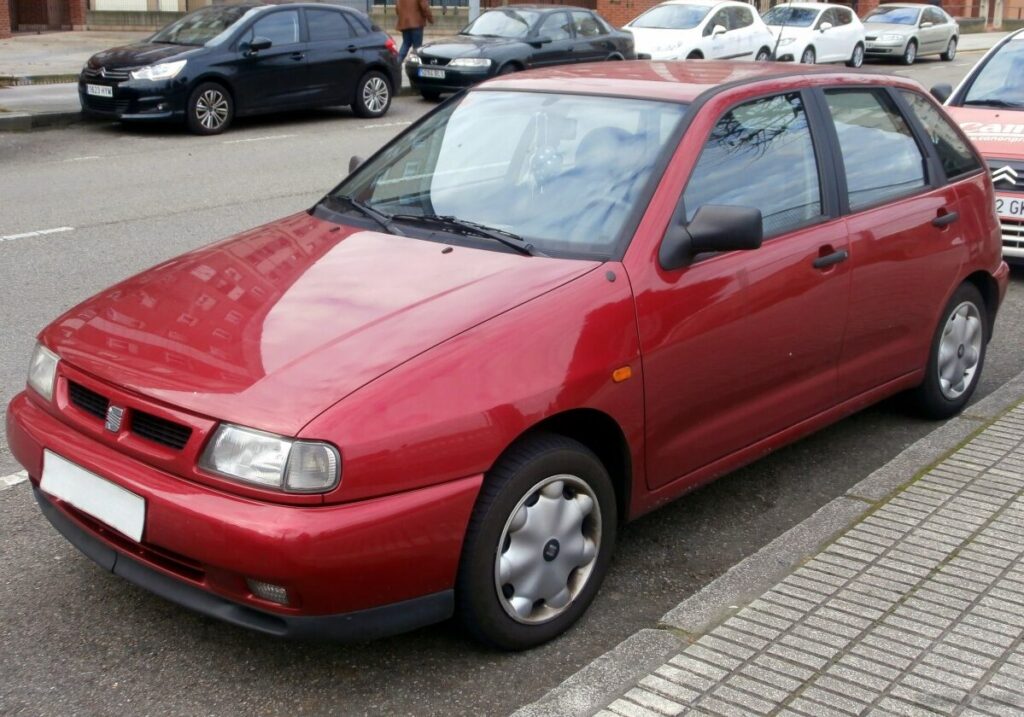
The Seat Ibiza II 1.9 TDI (110 hp) was a performance-oriented variant of the second-generation Seat Ibiza, produced between 1997 and 1999. Positioned as a sporty alternative within the Ibiza II range, it offered a significant step up in performance compared to the lower-powered gasoline engine options. This model was built on the Volkswagen Group’s 1HX0/A3 platform, shared with the Volkswagen Polo, Škoda Fabia, and Audi A3, benefiting from the platform’s inherent strengths in packaging and engineering. The 1.9 TDI represented a move towards diesel power for those seeking both economy and spirited driving, appealing to a demographic that valued practicality without sacrificing performance.
The 1.9 TDI Engine: AFN Code and Direct Injection
The heart of the Ibiza II 1.9 TDI is the Volkswagen Group’s AFN engine code, a 1.896-liter (115.7 cubic inches) inline four-cylinder diesel engine. This engine utilized direct fuel injection, a technology that significantly improved fuel efficiency and power output compared to older indirect injection diesel systems. The direct injection system, employing a high-pressure common rail setup, injected fuel directly into the combustion chamber, allowing for more precise control over the combustion process. This resulted in a power output of 110 horsepower (hp) at 4,150 rpm and a substantial 235 Newton-meters (173.33 lb-ft) of torque at 1,900 rpm. The engine featured an overhead camshaft (OHC) valvetrain with two valves per cylinder. A turbocharger with an intercooler was employed to further boost power and torque, mitigating turbo lag and improving throttle response. The engine’s compression ratio was a high 19.5:1, typical for direct injection diesels, contributing to its efficiency. Engine oil capacity was 4.3 liters (4.54 US quarts / 3.78 UK quarts), and the recommended oil specification was determined by Volkswagen Group standards.
Powertrain and Transmission
The 1.9 TDI engine was transversely mounted in the front of the vehicle, driving the front wheels. The Ibiza II 1.9 TDI was exclusively offered with a five-speed manual transmission. This transmission was chosen to complement the engine’s torque characteristics and provide a more engaging driving experience. The gear ratios were optimized for both acceleration and fuel economy, with a relatively short first gear for quick take-offs and a taller fifth gear for efficient cruising. The absence of an automatic transmission option in this variant reflects the focus on performance and driver involvement.
Driving Characteristics
The Seat Ibiza II 1.9 TDI offered a noticeably different driving experience compared to the gasoline-powered versions. The 1.9 TDI’s high torque output, available from low engine speeds, provided strong acceleration in everyday driving situations. The 0-62 mph (0-100 km/h) acceleration time was approximately 10.2 seconds, and 0-60 mph was calculated at 9.7 seconds, making it one of the quicker cars in its class. While not a sports car, the 1.9 TDI offered a level of performance that was unexpected for a small hatchback. The turbocharger provided a noticeable boost in power, but turbo lag was present, though minimized by the intercooler. Handling was generally good, thanks to the well-tuned suspension and relatively low weight of the vehicle. The manual transmission allowed for precise gear changes, enhancing the driving experience. Compared to the 1.6-liter gasoline engine, the 1.9 TDI offered significantly more torque and better fuel economy, albeit with a slightly more audible engine note.
Equipment & Trim Levels
The Ibiza II 1.9 TDI was typically equipped with a reasonable level of standard equipment, reflecting its position as a mid-range to upper-mid-range trim level. Standard features generally included power steering, central locking, electric front windows, and an anti-lock braking system (ABS). Interior upholstery was typically cloth, with a functional and durable design. The dashboard layout was typical of the Ibiza II, with a straightforward instrument cluster and logically arranged controls. Optional extras included air conditioning, alloy wheels, a sunroof, and upgraded audio systems. Specific trim packages could vary depending on the market, but the focus was generally on providing a balance of comfort, convenience, and sporty styling.
Chassis & Braking
The Ibiza II 1.9 TDI utilized a front independent suspension with wishbones, providing a comfortable ride and good handling characteristics. The rear suspension employed a spring strut setup, which was simple and effective. The braking system consisted of ventilated discs on the front wheels and discs on the rear wheels, providing adequate stopping power. The ABS system helped to prevent wheel lock-up during hard braking, enhancing safety. The steering system was a rack and pinion type with hydraulic power assistance, offering precise steering feel and ease of maneuverability. The vehicle was equipped with 185/55 R15 tires mounted on 15-inch wheels, providing a good balance of grip and ride comfort.
Market Reception & Comparison
The Seat Ibiza II 1.9 TDI was generally well-received by automotive critics. It was praised for its strong performance, excellent fuel economy, and surprisingly refined driving experience. The 1.9 TDI engine was considered a highlight, offering a compelling combination of power and efficiency. Compared to the gasoline-powered Ibiza II models, the 1.9 TDI offered significantly better fuel economy – achieving approximately 36.8 US mpg (6.4 l/100 km) in urban driving and 60.3 US mpg (3.9 l/100 km) on the extra-urban cycle. Reliability was generally good, although diesel engines of this era could be susceptible to issues with the fuel injection system and turbocharger if not properly maintained. Compared to other small hatchbacks of the time, such as the Volkswagen Polo and Škoda Fabia, the Ibiza II 1.9 TDI offered a more sporty driving experience and a slightly more distinctive styling.
Technical Specifications
| Brand | Seat |
| Model | Ibiza |
| Generation | Ibiza II |
| Type (Engine) | 1.9 TDI (110 Hp) |
| Start of production | March, 1997 |
| End of production | 1999 |
| Engine Model/Code | AFN |
| Engine displacement | 1896 cm3 (115.7 cu. in.) |
| Number of cylinders | 4 |
| Engine configuration | Inline |
| Cylinder Bore | 79.5 mm (3.13 in.) |
| Piston Stroke | 95.5 mm (3.76 in.) |
| Compression ratio | 19.5:1 |
| Number of valves per cylinder | 2 |
| Fuel injection system | Direct injection |
| Engine aspiration | Turbocharger, Intercooler |
| Power | 110 Hp @ 4150 rpm |
| Torque | 235 Nm @ 1900 rpm (173.33 lb.-ft. @ 1900 rpm) |
| Fuel Type | Diesel |
| Acceleration 0 – 100 km/h | 10.2 sec |
| Acceleration 0 – 62 mph | 10.2 sec |
| Acceleration 0 – 60 mph | 9.7 sec |
| Maximum speed | 193 km/h (119.92 mph) |
| Kerb Weight | 1060 kg (2336.9 lbs.) |
| Max. weight | 1520 kg (3351.03 lbs.) |
| Fuel tank capacity | 45 l (11.89 US gal | 9.9 UK gal) |
| Length | 3853 mm (151.69 in.) |
| Width | 1640 mm (64.57 in.) |
| Height | 1422 mm (55.98 in.) |
| Wheelbase | 2443 mm (96.18 in.) |
Legacy
The Seat Ibiza II 1.9 TDI remains a popular choice among enthusiasts and those seeking a reliable and economical used car. The AFN engine is known for its durability and relatively straightforward maintenance, although regular servicing is essential to prevent issues. Parts availability is generally good, thanks to the engine’s widespread use in other Volkswagen Group vehicles. Today, these cars are often sought after for their practicality, fuel efficiency, and surprisingly engaging driving experience. While age and mileage can affect reliability, a well-maintained Ibiza II 1.9 TDI can provide many years of reliable service. The 1.9 TDI engine’s reputation for robustness has cemented its place as a desirable powertrain in the used car market, and the Ibiza II 1.9 TDI continues to be appreciated for its blend of performance, economy, and practicality.