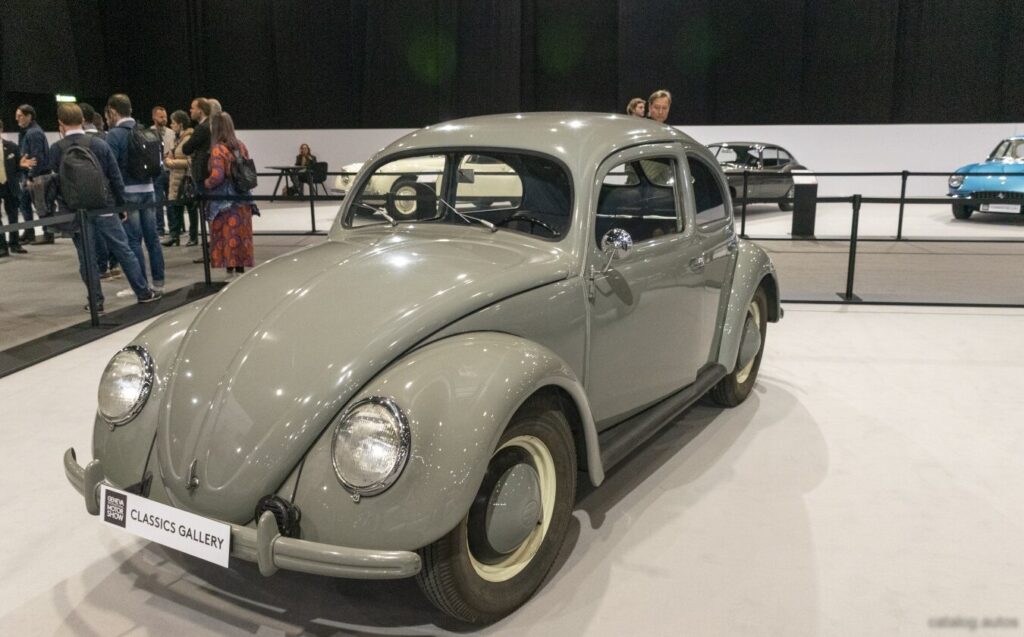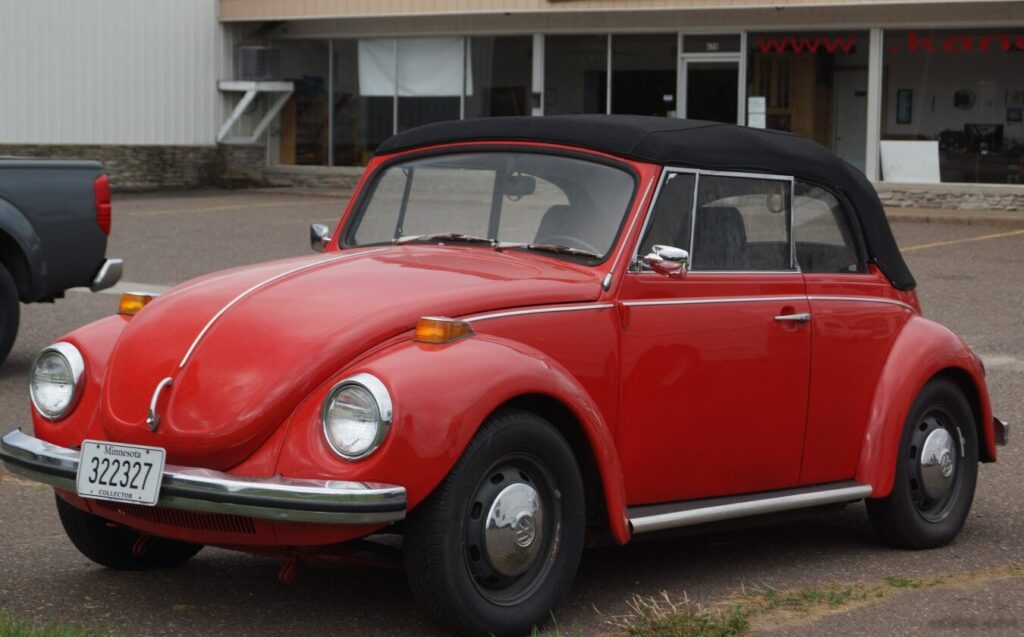
The Volkswagen Käfer Cabriolet (Type 15), produced between 1975 and 1979, represents the final iteration of the iconic Beetle Cabriolet. This version, specifically equipped with the 1.2-liter engine producing 34 horsepower, occupied the entry-level position within the Käfer Cabriolet range during its production run. It was designed to offer open-air motoring at the most accessible price point, appealing to buyers prioritizing affordability and the classic Beetle experience over outright performance. The 1303 designation refers to the internal Volkswagen model code, signifying updates to the chassis and body compared to earlier Beetle Cabriolets. This final generation benefited from improvements like a curved windshield and a more modern dashboard, while retaining the rear-engine, rear-wheel-drive layout that defined the Beetle for decades.
The 1.2-Liter Käfer Cabriolet: A Detailed Overview
The 1975-1979 Käfer Cabriolet 1.2 represented a conscious effort by Volkswagen to maintain the appeal of the open-top Beetle as emissions regulations tightened and more modern vehicles entered the market. While larger-engined versions were available, the 1.2-liter model provided a cost-effective entry point into Cabriolet ownership. It was primarily sold in European markets, with limited numbers reaching North America due to increasingly stringent safety and emissions standards. The relatively low power output meant this variant was geared towards leisurely cruising rather than spirited driving, making it a popular choice for those seeking a stylish and economical way to enjoy the open road.
Powertrain & Engine Architecture
The heart of the 1.2-liter Käfer Cabriolet is the Type 113 engine, a naturally aspirated, air-cooled, flat-four cylinder engine. This engine, displacing 1192cc, produced 34 horsepower (25 kW) at 4000 rpm and approximately 66 lb-ft (90 Nm) of torque at 3000 rpm. The engine utilized a single Solex C28/30 carburetor for fuel delivery, a relatively simple system known for its reliability but also for its sensitivity to adjustment. The valvetrain consisted of a single overhead camshaft operating pushrods to actuate the valves. The compression ratio was typically around 7.8:1.
Unlike some later Beetle variants, the 1.2-liter Cabriolet was exclusively offered with a four-speed manual transmission. An automatic transmission was not available for this specific engine and body combination. The transmission was fully synchronized, providing smoother gear changes compared to earlier, non-synchronized versions. The rear-wheel-drive configuration, coupled with the engine’s modest power output, resulted in relatively gentle acceleration. The engine’s air-cooled design required careful attention to oil levels and cooling fan operation to prevent overheating, particularly in hot climates or during prolonged periods of slow driving.
Driving Characteristics
The driving experience in a 1.2-liter Käfer Cabriolet is characterized by its simplicity and relaxed pace. Acceleration is modest, with 0-60 mph times estimated to be around 18-20 seconds. The four-speed manual transmission requires deliberate shifting, and the engine’s powerband is relatively narrow. However, the car’s light weight (approximately 1,850 lbs) and nimble handling make it enjoyable to drive on winding roads. The Cabriolet’s suspension, featuring independent rear suspension with trailing arms and torsion bars, provides a comfortable ride, absorbing bumps and imperfections in the road surface effectively. The steering, while not power-assisted, is relatively light and direct, offering good feedback to the driver. Compared to the 1.5 and 1.6-liter Cabriolets, the 1.2-liter model feels noticeably slower, particularly when climbing hills or overtaking other vehicles. However, its lower engine capacity also contributes to slightly better fuel economy.
Equipment & Trim Levels
The 1.2-liter Käfer Cabriolet was typically equipped with a relatively basic level of trim. Standard features included cloth upholstery, vinyl floor coverings, and a simple two-spoke steering wheel. The dashboard featured a speedometer, fuel gauge, and a temperature gauge. Chrome trim was used sparingly, primarily on the bumpers and window surrounds. The convertible top was manually operated and typically made of vinyl.
Optional extras included upgraded upholstery materials, a radio, and whitewall tires. A heated rear window was also available as an option, improving visibility in inclement weather. The interior color schemes were limited, typically offering a choice of black, blue, or beige. The exterior paint options were similarly restricted, with a range of solid colors available. The 1.2-liter model generally lacked the more luxurious features found on the higher-specification Cabriolets, such as leather upholstery, wood trim, and upgraded sound systems.
Chassis & Braking
The Käfer Cabriolet’s chassis was based on the standard Beetle platform, but with significant reinforcement to compensate for the lack of a fixed roof. The chassis consisted of a monocoque construction, providing a relatively rigid and durable structure. The suspension system featured independent rear suspension with trailing arms and torsion bars, a design pioneered by Volkswagen that contributed to the Beetle’s renowned ride comfort. The front suspension utilized independent wishbones with torsion bars.
The braking system consisted of drum brakes on all four wheels. While adequate for the car’s weight and performance, the drum brakes lacked the stopping power and fade resistance of disc brakes. The braking system was hydraulically operated, providing consistent and reliable performance. The 1.2-liter Cabriolet typically featured smaller diameter tires compared to the higher-specification models, contributing to a slightly softer ride but also reducing grip levels.
Market Reception & Comparison
The 1.2-liter Käfer Cabriolet was generally well-received by buyers seeking an affordable and stylish open-top car. Critics praised its classic design, comfortable ride, and ease of maintenance. However, the engine’s low power output was a common criticism, with some reviewers describing it as underpowered, particularly when fully loaded or driving uphill. Compared to the 1.5 and 1.6-liter Cabriolets, the 1.2-liter model offered significantly less performance but at a lower price point. Fuel economy was a strong point, with the 1.2-liter engine achieving around 35-40 mpg. Reliability was generally good, although the air-cooled engine required regular maintenance to prevent overheating and ensure optimal performance. The 1.2-liter model was often seen as a good choice for novice drivers or those who primarily used the car for short trips around town.
Technical Specifications
| Body Type | Cabriolet |
| Engine Type | Air-cooled, Flat-Four |
| Displacement | 1192 cc (1.2 liters) |
| Power Output | 34 hp (25 kW) @ 4000 rpm |
| Torque | 66 lb-ft (90 Nm) @ 3000 rpm |
| Fuel System | Solex C28/30 Carburetor |
| Transmission | 4-speed Manual |
| Drivetrain | Rear-Wheel Drive |
| Weight | Approximately 1,850 lbs (840 kg) |
| Top Speed | Approximately 85 mph (137 km/h) |
| Fuel Economy | 35-40 mpg |
| Production Years | 1975-1979 |
Legacy
The 1.2-liter Käfer Cabriolet represents the final chapter in the long and storied history of the Beetle Cabriolet. While not the most powerful or luxurious version, it remains a popular choice among enthusiasts and collectors. Its simplicity, affordability, and classic design continue to appeal to a wide range of buyers. The air-cooled engine, while requiring regular maintenance, is known for its durability and relatively straightforward repair procedures. Today, well-maintained examples of the 1.2-liter Cabriolet command respectable prices in the used car market, particularly those with original features and low mileage. The car’s enduring appeal is a testament to the timeless design and engineering of the original Volkswagen Beetle.