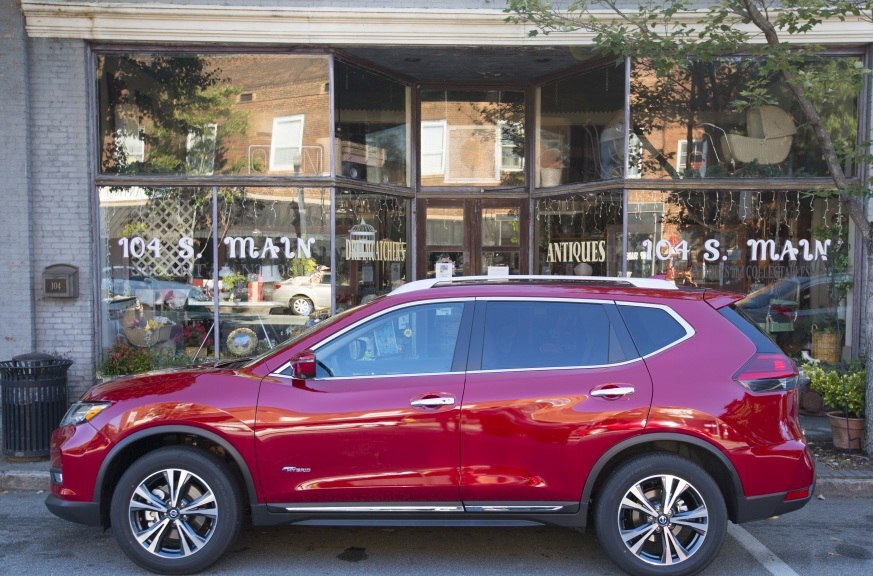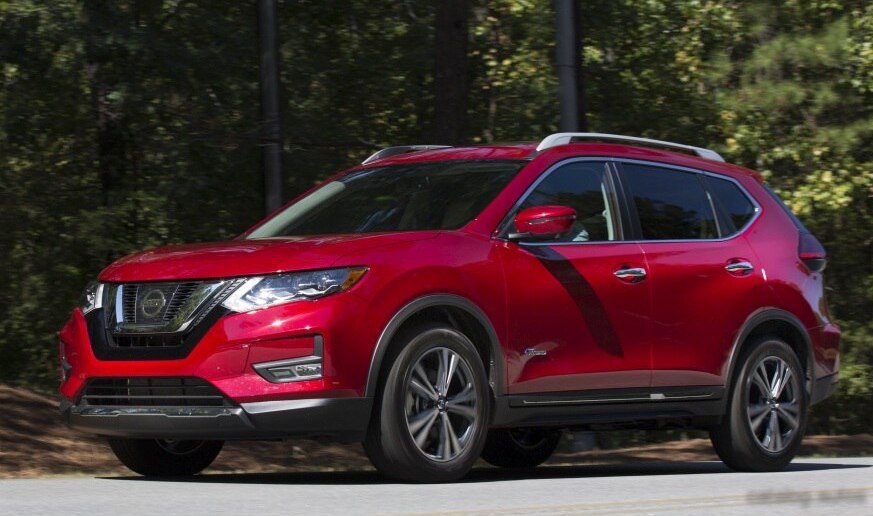
The Nissan Rogue II (T32 series), specifically the facelifted model produced from 2017 to September 2020, represented a significant update to Nissan’s popular compact crossover SUV. Among the various configurations offered, the 2.5-liter, 170 horsepower (hp) All-Wheel Drive (AWD) automatic variant occupied a central position in the lineup, serving as a well-rounded option appealing to a broad range of buyers. This version balanced performance, fuel efficiency, and available features, making it a common choice for families and individuals seeking a practical and reliable vehicle. The T32 Rogue was built on Nissan’s C/D platform, shared with other models like the Altima and Sentra, and the 2017 facelift brought revised styling, updated technology, and refinements to the powertrain.
The 2.5L AWD Automatic: Positioning and Overview
The 2.5L AWD Automatic Rogue was positioned as the mainstream offering within the T32 range. Below it sat the base S model, typically equipped with a 2.0-liter engine and front-wheel drive, aimed at budget-conscious consumers. Above it were higher trim levels like the SL and Platinum, which added luxury features and sometimes different wheel options, but retained the same 2.5-liter engine and AWD capability. The 2.5L AWD Automatic trim struck a balance, providing a comfortable level of equipment without the premium price tag of the top-tier models. It was designed to appeal to buyers who wanted the added security of all-wheel drive and the extra power of the larger engine for confident everyday driving.
Powertrain & Engine Architecture
At the heart of this Rogue variant lies the QR25DE 2.5-liter inline four-cylinder engine. This engine, a staple in Nissan’s lineup for many years, is known for its durability and relatively simple design. It features a cast iron block and aluminum cylinder head, with dual overhead camshafts (DOHC) controlling four valves per cylinder. The QR25DE utilizes a multi-port fuel injection system, delivering fuel directly into the intake ports. This system, while not as advanced as direct injection, proved reliable and contributed to the engine’s smooth operation. The engine produces 170 hp at 6000 rpm and 237 Newton-meters (Nm) of torque at 4400 rpm, which translates to 174.8 lb-ft of torque. The engine’s displacement is 2488 cubic centimeters (cm³), or 151.83 cubic inches (cu. in.).
The engine is mated to Nissan’s Xtronic Continuously Variable Transmission (CVT). This CVT, unlike traditional automatic transmissions with fixed gear ratios, uses a belt and pulley system to provide a virtually infinite number of gear ratios. This allows the engine to operate at its most efficient rpm for any given speed and load, contributing to improved fuel economy. While CVTs sometimes receive criticism for their driving feel, Nissan’s Xtronic CVT was generally well-regarded for its smoothness and responsiveness. The transmission is programmed to simulate stepped gear changes under hard acceleration, providing a more familiar feel for drivers accustomed to conventional automatics.
Driving Characteristics
The 2.5L AWD Automatic Rogue delivers adequate, though not exhilarating, performance. The 170 hp engine provides sufficient power for everyday driving situations, including merging onto highways and passing other vehicles. The CVT helps to maximize the available power, keeping the engine in its optimal operating range. Acceleration from 0 to 60 mph typically takes around 8.5 to 9.5 seconds, depending on load and road conditions. Compared to the base 2.0-liter engine, the 2.5-liter offers a noticeable improvement in acceleration and overall responsiveness. However, it doesn’t match the performance of sportier crossovers in its class.
The CVT’s programming plays a crucial role in the driving experience. In normal driving mode, the transmission prioritizes fuel efficiency, resulting in smooth and seamless acceleration. Switching to a sport mode alters the CVT’s behavior, holding lower “gear ratios” for longer and providing more aggressive acceleration. The AWD system operates automatically, seamlessly distributing torque between the front and rear wheels as needed to maintain traction. This is particularly beneficial in inclement weather conditions or on slippery surfaces. The Rogue’s suspension is tuned for comfort, providing a relatively smooth ride over most road surfaces.
Equipment & Trim Levels
The 2.5L AWD Automatic Rogue was typically offered in SV and SL trim levels. The SV trim included standard features such as a 7-inch touchscreen display with NissanConnect infotainment system, Apple CarPlay and Android Auto compatibility, Bluetooth connectivity, a rearview camera, and automatic emergency braking. Interior upholstery was typically cloth, with available options for upgraded materials. The SL trim added features like leather upholstery, heated front seats, a power-adjustable driver’s seat, and a larger touchscreen display. Optional extras available on both trims included a panoramic sunroof, Bose premium audio system, and Nissan ProPILOT Assist, a suite of advanced driver-assistance technologies.
Chassis & Braking
The Rogue II utilizes an independent coil spring suspension in the front and an independent multi-link suspension in the rear. This suspension setup provides a comfortable ride and good handling characteristics. The front suspension features stabilizer bars to reduce body roll during cornering. The AWD system adds to the vehicle’s stability and traction, particularly in adverse conditions. Braking duties are handled by ventilated discs on all four wheels, providing ample stopping power. The Rogue is equipped with an Anti-lock Braking System (ABS) and Electronic Brake-force Distribution (EBD) to enhance braking performance and safety. Steering is provided by an electric power steering system, which offers light and precise steering feel.
Market Reception & Comparison
The 2.5L AWD Automatic Rogue was generally well-received by automotive critics. It was praised for its comfortable ride, spacious interior, and user-friendly technology. The fuel economy, averaging around 27 US mpg combined, was considered competitive for its class. However, some critics noted that the engine could feel strained under hard acceleration, and the CVT’s driving feel wasn’t to everyone’s liking. Compared to other crossovers in its segment, such as the Honda CR-V and Toyota RAV4, the Rogue offered a more affordable price point and a more generous standard feature list. Reliability ratings were generally average, with some reports of minor issues with the CVT.
Technical Specifications
| Engine Model/Code | QR25DE |
| Engine Type | Inline 4-cylinder, Naturally Aspirated |
| Displacement | 2488 cm³ (151.83 cu. in.) |
| Bore x Stroke | 89 mm x 100 mm (3.5 in x 3.94 in) |
| Compression Ratio | 10:1 |
| Maximum Power | 170 hp @ 6000 rpm |
| Maximum Torque | 237 Nm (174.8 lb-ft) @ 4400 rpm |
| Fuel Injection | Multi-port Fuel Injection |
| Valvetrain | DOHC (Dual Overhead Camshaft) |
| Transmission | Xtronic CVT (Continuously Variable Transmission) |
| Drive Type | All-Wheel Drive (AWD) |
| Kerb Weight | 1624-1660 kg (3580.31 – 3659.67 lbs) |
| Fuel Consumption (Combined) | 8.7 l/100 km (27 US mpg, 32.5 UK mpg) |
| Fuel Tank Capacity | 55 l (14.53 US gal, 12.1 UK gal) |
Legacy
The 2.5L AWD Automatic Rogue II (T32) remains a popular choice in the used car market. The QR25DE engine is known for its longevity, and with proper maintenance, it can reliably exceed 200,000 miles. The Xtronic CVT, while potentially requiring servicing at higher mileage, has proven to be generally durable. The Rogue’s spacious interior, comfortable ride, and available features continue to appeal to buyers seeking a practical and affordable crossover SUV. While newer Rogue models offer more advanced technology and improved fuel efficiency, the T32 generation represents a solid value proposition for those looking for a reliable and well-equipped vehicle at a reasonable price.