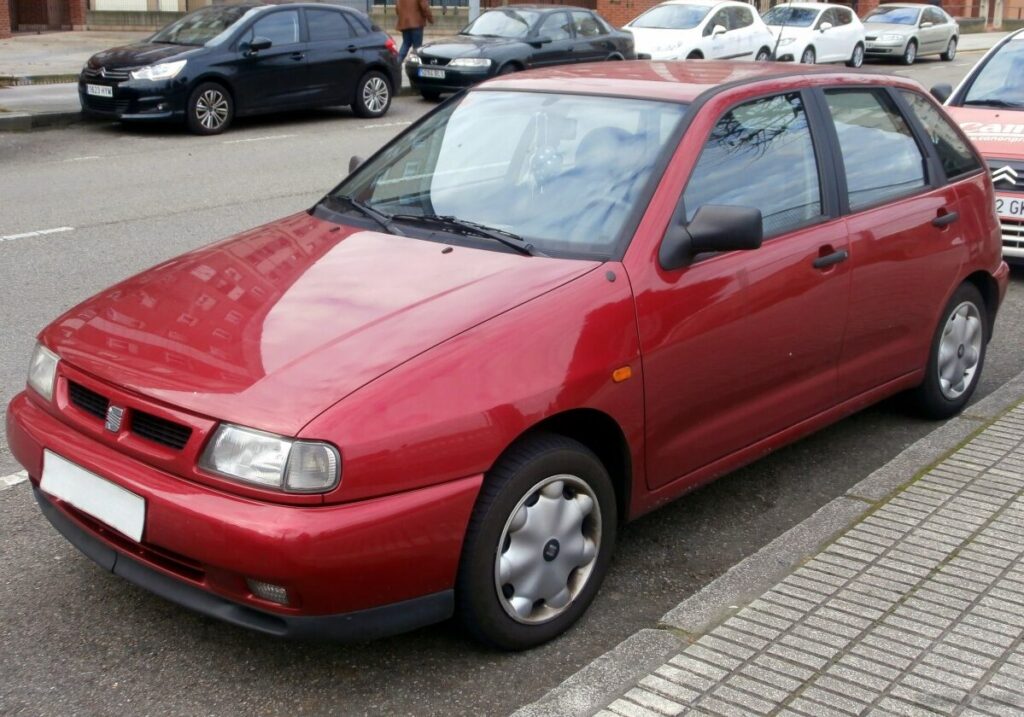
The Seat Ibiza II 1.9 TDI (90 hp) was a popular subcompact hatchback produced between 1996 and 1999. Part of the second generation Ibiza (6K1/6K2 chassis), this variant represented a significant step forward in terms of refinement and performance compared to its predecessor. It was positioned as a fuel-efficient and practical option within the Ibiza lineup, appealing to buyers seeking a blend of economy and usability. The 1.9 TDI model occupied a middle ground, offering more performance than the base gasoline engines but remaining more affordable and economical than the sportier trims.
The 1.9 TDI Engine and its Role in the Ibiza II Lineup
The 1.9 TDI variant was a key component of the Ibiza II’s success, particularly in European markets where diesel engines were highly favored. It provided a compelling alternative to the 1.4 and 1.6-liter gasoline engines, offering substantially improved fuel economy and torque. Compared to the more powerful (and expensive) Ibiza Cupra and GTI models, the 1.9 TDI focused on practicality and running costs rather than outright performance. It also differed significantly from later Ibiza models, which would eventually incorporate more advanced engine technologies and features.
Powertrain & Engine Architecture
The heart of the Ibiza II 1.9 TDI was the Volkswagen Group-sourced 1Z engine, a 1.9-liter, inline-four cylinder diesel engine. This engine was a mainstay in many VW, Audi, and Seat models of the era. The 1Z featured direct fuel injection, a technology that significantly improved combustion efficiency and reduced emissions. The engine code ‘1Z’ is crucial for identifying specific parts and service information. The engine produced 90 horsepower (hp) at 4000 rpm and 202 Nm (148.99 lb-ft) of torque at 1900 rpm. This torque figure, available at relatively low engine speeds, provided good responsiveness in everyday driving situations.
The fuel injection system utilized a Bosch VE distributor-type pump, a robust and reliable system common in diesel engines of the time. The engine employed an overhead camshaft (OHC) valvetrain with two valves per cylinder. A turbocharger with an intercooler was fitted to boost power output and improve throttle response. The intercooler cooled the compressed air from the turbocharger, increasing its density and further enhancing performance. The engine’s displacement was 1896 cm³ (115.7 cu. in.), with a bore of 79.5 mm (3.13 in.) and a stroke of 95.5 mm (3.76 in.). The compression ratio was a high 19.5:1, typical for a direct injection diesel engine.
While a five-speed manual transmission was the most common pairing for the 1.9 TDI, a four-speed automatic transmission was also available, though less frequently chosen. This automatic transmission, while offering convenience, did impact performance and fuel economy compared to the manual version. The automatic transmission was a conventional hydraulic automatic, lacking the more advanced electronic controls found in later transmissions.
Driving Characteristics
The Ibiza II 1.9 TDI with the manual transmission offered a surprisingly lively driving experience. The 202 Nm of torque provided strong acceleration from low speeds, making it well-suited for urban driving and overtaking. While not a sports car, the 1.9 TDI could reach 100 km/h (62 mph) in approximately 12 seconds and achieve a top speed of 180 km/h (112 mph). The automatic transmission version, however, felt noticeably slower due to the transmission’s inherent inefficiencies and less aggressive gear ratios. The gear ratios in the manual transmission were well-chosen to maximize fuel economy and provide adequate acceleration. The engine was relatively quiet for a diesel, but the characteristic diesel clatter was still audible, particularly at idle.
Equipment & Trim Levels
The Ibiza II 1.9 TDI was typically equipped with a reasonable level of standard features. Base models included power steering, central locking, and front electric windows. Higher trim levels, such as the Stella or GLX, added features like air conditioning, alloy wheels, a sunroof, and upgraded interior trim. Interior upholstery was typically cloth, with options for different patterns and colors. The dashboard layout was functional and straightforward, with clearly labeled controls. Optional extras included a radio/cassette player, rear electric windows, and metallic paint.
Chassis & Braking
The Ibiza II utilized a front-wheel-drive layout. The front suspension consisted of wishbones, providing a comfortable ride and decent handling. The rear suspension employed a spring strut setup. Braking was handled by ventilated discs on the front wheels and drum brakes on the rear wheels. Anti-lock Braking System (ABS) was available as an option, enhancing safety by preventing wheel lockup during hard braking. The steering was a rack and pinion system with hydraulic power assistance, providing precise and responsive steering feel. The standard tire size was 185/60 R14.
Market Reception & Comparison
The Seat Ibiza II 1.9 TDI was well-received by automotive critics and consumers alike. It was praised for its fuel efficiency, strong torque, and practicality. Compared to the gasoline-powered Ibiza models, the 1.9 TDI offered significantly better fuel economy – around 4.8 l/100 km (49 US mpg) combined – and lower running costs. However, the diesel engine was generally considered noisier and less refined than the gasoline alternatives. In terms of reliability, the 1.9 TDI engine proved to be very durable and long-lasting, provided it was properly maintained. The automatic transmission, however, was sometimes criticized for its sluggishness and potential for issues over time.
Technical Specifications
| Engine Type | Inline-4, Turbocharged Diesel |
| Engine Code | 1Z |
| Displacement | 1896 cm³ (115.7 cu. in.) |
| Power Output | 90 hp @ 4000 rpm |
| Torque | 202 Nm (148.99 lb-ft) @ 1900 rpm |
| Fuel Injection | Direct Injection |
| Valvetrain | OHC, 2 valves/cylinder |
| Compression Ratio | 19.5:1 |
| Transmission | 5-speed Manual or 4-speed Automatic |
| Drive Wheels | Front |
| Kerb Weight | 1055 kg (2325.88 lbs) |
| Maximum Weight | 1530 kg (3373.07 lbs) |
| Fuel Consumption (Urban) | 6.5 l/100 km (36.2 US mpg) |
| Fuel Consumption (Combined) | 4.8 l/100 km (49 US mpg) |
| 0-100 km/h | 12 sec |
| Top Speed | 180 km/h (112 mph) |
Legacy
The Seat Ibiza II 1.9 TDI remains a popular choice among used car buyers seeking an affordable and reliable hatchback. The 1.9 TDI engine is known for its longevity and relatively low maintenance costs. While finding well-maintained examples can be challenging due to their age, these cars can still provide years of reliable service. The 1.9 TDI powertrain became a benchmark for fuel efficiency and durability in the subcompact segment, influencing the design and development of future generations of Ibiza models. The engine’s robust construction and readily available parts contribute to its continued popularity in the used car market. However, potential buyers should be aware of the possibility of age-related issues, such as turbocharger wear and fuel injector problems, and ensure a thorough inspection before purchase.