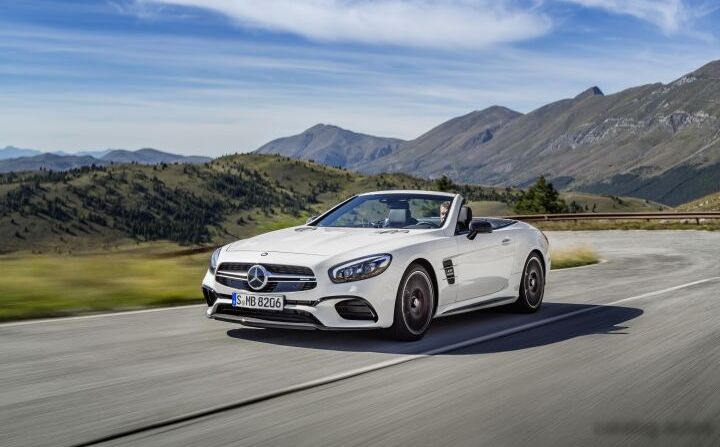
The Mercedes-Benz SL 400 V6 (367 Hp) G-TRONIC, produced from April 2016 to July 2018, represents a mid-range offering within the R231 generation of the iconic SL-Class roadster. This facelifted version of the R231, introduced in 2016, aimed to refine the model line with updated styling, improved technology, and a revised engine lineup. The SL 400 occupied a position between the entry-level SL 350 d (diesel) and the higher-performance SL 550/63 AMG models, targeting buyers seeking a blend of luxury, performance, and efficiency in a two-seat convertible. It continued the SL’s long tradition of grand touring, offering a sophisticated driving experience with modern amenities.
Powertrain & Engine Architecture
The heart of the SL 400 is the M276.825 3.0-liter V6 engine. This engine is a key component of Mercedes-Benz’s modular engine family, known for its efficiency and power density. It features direct fuel injection and utilizes twin turbochargers with intercooling to deliver a substantial 367 horsepower at 5500-6000 rpm and 500 Nm (368.78 lb-ft) of torque between 2000-4200 rpm. The engine boasts a compression ratio of 10.5:1. The M276 engine family is known for its use of all-aluminum construction, contributing to a relatively lightweight design.
Paired with the V6 engine is the 9G-TRONIC nine-speed automatic transmission. This transmission is a cornerstone of Mercedes-Benz’s drivetrain strategy, offering a wide range of gear ratios to optimize both fuel economy and performance. The 9G-TRONIC features a torque converter lockup clutch for improved efficiency and smooth shifts. The transmission’s programming is tailored to the SL 400’s character, providing responsive acceleration and comfortable cruising. The drivetrain is rear-wheel drive, maintaining the traditional sports car configuration favored by SL enthusiasts.
Fuel Injection and Valvetrain
The M276.825 engine employs a third-generation direct injection system, injecting fuel directly into the combustion chamber at pressures up to 200 bar. This precise fuel delivery enhances combustion efficiency and reduces emissions. The engine also features variable valve timing (VVT) on both the intake and exhaust sides, optimizing engine performance across the rev range. This system, known as CAMTRONIC, allows for variable valve lift, further enhancing efficiency and responsiveness.
Driving Characteristics
The SL 400 G-TRONIC delivers a refined and capable driving experience. The 367 hp V6 provides ample power for both spirited driving and comfortable highway cruising. Acceleration from 0 to 100 km/h (0-62 mph) takes approximately 4.9 seconds, and 0-60 mph is achieved in around 4.7 seconds. While not as brutally fast as the SL 550 or AMG variants, the SL 400 offers a more accessible and balanced performance profile. The 9G-TRONIC transmission contributes to smooth and seamless gear changes, enhancing the overall driving experience. The wide gear ratio spread allows the engine to operate efficiently at highway speeds, while still providing quick downshifts for overtaking maneuvers.
Compared to the SL 350 d, the SL 400 offers significantly more power and a more responsive driving experience. However, it lacks the raw power and aggressive character of the SL 550 and AMG models. The SL 400 strikes a balance between performance and comfort, making it a suitable choice for drivers who prioritize a refined grand touring experience.
Equipment & Trim Levels
The SL 400 G-TRONIC came standard with a comprehensive array of luxury features. Standard equipment typically included leather upholstery, automatic climate control, a premium sound system, and a power-retractable hardtop. The interior featured high-quality materials and a modern design. Available options included features such as heated and ventilated seats, a panoramic sunroof, advanced driver-assistance systems (like lane keeping assist and adaptive cruise control), and upgraded interior trim packages. The infotainment system featured a central display screen controlled by a rotary dial and buttons, offering navigation, audio controls, and vehicle settings. Exterior options included a variety of wheel designs, paint colors, and aerodynamic enhancements.
Chassis & Braking
The SL 400 utilizes an independent multi-link suspension system at both the front and rear axles. This suspension design provides a comfortable ride while maintaining precise handling characteristics. The suspension is tuned to balance ride comfort and handling performance, offering a composed and stable driving experience. The SL 400 is equipped with ventilated disc brakes on all four wheels, providing ample stopping power. Anti-lock braking system (ABS) is standard, enhancing braking performance and stability. The steering system is a rack-and-pinion setup with electric power steering, offering precise and responsive steering feel. The standard tire size is 255/40 R18, mounted on 18-inch alloy wheels.
Market Reception & Comparison
The SL 400 was generally well-received by automotive critics. It was praised for its refined engine, smooth transmission, and comfortable ride. Critics noted that the SL 400 offered a good balance of performance and efficiency, making it a practical choice for everyday driving. Fuel economy figures were rated at approximately 7.7 l/100 km (30.5 US mpg) combined, which was competitive for a vehicle in its class. Compared to the SL 350 d, the SL 400 offered a more engaging driving experience, but at the cost of slightly lower fuel economy. Compared to the SL 550, the SL 400 was more affordable and offered a more balanced performance profile. Reliability reports suggest that the M276 engine is generally reliable, although preventative maintenance is crucial.
Technical Specifications
| Engine Model/Code | M 276.825 |
| Engine Displacement | 2996 cm3 (182.83 cu. in.) |
| Number of Cylinders | 6 |
| Engine Configuration | V-engine |
| Compression Ratio | 10.5:1 |
| Fuel Injection System | Direct Injection |
| Engine Aspiration | BiTurbo, Intercooler |
| Power | 367 Hp @ 5500-6000 rpm |
| Torque | 500 Nm @ 2000-4200 rpm (368.78 lb.-ft.) |
| Fuel Type | Petrol (Gasoline) |
| Acceleration 0-100 km/h | 4.9 sec |
| Acceleration 0-60 mph | 4.7 sec |
| Maximum Speed | 250 km/h (155.34 mph) |
| Fuel Consumption (Urban) | 10.5 l/100 km (22.4 US mpg) |
| Fuel Consumption (Extra Urban) | 6 l/100 km (39.2 US mpg) |
| Fuel Consumption (Combined) | 7.7 l/100 km (30.5 US mpg) |
| CO2 Emissions | 175 g/km |
| Kerb Weight | 1660 kg (3659.67 lbs.) |
| Max. Weight | 2115 kg (4662.78 lbs.) |
| Fuel Tank Capacity | 65 l (17.17 US gal) |
| Length | 4631 mm (182.32 in.) |
| Width | 1877 mm (73.9 in.) |
| Height | 1315 mm (51.77 in.) |
| Wheelbase | 2585 mm (101.77 in.) |
| Transmission | 9-speed automatic G-TRONIC |
Legacy
The SL 400 G-TRONIC represents a well-engineered and refined iteration of the SL-Class roadster. The M276 V6 engine and 9G-TRONIC transmission have proven to be reliable powertrains, and the SL 400 continues to be a desirable option in the used car market. While the R231 generation SL was ultimately discontinued in 2020, the SL 400 remains a popular choice for buyers seeking a luxurious and capable grand tourer. Its blend of performance, efficiency, and comfort ensures its continued appeal for years to come. Regular maintenance, particularly regarding the turbochargers and fuel system, is key to preserving the long-term reliability of this powertrain.