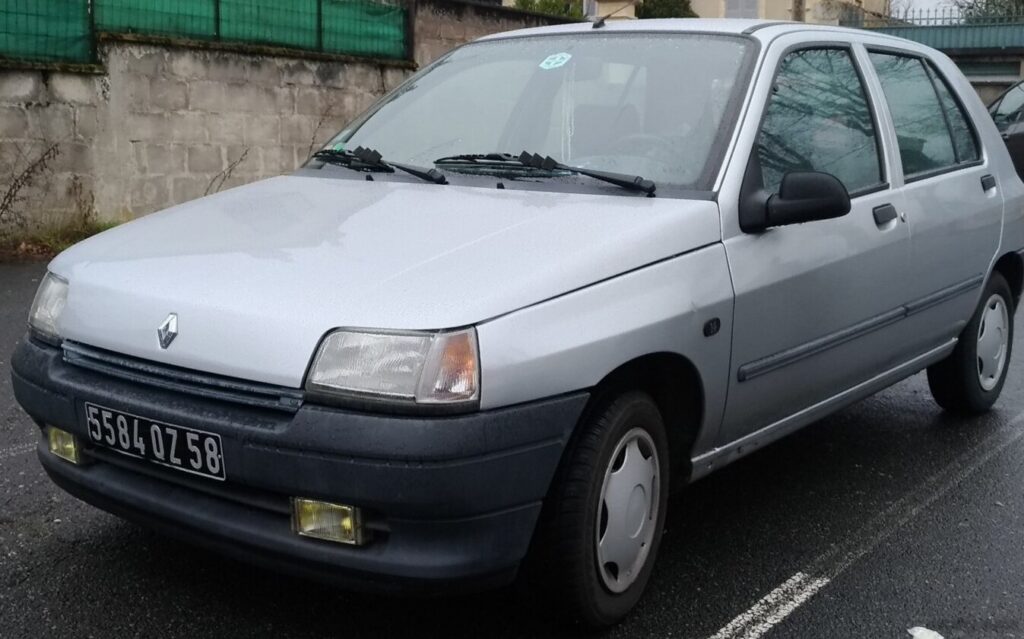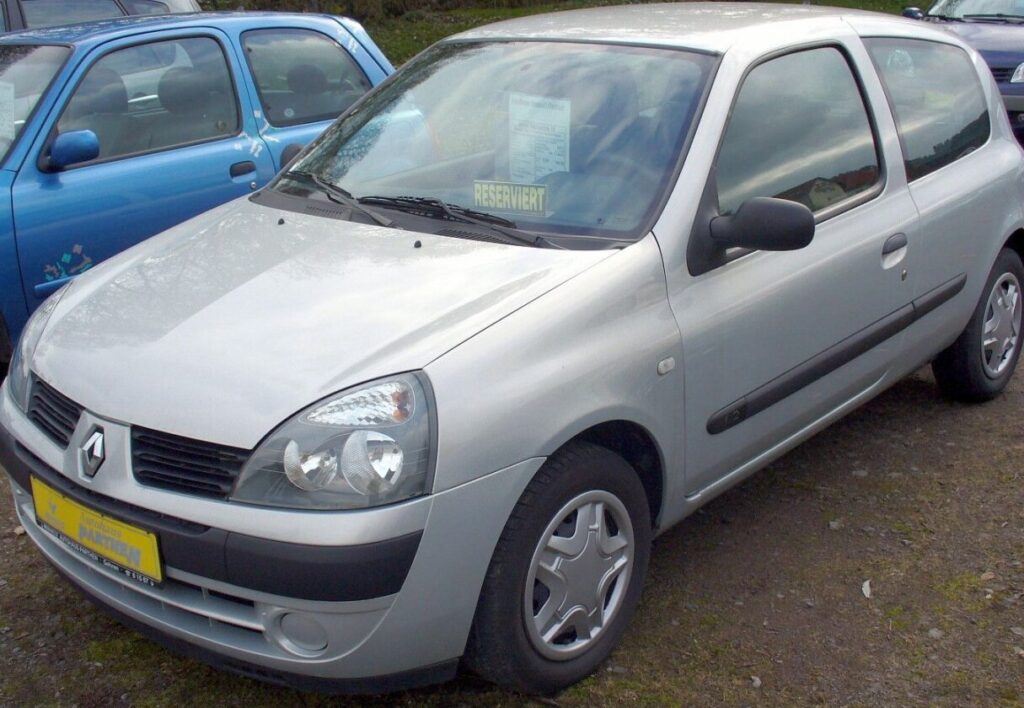
The Renault Clio II Phase II, produced from 2001 to 2003, represented a significant refresh of Renault’s popular supermini. Within the Phase II range, the 3-door 1.4 16V model, producing 98 horsepower, occupied a crucial position as a mainstream offering, bridging the gap between the base-level engines and the more performance-oriented variants. This version was designed to appeal to buyers seeking a balance of affordability, practicality, and reasonable performance in a compact package, primarily targeting young drivers, small families, and city commuters. It was built on the 1HX0/A3 platform, shared with other Renault and Nissan models of the era.
The 1.4 16V Engine and Powertrain
The heart of this Clio variant was the Renault K4J engine, a 1.4-liter inline-four cylinder gasoline engine. This engine was a mainstay in Renault’s lineup for several years, known for its relative reliability and fuel efficiency. The ‘16V’ designation indicates the engine featured four valves per cylinder, contributing to improved breathing and power output compared to older 8-valve designs. The K4J engine produced 98 hp at 6000 rpm and 127 Nm (93.67 lb-ft) of torque at 3750 rpm. It utilized a multi-port fuel injection system, delivering fuel directly into the intake ports, and a double overhead camshaft (DOHC) valvetrain for precise valve control.
Crucially, the 1.4 16V was typically paired with a five-speed manual transmission, but an optional four-speed automatic transmission was available, and is the focus of this article. This automatic gearbox, while offering convenience, was a conventional hydraulic automatic, not a continuously variable transmission (CVT). It featured standard torque converter technology and was designed for smooth, if not particularly sporty, shifts. The automatic transmission impacted the overall driving experience, as detailed below.
Engine Code and Technical Details
The K4J engine’s design incorporated a cast iron block and an aluminum cylinder head. The bore and stroke measured 79.5 mm (3.13 in) and 70 mm (2.76 in) respectively, resulting in a displacement of 1390 cm³ (84.82 cu. in). The compression ratio was set at 10:1. Engine oil capacity was 4.9 liters (5.18 US qt / 4.31 UK qt), and the recommended oil specification varied depending on the year and market, but generally adhered to ACEA standards. The cooling system required 5.7 liters (6.02 US qt / 5.02 UK qt) of coolant.
Driving Characteristics
The 1.4 16V with the automatic transmission delivered a comfortable, but not exhilarating, driving experience. Acceleration from 0 to 100 km/h (0-62 mph) took approximately 10.5 seconds, and the top speed was around 185 km/h (114.95 mph). The automatic transmission, while convenient, noticeably dulled the engine’s performance. The gear ratios were optimized for fuel economy and smooth cruising rather than rapid acceleration. Compared to the manual transmission version of the same engine, the automatic suffered a slight performance penalty. The manual version offered quicker acceleration and a more engaging driving experience, appealing to drivers who prioritized performance. Compared to the higher-output 1.6 16V or the diesel variants, the 1.4 automatic was significantly less powerful, but also more affordable to purchase and insure.
The power delivery was relatively linear, with usable torque available from mid-range revs. However, the automatic transmission sometimes hesitated during overtaking maneuvers, requiring careful planning. The steering was light and precise, making it easy to maneuver in urban environments. Overall, the driving experience was geared towards practicality and ease of use rather than sporty performance.
Equipment & Trim Levels
The 1.4 16V automatic typically came with a reasonable level of standard equipment. This included power steering, central locking, electric front windows, and an adjustable steering column. Safety features included ABS (Anti-lock Braking System) and driver and passenger airbags. Interior upholstery was typically cloth, with a relatively simple dashboard layout. Optional extras included air conditioning, alloy wheels, a CD player, and metallic paint. Higher trim levels, such as the ‘Expression’ or ‘Dynamique’ variants, added features like rear electric windows, a trip computer, and upgraded interior trim.
The 3-door body style itself was considered more sporty and youthful than the 5-door version, appealing to a slightly different demographic. The interior space, while adequate for four adults, was somewhat limited in the rear due to the compact dimensions of the Clio II.
Chassis & Braking
The Clio II utilized an independent McPherson strut suspension at the front, providing a comfortable ride and good handling characteristics. The rear suspension employed a semi-independent beam with a stabilizer bar, offering a compromise between comfort and stability. The front brakes were discs, providing adequate stopping power, while the rear brakes were drums, a cost-saving measure common in this class of vehicle. The hydraulic power steering provided light and precise steering feel.
The kerb weight of the 1.4 16V automatic was approximately 980 kg (2160.53 lbs). The weight distribution was reasonably balanced, contributing to stable handling. Tire sizes typically ranged from 175/65 R14 to 185/55 R15, depending on the trim level and optional equipment.
Market Reception & Comparison
The Renault Clio II, in general, was a very successful model, consistently ranking among the best-selling superminis in Europe. The 1.4 16V automatic variant was well-received as a practical and affordable option. Critics praised its fuel economy (6.7 l/100 km combined – 35.1 US mpg / 42.2 UK mpg / 14.9 km/l) and comfortable ride. However, the automatic transmission was often criticized for its lack of responsiveness and its impact on performance. Compared to the manual version, the automatic offered slightly worse fuel economy and slower acceleration.
In terms of reliability, the K4J engine was generally considered to be robust, but the automatic transmission could be prone to issues if not properly maintained. Regular fluid changes were essential to ensure its longevity. Compared to other vehicles in its class, such as the Ford Fiesta or the Volkswagen Polo, the Clio II offered a good balance of features, performance, and price.
Technical Specifications
| Brand | Renault |
| Model | Clio II Phase II |
| Engine | 1.4 16V (K4J) |
| Displacement | 1390 cm³ (84.82 cu. in.) |
| Power | 98 hp @ 6000 rpm |
| Torque | 127 Nm @ 3750 rpm (93.67 lb-ft) |
| Transmission | 4-speed Automatic |
| Drive | Front-wheel drive |
| Acceleration 0-100 km/h | 10.5 sec |
| Top Speed | 185 km/h (114.95 mph) |
| Fuel Consumption (Combined) | 6.7 l/100 km (35.1 US mpg / 42.2 UK mpg) |
| CO2 Emissions | 160 g/km |
| Kerb Weight | 980 kg (2160.53 lbs) |
| Fuel Tank Capacity | 50 l (13.21 US gal / 11 UK gal) |
| Length | 3773 mm (148.54 in) |
| Width | 1940 mm (76.38 in) |
| Height | 1417 mm (55.79 in) |
Legacy
The Renault Clio II 1.4 16V automatic, while not the most exciting variant in the range, remains a popular choice in the used car market due to its affordability, reliability, and fuel efficiency. The K4J engine is known for its durability, and with proper maintenance, it can provide many years of reliable service. However, potential buyers should be aware of the potential for issues with the automatic transmission, and a thorough inspection is recommended before purchase. Today, these Clios are often sought after by enthusiasts looking for a classic French hatchback or as a first car for young drivers. The combination of a relatively simple mechanical design and readily available spare parts makes it a relatively easy car to maintain and repair, contributing to its enduring appeal.