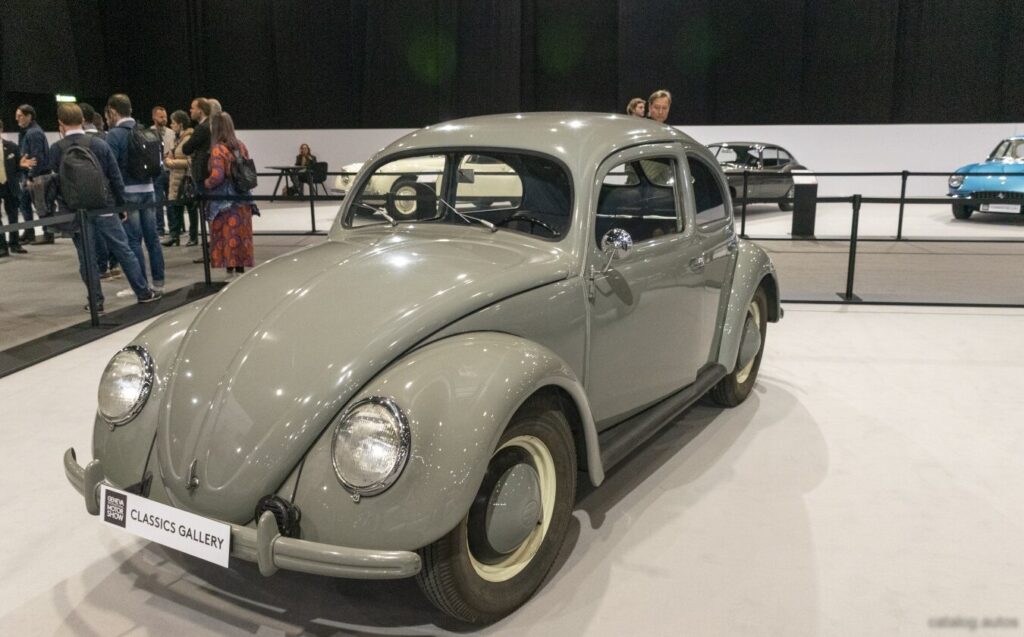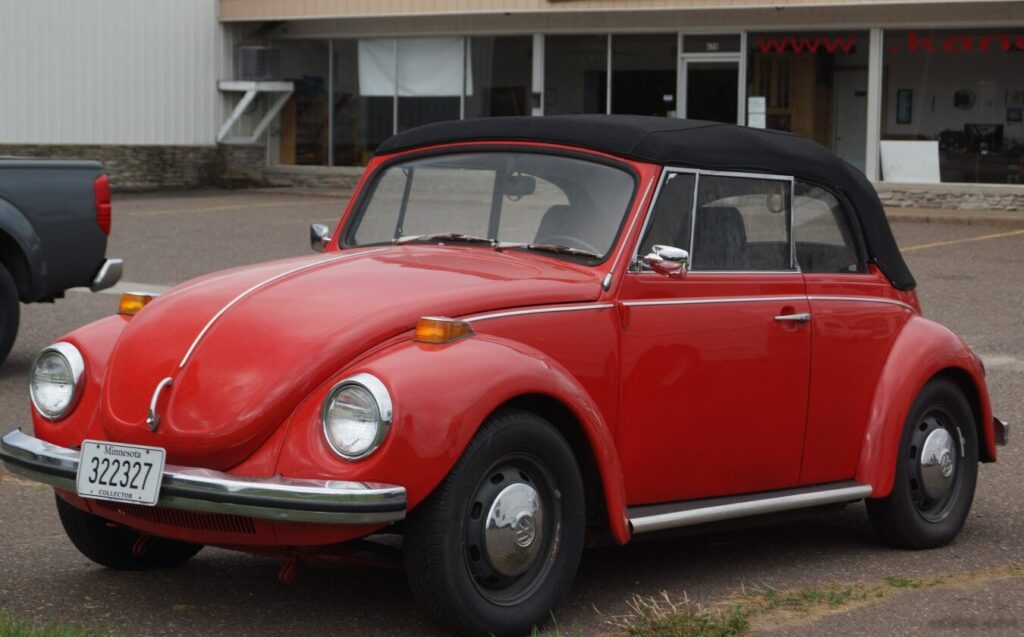
The Volkswagen Käfer Cabriolet (Type 15), produced from 1970 to 1981, represented the final iteration of the iconic Beetle convertible. The 1303 1.3-liter (44 hp) variant, specifically, occupied the entry-level position within the Cabriolet range during much of its production run. It was designed to offer open-air motoring at a more accessible price point than the higher-specification 1600cc models. This version utilized the mechanically simpler, smaller displacement engine, paired exclusively with a four-speed manual transmission, catering to buyers prioritizing affordability and basic transportation over outright performance. The 1303 designation refers to the internal Volkswagen model code, signifying updates to the original Beetle platform, including a larger rear window and improved ventilation.
The 1.3L Engine in the Käfer Cabriolet
Powertrain & Engine Architecture
The heart of the 1303 1.3-liter Käfer Cabriolet was the Type 132 engine, a naturally aspirated, air-cooled, flat-four cylinder engine. This engine displaced 1285cc (78.4 cubic inches) and produced 44 horsepower (33 kW) at 4,000 rpm, and approximately 69 lb-ft (94 Nm) of torque at 3,000 rpm. The engine featured a single Solex C32 PB carburetor, responsible for fuel delivery. Unlike later, more sophisticated fuel injection systems, the carburetor relied on vacuum and airflow principles to mix air and fuel. The valvetrain consisted of a single overhead camshaft operating two valves per cylinder. The compression ratio was 8.5:1. Lubrication was achieved through a pressure-fed system with a wet sump. Cooling relied entirely on air circulation around the engine and cooling fins, making it susceptible to overheating in extremely hot climates or during prolonged periods of high-load operation.
The engine was mounted rearward of the rear axle, a defining characteristic of the original Beetle design. This placement significantly impacted handling characteristics, contributing to a distinctive rear-biased feel. The engine was coupled to a four-speed manual transmission, which was fully synchronized. The transmission’s gear ratios were optimized for fuel economy and everyday driving rather than spirited acceleration. The final drive ratio was typically 3.89:1, further emphasizing the engine’s focus on usability over performance. The drivetrain was rear-wheel drive.
Driving Characteristics
The 1.3-liter engine in the Käfer Cabriolet provided adequate, but not exhilarating, performance. Acceleration from 0 to 60 mph was estimated to take around 18-20 seconds, and top speed was approximately 85 mph (137 km/h). The car felt relatively slow compared to contemporary vehicles, particularly when fully loaded with passengers and luggage. The four-speed manual transmission required frequent shifting to maintain momentum, especially when climbing hills. The engine’s torque curve was relatively flat, providing usable power across a narrow rev range. The rear-engine layout and relatively soft suspension contributed to a noticeable amount of body roll in corners. However, the light weight of the Cabriolet (around 1,700 lbs / 770 kg) helped to mitigate some of the handling deficiencies. The steering was non-power assisted, requiring a reasonable amount of effort, particularly at low speeds.
Compared to the 1600cc versions of the Käfer Cabriolet, the 1.3-liter model felt significantly less powerful. The 1600cc engines offered approximately 60-70 horsepower, resulting in noticeably quicker acceleration and higher top speeds. The 1600cc models were also generally equipped with hydraulic disc brakes on all four wheels, while the 1.3-liter models typically featured drum brakes on the rear axle. The 1.3-liter engine was, however, more fuel-efficient than the larger displacement engines, offering an estimated fuel economy of around 28-32 mpg (US) in typical driving conditions.
Equipment & Trim Levels
The 1303 1.3-liter Käfer Cabriolet was positioned as the entry-level model, and as such, it came with a relatively basic level of equipment. Standard features included cloth upholstery, vinyl floor covering, and a simple two-spoke steering wheel. The dashboard was constructed from painted metal and featured a speedometer, fuel gauge, and a temperature gauge. The convertible top was manually operated and typically made from a durable vinyl material. Bumpers were chrome-plated steel. Exterior trim was minimal, consisting primarily of polished aluminum strips and VW emblems.
Optional extras included upgraded upholstery materials (such as leatherette), a radio, whitewall tires, and a heated rear window. A more luxurious trim level, often referred to as the “L” trim, was available, which included additional chrome trim, upgraded interior appointments, and other comfort features. The availability of optional extras varied depending on the market.
Chassis & Braking
The Käfer Cabriolet utilized a unibody construction, with a separate chassis and body. The suspension consisted of independent torsion beam front suspension and swing axle rear suspension. The front suspension featured transverse torsion bars, while the rear suspension utilized a combination of torsion bars and shock absorbers. The 1.3-liter models typically featured drum brakes on all four wheels, although some later models were equipped with front disc brakes. The braking system was hydraulic, with a single master cylinder. Steering was of the worm and sector type, providing a relatively direct feel but requiring a significant amount of effort. The tires were typically 165-80 R15, mounted on steel wheels with chrome hubcaps.
The rear swing axle suspension, while simple and robust, was known for its tendency to exhibit “tuck-under” during aggressive cornering. This phenomenon occurred when the rear wheels were deflected upwards due to the suspension geometry, causing the car to lose grip and potentially spin. The 1.3-liter models, with their lower power output, were less prone to this issue than the higher-performance 1600cc versions.
Market Reception & Comparison
The 1303 1.3-liter Käfer Cabriolet was generally well-received by the public, particularly as an affordable entry point into the world of open-air motoring. Critics praised its charming styling, simple mechanicals, and relatively low running costs. However, the engine’s lack of power and the car’s handling characteristics were often criticized. Compared to other convertibles of the era, such as the Fiat 124 Spider and the MG Midget, the Käfer Cabriolet offered a more practical and reliable alternative, but lacked the same level of performance and sophistication.
In terms of fuel economy, the 1.3-liter engine offered a significant advantage over the larger displacement engines. Reliability was generally good, although the air-cooled engine required regular maintenance to prevent overheating and ensure optimal performance. The Käfer Cabriolet’s simple mechanical design made it relatively easy to repair, even for amateur mechanics.
Technical Specifications
| Body Type | Cabriolet |
| Engine Type | Air-cooled, Flat-Four |
| Displacement | 1285cc (78.4 cu in) |
| Power | 44 hp (33 kW) @ 4,000 rpm |
| Torque | 69 lb-ft (94 Nm) @ 3,000 rpm |
| Fuel System | Solex C32 PB Carburetor |
| Transmission | 4-speed Manual |
| Drivetrain | Rear-Wheel Drive |
| Brakes (Front) | Drum or Disc (depending on year) |
| Brakes (Rear) | Drum |
| Weight | Approx. 1,700 lbs (770 kg) |
| Fuel Economy | 28-32 mpg (US) |
| Production Years | 1970-1981 |
Legacy
The 1303 1.3-liter Käfer Cabriolet remains a popular classic car today, particularly among enthusiasts who appreciate its simplicity, charm, and affordability. The engine, while not particularly powerful, is known for its durability and relatively easy maintenance. However, finding original parts can be challenging, and the air-cooled engine requires regular attention to prevent overheating. The Käfer Cabriolet’s iconic styling and open-air driving experience continue to appeal to a wide range of drivers. Values have been steadily increasing in recent years, reflecting the growing demand for classic Volkswagen models. Well-maintained examples are highly sought after by collectors and enthusiasts alike, representing a tangible link to a bygone era of automotive history. The 1.3L engine, while the least powerful offered in the Cabriolet, provides a unique and enjoyable driving experience for those seeking a classic Volkswagen without the higher price tag of the 1600cc models.