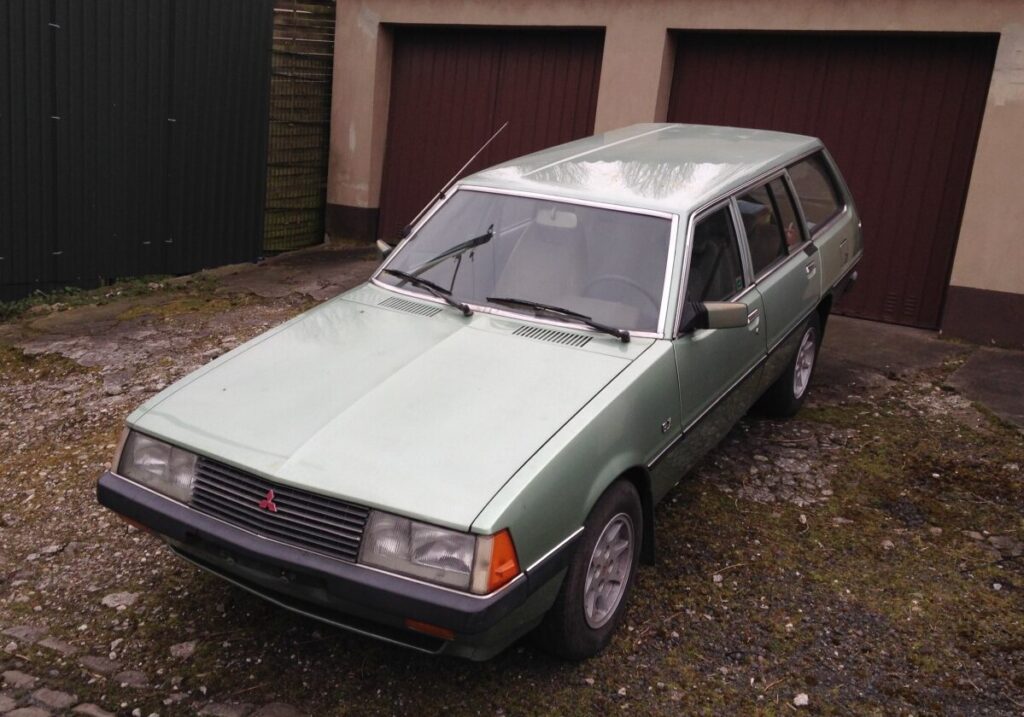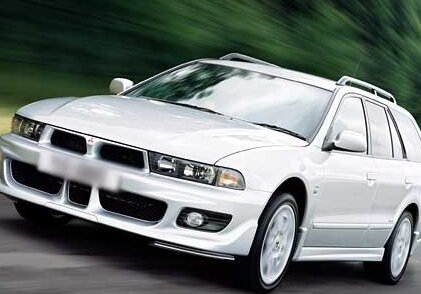
The Mitsubishi Galant VII Wagon 2.0 TDI (90 hp) was a station wagon produced between 1996 and 2002, representing a diesel-powered variant within the seventh generation (1996-2002) of the Galant line. This model, built on the 1HX0 platform, offered a practical and fuel-efficient option for families and those requiring substantial cargo space. Positioned as a mid-range offering, it sat below the more powerful gasoline-fueled variants and above the base models in terms of equipment and performance. The 2.0 TDI wagon aimed to provide a balance between economy, practicality, and reasonable performance for the European market, where diesel engines were increasingly popular.
Powertrain & Engine Architecture
The heart of the Galant VII Wagon 2.0 TDI was the 4D68T 2.0-liter inline-four cylinder diesel engine. This engine utilized a precombustion chamber injection system, a common technology for diesel engines of the era, designed to improve combustion efficiency and reduce noise. The 4D68T engine displaced 1998 cm³ (121.93 cubic inches) and featured a bore of 82.7 mm (3.26 inches) and a stroke of 93 mm (3.66 inches). It operated with a compression ratio of 22.4:1 and employed an overhead camshaft (OHC) valvetrain with two valves per cylinder. A turbocharger was integrated into the engine to boost power output.
While the original content specified a 5-speed manual transmission, it’s important to note that Mitsubishi also offered an optional 4-speed automatic transmission with this engine. The automatic transmission was designed to provide ease of use, particularly in urban driving conditions. The gear ratios were optimized for fuel efficiency and acceptable acceleration, though performance was noticeably reduced compared to the manual version. The automatic transmission featured electronic control for smoother shifting and improved responsiveness.
The engine produced a maximum power output of 90 hp (67 kW) at 4500 rpm and a torque of 202 Nm (148.99 lb-ft) at 2500 rpm. This resulted in a power-to-liter ratio of 45 hp/liter. Engine oil capacity was 5.1 liters (5.39 US quarts / 4.49 UK quarts), and the recommended oil specification would have been detailed in the owner’s manual.
Fuel Injection System
The precombustion chamber injection system used in the 4D68T engine involved injecting fuel into a small precombustion chamber connected to the main combustion chamber. This design aided in better fuel atomization and more complete combustion, especially during cold starts. The system relied on a mechanical fuel pump and injectors, typical for diesel engines of this period.
Driving Characteristics
The Galant VII Wagon 2.0 TDI (90 hp) offered a driving experience focused on practicality and fuel economy rather than outright performance. Acceleration was adequate for everyday driving, but the 90 hp output and the weight of the vehicle (approximately 1350 kg or 2976.24 lbs) meant that spirited driving was not its forte. The turbocharger helped to mitigate some of the power deficit, providing a noticeable boost in torque at lower engine speeds.
The manual transmission version offered more control and responsiveness, allowing drivers to maximize the available power. The automatic transmission, while convenient, resulted in some power loss and a less engaging driving experience. Gear ratios were chosen to prioritize fuel efficiency, with taller gearing for highway cruising. Handling was generally stable and predictable, typical of a front-wheel-drive station wagon. The suspension was tuned for comfort, providing a reasonably smooth ride over most road surfaces.
Equipment & Trim Levels
The Galant VII Wagon 2.0 TDI typically came equipped with a range of standard features, including power steering, central locking, electric windows, and an anti-lock braking system (ABS). Interior upholstery was usually cloth, with a functional and durable design. The dashboard layout was straightforward and easy to use, with clearly labeled controls. Optional extras available for this trim level included air conditioning, a radio/cassette player, alloy wheels, and upgraded interior trim. Specific trim levels varied depending on the market, with higher-spec versions offering additional features such as a sunroof, leather upholstery, and more advanced audio systems.
Chassis & Braking
The Galant VII Wagon 2.0 TDI featured a front-wheel-drive layout with coil spring suspension on both the front and rear axles. The front suspension utilized MacPherson struts, while the rear suspension employed a multi-link setup. This configuration provided a good balance between ride comfort and handling stability. The braking system consisted of disc brakes on all four wheels, providing adequate stopping power for the vehicle’s weight and performance. The steering system was a rack and pinion type with hydraulic power assistance, offering precise and responsive steering feel. The vehicle was equipped with 185/70 R14 tires.
Market Reception & Comparison
The Mitsubishi Galant VII Wagon 2.0 TDI was generally well-received in European markets as a practical and fuel-efficient family vehicle. Critics praised its spacious interior, large cargo capacity, and reasonable running costs. However, some reviewers noted that the 90 hp engine was somewhat underpowered, particularly when the vehicle was fully loaded. Compared to the gasoline-powered Galant variants, the 2.0 TDI offered significantly better fuel economy but less overall performance. The 2.0 TDI was also often compared to other diesel-powered station wagons from competitors such as Ford, Volkswagen, and Peugeot. In terms of reliability, the 4D68T engine was generally considered to be robust and durable, although regular maintenance was essential to prevent issues.
Technical Specifications
| Brand | Mitsubishi |
| Model | Galant |
| Generation | Galant VII Wagon |
| Type (Engine) | 2.0 TDI (90 Hp) |
| Start of production | 1996 |
| End of production | 2002 |
| Body type | Station wagon (estate) |
| Seats | 5 |
| Doors | 5 |
| Fuel consumption (urban) | 8 l/100 km (29.4 US mpg) |
| Fuel consumption (extra urban) | 6 l/100 km (39.2 US mpg) |
| Fuel Type | Diesel |
| Maximum speed | 180 km/h (111.85 mph) |
| Weight-to-power ratio | 15 kg/Hp |
| Weight-to-torque ratio | 6.7 kg/Nm |
| Power | 90 Hp @ 4500 rpm |
| Torque | 202 Nm @ 2500 rpm (148.99 lb.-ft. @ 2500 rpm) |
| Engine layout | Front, Transverse |
| Engine Model/Code | 4D68 T |
| Engine displacement | 1998 cm3 (121.93 cu. in.) |
| Number of cylinders | 4 |
| Engine configuration | Inline |
| Cylinder Bore | 82.7 mm (3.26 in.) |
| Piston Stroke | 93 mm (3.66 in.) |
| Compression ratio | 22.4:1 |
| Number of valves per cylinder | 2 |
| Fuel injection system | Precombustion chamber injection |
| Engine aspiration | Turbocharger |
| Valvetrain | OHC |
| Engine oil capacity | 5.1 l (5.39 US qt | 4.49 UK qt) |
| Kerb Weight | 1350 kg (2976.24 lbs.) |
| Max. weight | 1925 kg (4243.9 lbs.) |
| Max load | 575 kg (1267.66 lbs.) |
| Trunk (boot) space – minimum | 420 l (14.83 cu. ft.) |
| Trunk (boot) space – maximum | 1400 l (49.44 cu. ft.) |
| Fuel tank capacity | 64 l (16.91 US gal | 14.08 UK gal) |
| Length | 4680 mm (184.25 in.) |
| Width | 1740 mm (68.5 in.) |
| Height | 1445 mm (56.89 in.) |
| Wheelbase | 2635 mm (103.74 in.) |
| Front track | 1510 mm (59.45 in.) |
| Rear track | 1505 mm (59.25 in.) |
| Drivetrain | Front wheel drive |
| Number of gears | 5 (manual) / 4 (automatic) |
| Front brakes | Disc |
| Rear brakes | Disc |
| Tires size | 185/70 R14 |
Legacy
The Mitsubishi Galant VII Wagon 2.0 TDI, while not a high-performance vehicle, has proven to be a reliable and durable option in the used car market. The 4D68T engine, when properly maintained, is known for its longevity. Today, these wagons are often sought after by those looking for a practical and affordable family vehicle with good fuel economy. Parts availability can be a challenge in some regions, but the robust construction of the engine and chassis means that many examples are still on the road. The Galant VII Wagon 2.0 TDI represents a solid and dependable choice for those prioritizing practicality and value.