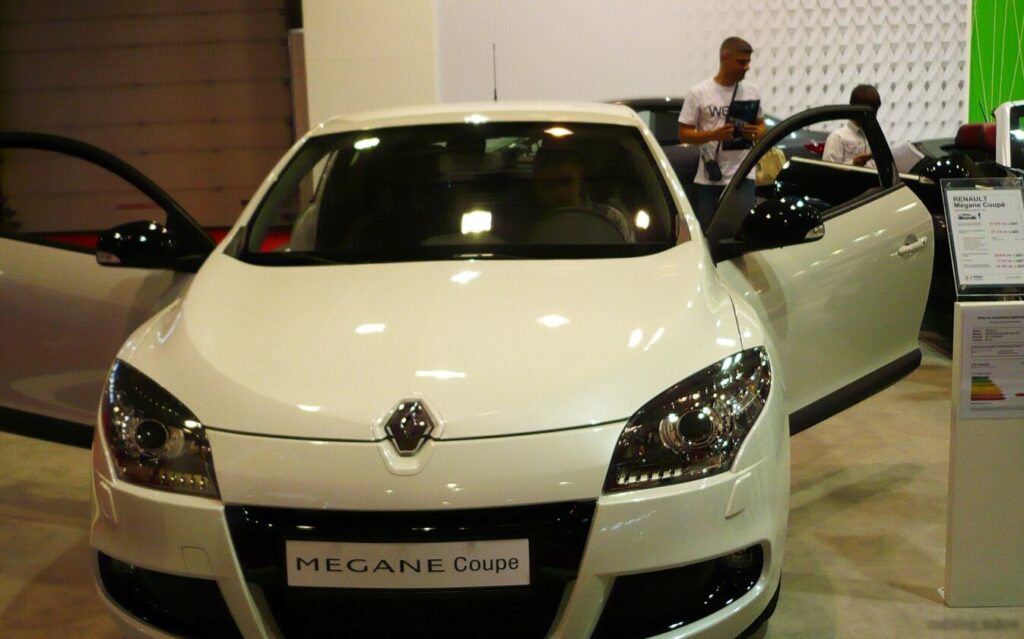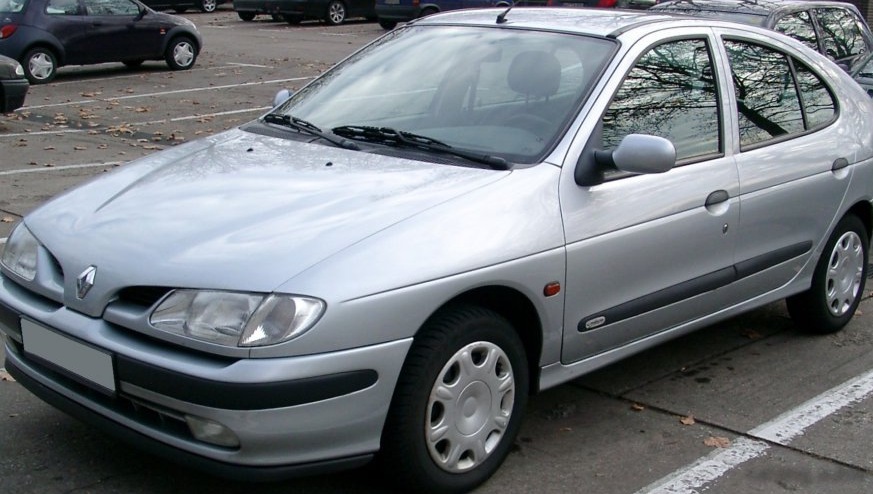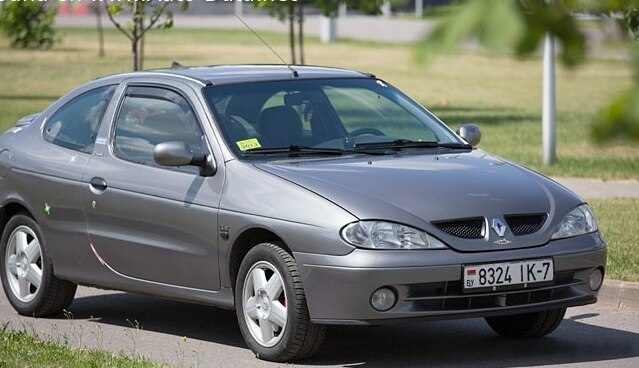
The Renault Megane I Coach (Phase II), produced from 1999 to 2002, represented a significant refresh of Renault’s compact offering. Within the Phase II range, the 1.6i 16V variant, producing 107 horsepower, occupied a middle ground in the lineup. Positioned above the base 1.4L engine and below the more potent 2.0L 16V and diesel options, it aimed to provide a balance of performance, fuel economy, and affordability for buyers seeking a stylish and practical coupe. This model was part of the broader Megane I series, built on the 1HX0/A3 platform, which also underpinned models from other Renault-Nissan alliance partners.
The 1.6i 16V Powertrain & Engine Architecture
The heart of the Megane I Coach 1.6i 16V is the K4M engine, a 1.6-liter (1598 cm3 or 97.52 cu. in.) inline four-cylinder gasoline engine. This engine is characterized by its all-aluminum construction, contributing to a relatively lightweight design. The ‘16V’ designation indicates a dual overhead camshaft (DOHC) valvetrain, with four valves per cylinder, enhancing volumetric efficiency and contributing to the engine’s power output. Fuel delivery is managed by a multi-port fuel injection system, providing precise fuel metering for optimal combustion.
The K4M engine boasts a bore of 79.5 mm (3.13 in.) and a stroke of 80.5 mm (3.17 in.), resulting in a compression ratio of 10:1. The engine produces a peak power output of 107 hp (79.8 kW) at 5750 rpm and a maximum torque of 148 Nm (109.16 lb-ft) at 3750 rpm. While not a high-performance engine, the K4M offered a respectable power-to-weight ratio for its time. The engine requires 4.4 liters (4.65 US qt | 3.87 UK qt) of engine oil and 7.9 liters (8.35 US qt | 6.95 UK qt) of coolant.
The 1.6i 16V was typically paired with a five-speed manual transmission, however, an optional four-speed automatic transmission was available. This automatic gearbox, while offering convenience, was known to slightly diminish acceleration and fuel economy compared to the manual counterpart. The automatic transmission’s gear ratios were geared towards fuel efficiency and smooth operation rather than outright performance.
Driving Characteristics
The driving experience in the Megane I Coach 1.6i 16V was generally considered comfortable and refined, particularly with the optional automatic transmission. Acceleration from 0 to 100 km/h (0-62 mph) took approximately 9.6 seconds, while the 0-60 mph sprint was calculated at 9.1 seconds. Top speed was rated at 198 km/h (123.03 mph). The engine provided adequate power for everyday driving, with sufficient torque for overtaking maneuvers. However, compared to the 2.0L 16V models, the 1.6L felt noticeably less responsive, especially when fully loaded or climbing hills. The automatic transmission, while smooth, lacked the responsiveness of a modern automatic and could sometimes feel hesitant during quick acceleration. The weight-to-power ratio of 9.9 kg/Hp and weight-to-torque ratio of 7.2 kg/Nm reflected the car’s moderate performance capabilities.
Equipment & Trim Levels
The Megane I Coach 1.6i 16V typically came equipped with a reasonable level of standard features for its price point. These included power steering, central locking, electric front windows, and an adjustable steering column. Interior upholstery was typically cloth, with a relatively simple dashboard layout. Air conditioning was often an optional extra, as were features like alloy wheels, a CD player, and upgraded interior trim. Safety features included ABS (Anti-lock Braking System), which was becoming increasingly common on European vehicles during this period. The Phase II models generally benefited from minor interior refinements compared to the earlier Phase I versions, with improved materials and a slightly more modern aesthetic.
Chassis & Braking
The Megane I Coach 1.6i 16V utilized an independent coil spring suspension at the front, providing a comfortable ride and decent handling characteristics. The rear suspension employed a torsion beam setup, which was a cost-effective solution that offered a reasonable balance of ride comfort and stability. The front brakes were ventilated discs, providing adequate stopping power, while the rear brakes were drums. This combination was typical for vehicles in this class and weight category at the time. Steering was rack and pinion with hydraulic assistance, offering a reasonably precise and responsive feel. The standard tire size was 185/60 R15 or 195/50 R16, depending on the trim level and optional wheel upgrades.
Market Reception & Comparison
The Renault Megane I Coach 1.6i 16V was generally well-received by automotive critics as a practical and stylish coupe. It was praised for its comfortable ride, decent fuel economy (7 l/100 km combined – 33.6 US mpg, 40.4 UK mpg, 14.3 km/l), and attractive design. However, it was often criticized for its somewhat lackluster performance compared to its more powerful siblings, particularly the 2.0L 16V models. The automatic transmission, while convenient, was seen as detracting from the driving experience. Compared to competitors like the Peugeot 306 Coupe or the Volkswagen Golf, the Megane offered a compelling package, particularly in terms of styling and value for money. The 1.6L engine offered a good compromise between performance and running costs, making it a popular choice for drivers who prioritized fuel efficiency and affordability.
Technical Specifications
| Brand | Renault |
| Model | Megane |
| Generation | Megane I Coach (Phase II, 1999) |
| Type (Engine) | 1.6i 16V (107 Hp) |
| Start of production | 1999 year |
| End of production | 2002 year |
| Powertrain Architecture | Internal Combustion engine |
| Body type | Coupe |
| Seats | 4 |
| Doors | 2 |
| Fuel consumption (urban) | 9.3 l/100 km (25.3 US mpg, 30.4 UK mpg, 10.8 km/l) |
| Fuel consumption (extra urban) | 5.6 l/100 km (42 US mpg, 50.4 UK mpg, 17.9 km/l) |
| Fuel consumption (combined) | 7 l/100 km (33.6 US mpg, 40.4 UK mpg, 14.3 km/l) |
| CO2 emissions | 162 g/km |
| Fuel Type | Petrol (Gasoline) |
| Acceleration 0 – 100 km/h | 9.6 sec |
| Acceleration 0 – 62 mph | 9.6 sec |
| Acceleration 0 – 60 mph | 9.1 sec |
| Maximum speed | 198 km/h (123.03 mph) |
| Weight-to-power ratio | 9.9 kg/Hp |
| Weight-to-torque ratio | 7.2 kg/Nm |
| Power | 107 Hp @ 5750 rpm |
| Torque | 148 Nm @ 3750 rpm (109.16 lb.-ft. @ 3750 rpm) |
| Engine layout | Front, Transverse |
| Engine Model/Code | K4M |
| Engine displacement | 1598 cm3 (97.52 cu. in.) |
| Number of cylinders | 4 |
| Engine configuration | Inline |
| Cylinder Bore | 79.5 mm (3.13 in.) |
| Piston Stroke | 80.5 mm (3.17 in.) |
| Compression ratio | 10:1 |
| Number of valves per cylinder | 4 |
| Fuel injection system | Multi-port manifold injection |
| Engine aspiration | Naturally aspirated |
| Valvetrain | DOHC |
| Engine oil capacity | 4.4 l (4.65 US qt | 3.87 UK qt) |
| Coolant | 7.9 l (8.35 US qt | 6.95 UK qt) |
| Kerb Weight | 1060 kg (2336.9 lbs.) |
| Max. weight | 1505 kg (3317.96 lbs.) |
| Max load | 445 kg (981.06 lbs.) |
| Trunk (boot) space – minimum | 288 l (10.17 cu. ft.) |
| Fuel tank capacity | 60 l (15.85 US gal | 13.2 UK gal) |
| Length | 3967 mm (156.18 in.) |
| Width | 1698 mm (66.85 in.) |
| Height | 1366 mm (53.78 in.) |
| Wheelbase | 2468 mm (97.17 in.) |
Legacy
The Renault Megane I Coach 1.6i 16V, while not a particularly rare or sought-after classic, remains a relatively affordable and reliable option in the used car market. The K4M engine is known for its durability and relatively simple maintenance requirements. However, as with any vehicle of this age, potential buyers should be aware of common issues such as corrosion, worn suspension components, and potential problems with the automatic transmission. The 1.6L engine, when properly maintained, can provide many years of reliable service. Today, these cars are often appreciated for their retro styling and offer a nostalgic driving experience for those seeking a classic European coupe.